






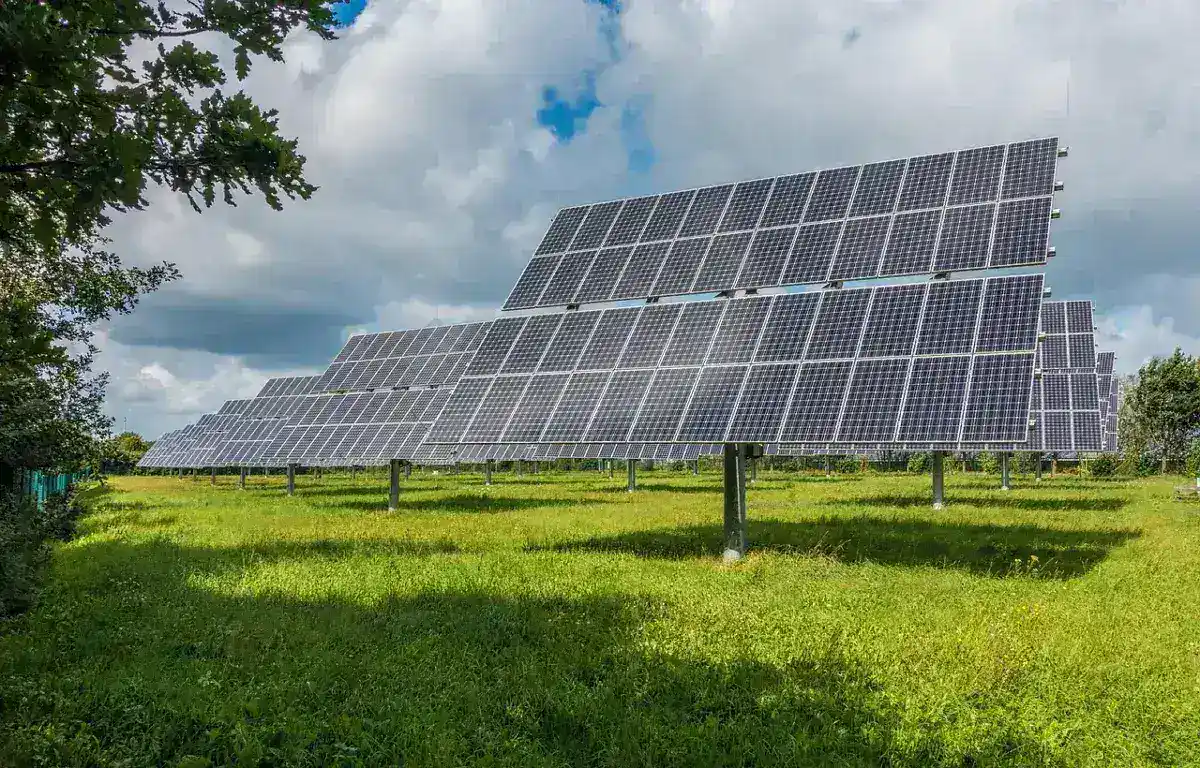
India successfully navigated a critical surge in electricity demand on April 25 by deploying a strategic combination of rapidly expanding solar capacity and its traditional coal-fired fleet. As the nation grapples with an intense summer season intensified by El Niño weather patterns, solar installations accounted for 21.5% of the total power generated during the peak period, while coal-fired plants provided the essential base load at 66.9%. This dual-track approach highlights the government’s efforts to ensure grid stability while transitioning toward a more diversified energy portfolio amid rising temperatures.
The Context of India’s Energy Transition
India’s energy infrastructure is currently undergoing one of the world’s most significant transformations as it seeks to balance rapid industrial growth with international climate commitments. The Ministry of Power has set ambitious targets to reach 500 GW of non-fossil fuel capacity by 2030, a goal that requires a massive scaling of solar and wind infrastructure. However, the immediate reality of India’s energy security remains tied to the seasonal volatility of its climate, particularly during the pre-monsoon months when heatwaves drive air conditioning usage to record levels.
Historically, the Indian power grid has faced immense pressure during April and May, as agricultural demand for irrigation coincides with a spike in residential and commercial cooling. In recent years, the government has implemented a multi-pronged strategy to prevent blackouts, including the mandatory operation of imported coal-based plants and the optimization of the national railway network to ensure consistent fuel supply to inland thermal stations.
The April Peak: A Breakdown of the Energy Mix
The performance of the grid on April 25 serves as a benchmark for the current state of India’s energy resilience. The peak demand, which traditionally occurred in the late evening, is increasingly shifting toward the afternoon hours when solar generation is at its maximum. This shift has allowed the Central Electricity Authority (CEA) to leverage the 82 GW of installed solar capacity to take the pressure off thermal plants during the hottest parts of the day.
While solar energy provided more than a fifth of the peak requirement, the heavy lifting was performed by the nation’s coal sector. Generating 66.9% of the power, coal remains the indispensable anchor of the Indian grid. To prepare for this summer, the Ministry of Power invoked Section 11 of the Electricity Act, which mandates that all imported coal-based power plants operate at full capacity. This move was designed to ensure that domestic coal stocks are preserved for plants located further away from coastal ports.
The El Niño Factor and Hydroelectric Constraints
The current energy strategy is heavily influenced by the prevailing El Niño phenomenon, which has historically led to drier-than-average conditions in the Indian subcontinent. This climatic trend has a two-fold impact on the energy sector: it increases the frequency and intensity of heatwaves, and it significantly reduces the output from hydroelectric projects due to lower reservoir levels. With hydroelectricity contributing a smaller share to the total mix this year, the reliance on coal and solar has become even more pronounced.
Data from the India Meteorological Department (IMD) suggests that the number of heatwave days in 2024 is likely to be above normal, particularly in the central and northwestern regions. This forecast prompted grid operators to maximize generation from gas-based power plants and to delay planned maintenance schedules for major thermal units. The integration of solar power during the day has allowed these thermal units to ramp down slightly during sunlight hours, preserving equipment longevity and fuel for the evening peak when solar output drops to zero.
Infrastructure and Logistical Coordination
Meeting a peak demand that exceeds 240 GW requires more than just generation; it demands a sophisticated logistical operation. The Indian Railways have prioritized the movement of coal rakes to power plants, creating dedicated corridors to avoid bottlenecks. Furthermore, the government has encouraged states to utilize the ‘surplus’ power available on the national exchange, ensuring that regions with lower demand can support those experiencing extreme heat.
Expert perspectives suggest that the current success is a result of better forecasting and the implementation of the High Price Day Ahead Market (HP-DAM). This mechanism allows generators using expensive fuels, such as Re-gasified Liquefied Natural Gas (RLNG) or imported coal, to sell power at higher rates during periods of extreme scarcity, ensuring that no capacity remains idle due to financial unviability.
Long-term Implications for the Industry
The reliance on a solar-coal hybrid model underscores the ongoing challenge of energy storage in India. While solar capacity is growing at an exponential rate, the lack of large-scale Battery Energy Storage Systems (BESS) or pumped hydro storage means that coal must still fill the gap when the sun sets. For the industry, this means continued investment in thermal efficiency and carbon capture technologies will likely run parallel to renewable expansion for at least another decade.
Investors and stakeholders are closely monitoring the government’s upcoming tenders for storage solutions. The ability to shift solar energy from the afternoon to the evening peak is seen as the “holy grail” of India’s energy independence. Until storage becomes economically and technically viable at a national scale, the synergy between the green energy of the future and the fossil fuels of the past will remain the defining characteristic of India’s power sector.
Looking ahead, the focus will shift toward the monsoon’s arrival, which traditionally brings relief from the heat but introduces new challenges for coal mining and logistics. Observers should watch for the Ministry of Power’s updates on coal stock levels at pithead plants and the progress of the Green Energy Corridor Phase II, which aims to improve the transmission of renewable power across state lines. The performance of the grid in the coming weeks will determine if India can sustain this balance without resorting to load shedding in high-demand industrial hubs.