





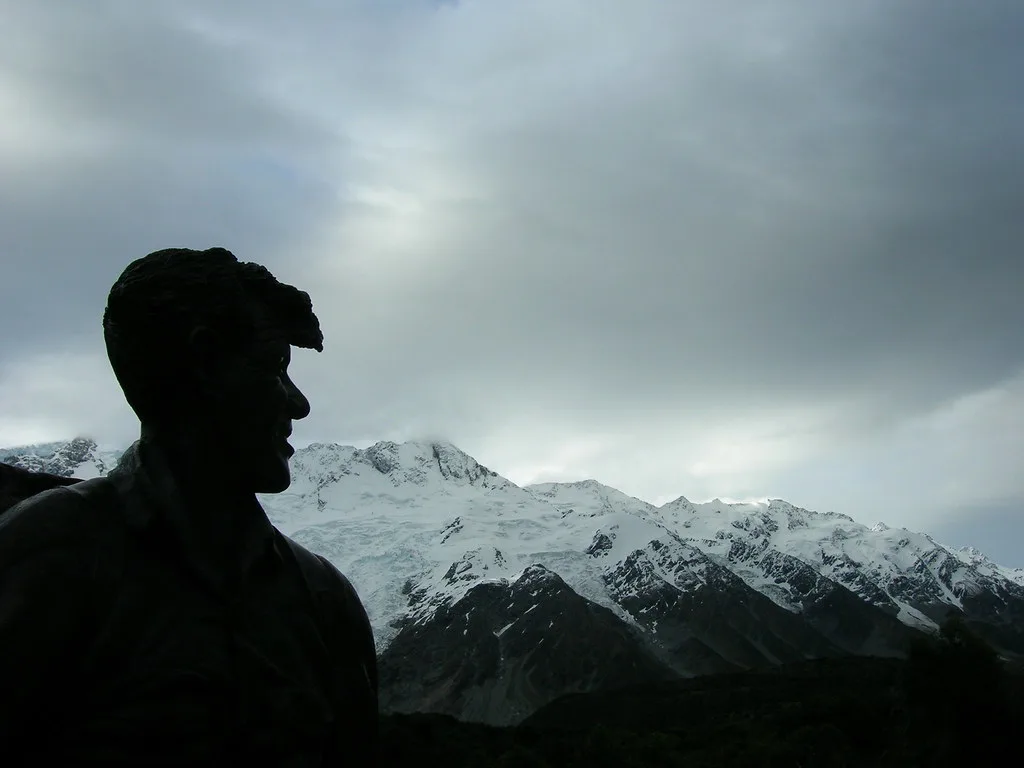
British mountaineer Kenton Cool successfully reached the summit of Mount Everest for the 20th time this week, setting a new record for the most ascents of the world’s highest peak by a non-Sherpa guide. This historic climb, conducted in the Himalayas, reinforces Cool’s status as a preeminent figure in high-altitude mountaineering and marks his latest achievement in a career spanning over two decades.
The Evolution of Everest Mountaineering
Mount Everest, standing at 8,848 meters, has long served as the ultimate proving ground for professional climbers. Historically, the record books for most summits have been dominated by Sherpa guides, who possess unparalleled expertise in navigating the treacherous Khumbu Icefall and the Death Zone.
Cool’s achievement highlights a significant shift in the demographic of elite high-altitude guides. While Sherpa climbers like Kami Rita Sherpa hold the absolute record with over 30 summits, Cool’s 20 ascents represent a unique milestone for international climbers operating within the commercial expedition industry.
A Career Defined by Endurance
Cool first summited Everest in 2004 and has returned to the peak almost annually since. His 20th ascent was not merely a personal victory but a testament to the rigorous physical and mental conditioning required to operate at extreme altitudes.
Data from the Himalayan Database, which tracks expeditions in the region, indicates that the physical toll of repeated summit attempts is significant. However, Cool has maintained a consistent safety record, often serving as a lead guide for high-profile clients while managing the logistical complexities of Himalayan logistics.
Industry Impact and Safety Standards
The rise of commercial mountaineering has brought increased scrutiny to Everest, particularly regarding overcrowding and the environmental impact on the mountain. As a veteran guide, Cool has often advocated for better training and stricter adherence to safety protocols among expedition operators.
Industry analysts suggest that Cool’s continued success influences how commercial expeditions are structured. His ability to navigate the mountain consistently suggests that experience and strategic planning remain the most critical factors in mitigating the inherent risks of high-altitude climbing.
Looking Toward the Future
Despite reaching the 20-summit milestone, Cool has publicly stated that he is not yet prepared to retire from climbing. His future plans involve balancing professional guiding duties with personal exploration, potentially targeting other 8,000-meter peaks.
The mountaineering community now looks toward the next season, monitoring whether Cool will continue to push the boundaries of what is possible for non-Sherpa climbers. Observers will also be watching for how the industry adapts to the increasing demand for Everest expeditions and whether the record-setting pace of ascents continues to accelerate in the coming years.