




The Incident on Denali
Search and rescue teams from Denali National Park and Preserve are currently coordinating a high-stakes mission to reach four climbers who fell on Mount McKinley, Alaska, after receiving distress reports overnight. Rangers are closely monitoring local weather patterns, waiting for a viable window to deploy helicopters to the high-altitude site where the climbers remain stranded.
The condition of the individuals remains unknown as officials prioritize the logistical challenges of reaching the remote, treacherous terrain. The fall occurred on a peak historically known for its extreme environmental hazards and unpredictable meteorological shifts.
Context of Alaskan Mountaineering
Mount McKinley, officially designated as Denali, stands as the tallest peak in North America, reaching an elevation of 20,310 feet. The mountain is world-renowned among high-altitude climbers, yet its extreme weather, frigid temperatures, and steep, icy slopes present significant risks even to experienced mountaineers.
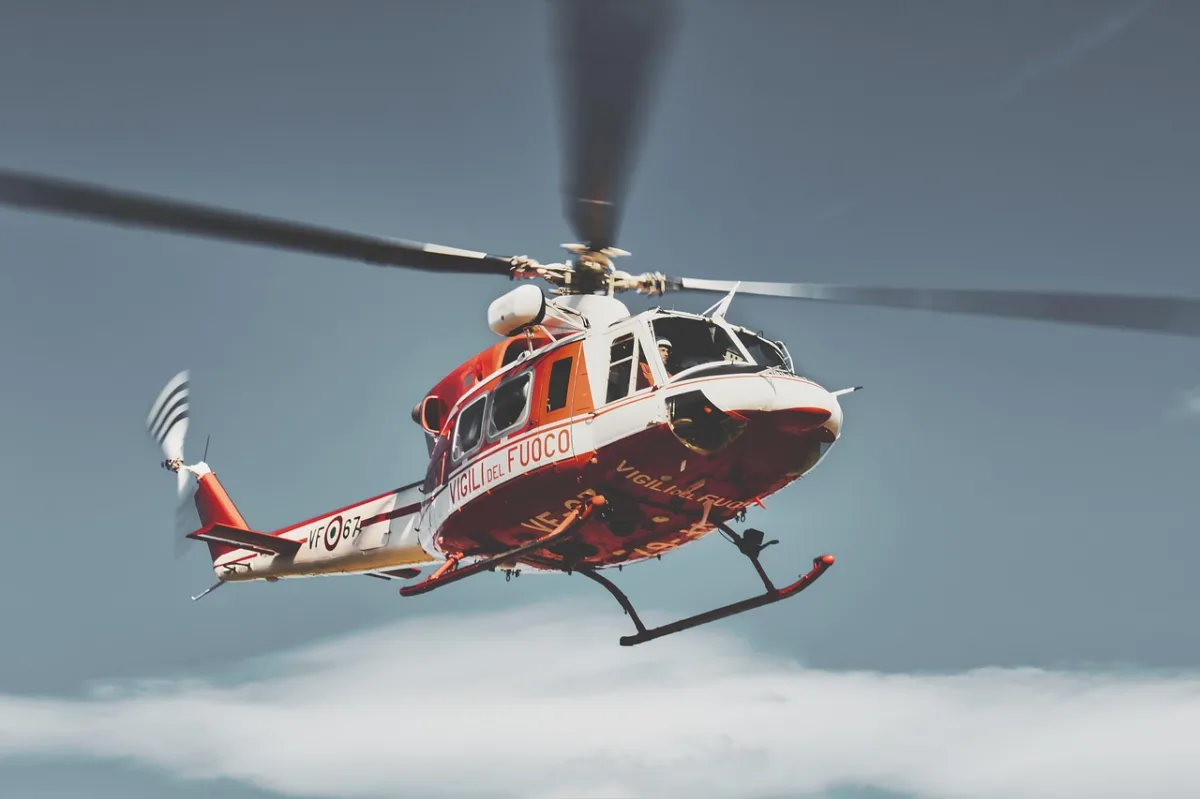
Denali National Park rangers typically manage several emergency responses each climbing season. These operations often involve complex coordination between ground teams and specialized aviation support, as the thin air and high-altitude winds limit the operational capacity of standard rescue aircraft.
The Logistics of High-Altitude Rescue
The success of the current operation hinges entirely on the narrow margin of safety provided by the Alaskan weather. When clouds descend or wind speeds exceed safety thresholds, flight operations must be grounded, leaving rescue teams to wait until conditions improve.
According to data from the National Park Service, rescues on Denali often require long-line extraction techniques. These maneuvers allow rangers to pull climbers from steep faces where landing a helicopter is physically impossible. The technical difficulty of these rescues is compounded by the physiological toll of the mountain’s altitude on both the victims and the rescuers.
Expert Perspectives on Mountain Safety
Industry experts emphasize that climbing Denali requires significant preparation, including specialized training for crevasse rescue and extreme cold survival. While accidents are an inherent risk in mountaineering, the frequency of incidents often spikes during the peak climbing season in May and June.
“The environment on Denali is unforgiving, and even a minor lapse in safety can lead to catastrophic consequences,” noted one veteran mountaineering guide familiar with the region. “Rescuers are constantly balancing their own safety against the urgency of the mission, especially when the weather is deteriorating.”
Future Implications for Mountaineering
The ongoing incident serves as a stark reminder of the volatile nature of high-altitude exploration. As the rescue effort continues, the mountaineering community is watching closely for updates on the climbers’ status and the effectiveness of the current rescue strategy.
Looking ahead, industry leaders anticipate increased scrutiny regarding safety protocols and permit requirements for climbers attempting to summit the peak. Future technological advancements in satellite communication and portable medical monitoring may eventually change how teams respond to emergencies, but for now, the physical limitations of the mountain remain the primary obstacle to survival.