



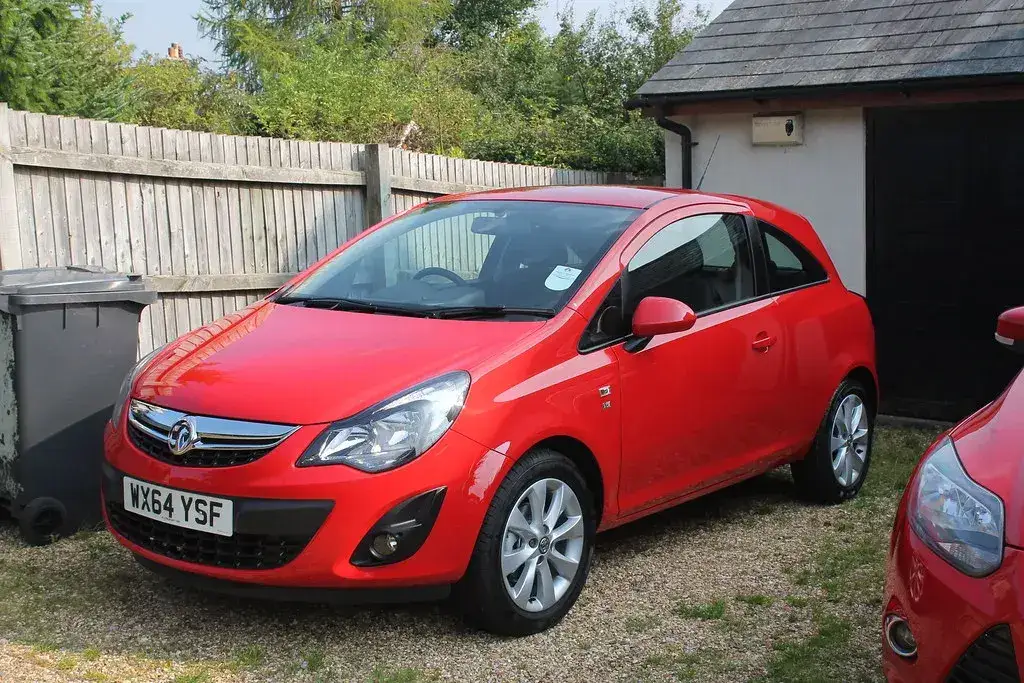
Tata Motors has launched a strategic offensive to reclaim its dominance in the competitive hatchback segment by revitalizing its Tiago model range. The company announced this week that the updated vehicle is now available across petrol, iCNG, and electric powertrains, with aggressive pricing starting at ₹4.69 lakh for the internal combustion engine (ICE) version and ₹6.99 lakh for the electric variant.
Contextualizing the Hatchback Shift
The Indian automotive market has seen a distinct shift toward compact SUVs in recent years, placing traditional hatchbacks under significant pressure. Despite this trend, entry-level vehicles remain the primary gateway for first-time car buyers, making the hatchback segment a critical volume driver for legacy manufacturers.
Tata Motors has historically relied on the Tiago to capture this entry-level demographic. By offering a unified platform that supports multiple fuel types, the company aims to simplify manufacturing while providing consumers with unprecedented flexibility in an era of fluctuating fuel prices.
Multi-Powertrain Strategy
The decision to offer a comprehensive range of powertrains reflects Tata’s broader electrification goals. By integrating the electric version directly into the Tiago lineup alongside traditional ICE and iCNG options, the brand is effectively lowering the barrier to entry for EV adoption.
Data from the Society of Indian Automobile Manufacturers (SIAM) indicates that while SUV growth is outpacing other segments, the demand for fuel-efficient, budget-friendly hatchbacks remains resilient in tier-2 and tier-3 cities. Tata’s move to price the ICE variant at ₹4.69 lakh is a direct challenge to competitors currently dominating the sub-₹5 lakh market.
Expert Perspectives
Industry analysts suggest that Tata’s strategy is designed to insulate the company from future policy shifts regarding emissions. “By providing an iCNG option, Tata is appealing to cost-conscious commuters who prioritize running costs, while the EV variant captures the early-adopter segment,” noted an industry consultant.
Furthermore, the shared architecture across these models allows Tata to maintain economies of scale. This strategy reduces overhead costs, enabling the company to maintain aggressive price points even as manufacturing costs for battery technology remain high.
Future Market Implications
For the average consumer, this diversification means that the choice between an electric vehicle and a traditional car is no longer a matter of separate car lines, but a matter of engine selection. This convergence is expected to accelerate the transition to electric mobility in urban environments.
Moving forward, market watchers should monitor how competitors respond to this tiered pricing structure. If Tata succeeds in converting a significant portion of its ICE buyers to the electric Tiago, it will likely trigger a price war among other manufacturers, potentially leading to lower EV costs across the entire Indian automotive industry by the end of the next fiscal year.