




Syrian authorities conducted follow-up parliamentary elections this Sunday in the Kurdish-majority province of Hassakeh and the town of Kobani, marking a significant step in the government’s efforts to reassert administrative control over territories previously held by autonomous forces. The voting process, which took place in areas reintegrated into state authority following localized clashes in January, aims to complete the legislative cycle across the nation.
Context of the Regional Shift
The elections follow a broader national parliamentary vote held earlier, which was delayed in these specific northern districts due to ongoing security concerns and political instability. For years, these regions operated under a semi-autonomous administration, largely independent of the central government in Damascus, following the withdrawal of state security forces during the early stages of the Syrian conflict.
The reintegration of these areas represents a complex shift in the regional power balance. By facilitating these elections, the Syrian government seeks to demonstrate the restoration of state sovereignty and the normalization of administrative services in the northeast.
Logistics and Voter Participation
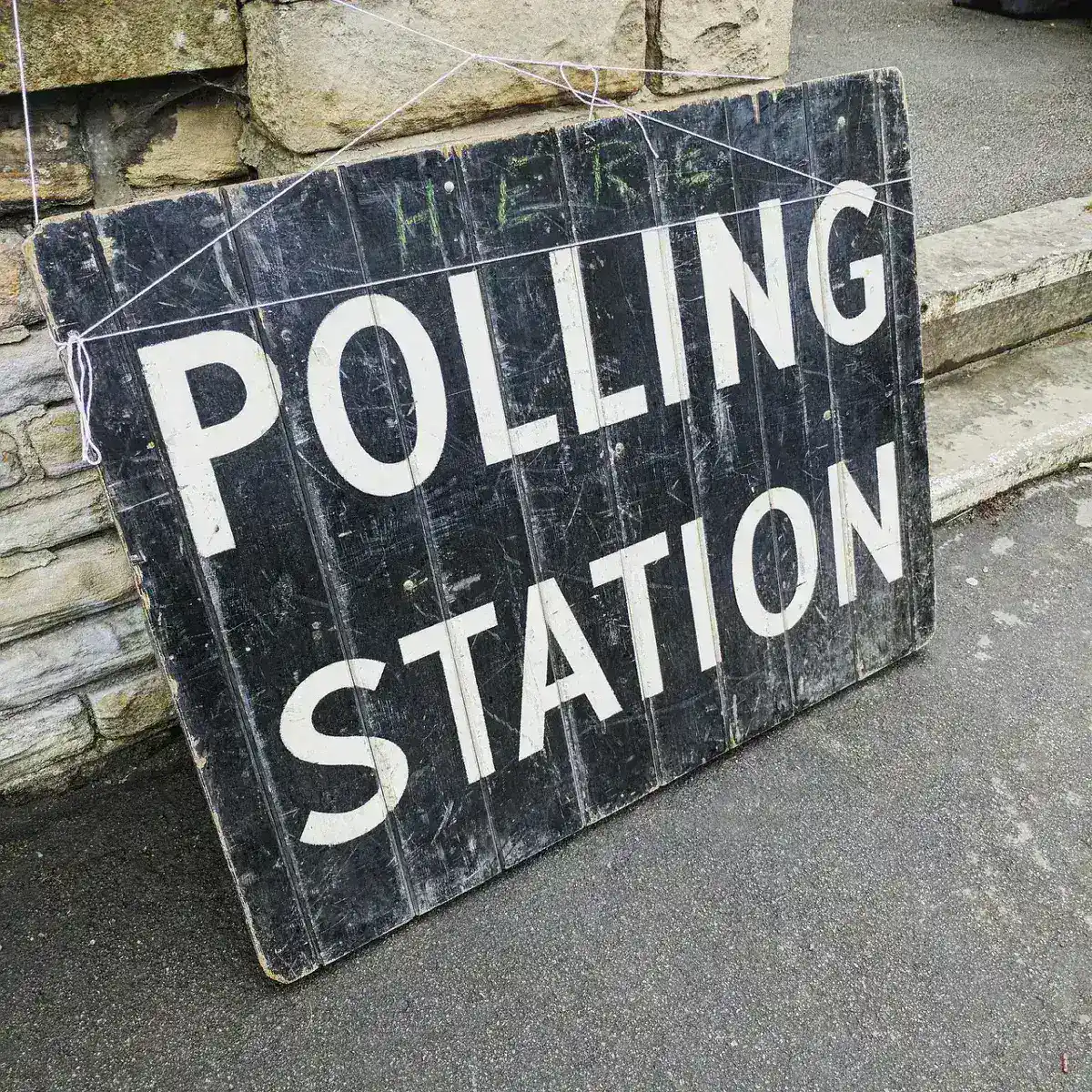
State-run media outlets reported that polling stations opened early Sunday morning under heightened security measures. Officials described the event as a vital move to ensure that residents in Hassakeh and Kobani are represented in the national legislative body.
However, the move remains contentious. International observers and local Kurdish representatives have raised questions regarding the inclusivity of the electoral process. Critics point to the centralized nature of the candidate vetting process, which is managed exclusively by the Damascus-based government, as a barrier to authentic local representation.
Expert Perspectives and Data
Analysts monitoring the region suggest that the government’s push for elections is part of a broader strategy to solidify administrative presence without relying solely on military force. According to political risk reports, the Syrian government is currently prioritizing the return of civil institutions such as schools, municipal offices, and voting centers to secure long-term political legitimacy.
Data from the Syrian electoral commission indicates that thousands of citizens were registered to vote across the designated districts. Despite these figures, independent verification of turnout remains difficult due to the restricted access for international election monitors in these volatile zones.
Implications for the Future
For the residents of Hassakeh and Kobani, the transition to government-led administration brings immediate changes to daily life, including the implementation of national regulations and the potential resumption of state-subsidized services. Economically, the integration could stabilize trade routes, though it also raises concerns about the future of local governance models that functioned during the period of autonomy.
Observers are now watching for how the central government will manage the integration of local political factions into the national framework. The coming months will be critical in determining whether these elections lead to genuine political stability or if they will exacerbate underlying tensions between Damascus and the diverse communities of the northeast. The international community remains focused on whether this electoral process will be recognized as a legitimate step toward a broader, inclusive national reconciliation.