




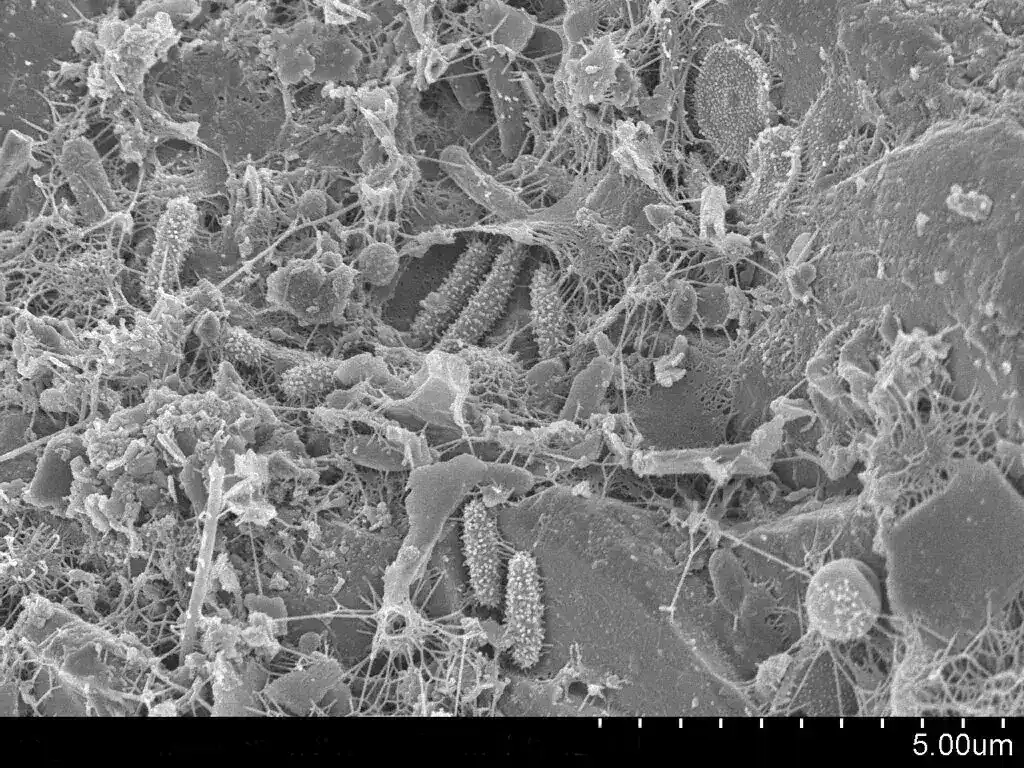
The Current Status of Hantavirus Monitoring
Public health officials in North America are currently monitoring localized clusters of Hantavirus Pulmonary Syndrome (HPS), a rare but severe respiratory disease transmitted primarily through contact with infected rodent waste. While recent reports have sparked widespread digital discourse, the Centers for Disease Control and Prevention (CDC) confirms that there is no evidence of a widespread outbreak or human-to-human transmission, distinguishing this threat fundamentally from the viral spread of COVID-19.
Understanding the Pathogen and Transmission
Hantavirus is a zoonotic disease, meaning it is spread from animals to humans, rather than between individuals. The virus is primarily carried by specific species of rodents, such as the deer mouse, which shed the virus through urine, droppings, and saliva. When these materials dry, the virus can become aerosolized and inhaled by humans, particularly during the cleaning of enclosed, dusty spaces like sheds, cabins, or crawlspaces.
Public Health Context and Historical Data
HPS was first identified in the Four Corners region of the United States in 1993, leading to rigorous public health surveillance programs. According to the CDC, the mortality rate for HPS remains high, often cited near 36%, though cases occur sporadically rather than in large-scale waves. Unlike the SARS-CoV-2 virus, which evolved to exploit human respiratory systems for efficient transmission, Hantavirus remains a “dead-end” infection for humans, who do not transmit the pathogen to others.
Analyzing the Comparison to COVID-19
The recent comparisons to the COVID-19 pandemic have been largely dismissed by infectious disease experts as medically inaccurate. Epidemiologists emphasize that the reproductive number (R0) for Hantavirus is effectively zero in human populations. The panic surrounding the current reports stems from a heightened sensitivity to respiratory outbreaks following the global pandemic, rather than a shift in the virus’s biological behavior.
Preventative Measures and Industry Guidance
For the general public, the primary defense remains environmental management. Public health guidelines recommend sealing homes against rodent entry, using wet-cleaning methods to avoid kicking up dust in infested areas, and wearing personal protective equipment when working in high-risk environments. These measures significantly mitigate the risk of exposure, keeping the annual incidence rate extremely low despite the constant presence of the virus in rodent populations.
Future Implications for Public Health Surveillance
As climate patterns shift, researchers are observing changes in rodent population dynamics and distribution, which could potentially alter the geography of Hantavirus risk. Environmental health organizations are currently prioritizing the study of how habitat fragmentation and urban encroachment influence human-rodent interaction. Stakeholders should watch for updated climate-driven risk maps and continued public awareness campaigns aimed at rural and wilderness-adjacent residents, as these remain the most effective tools for preventing future cases.