





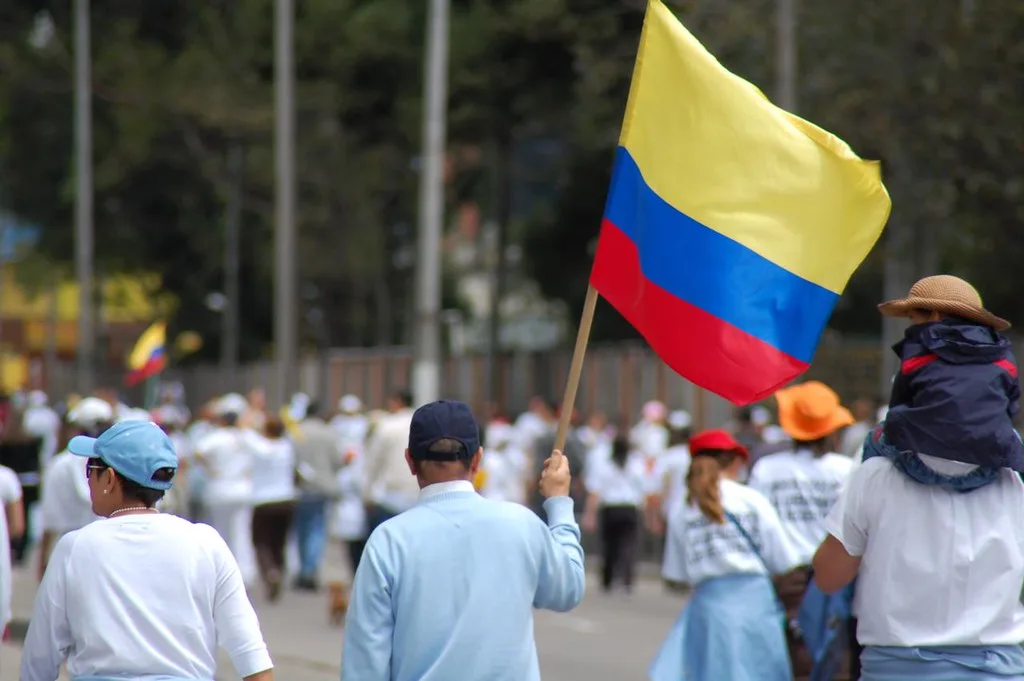
A Political Upset in Bogota
In a stunning disruption of Colombia’s political establishment, far-right outsider Abelardo de la Espriella secured a position in the upcoming presidential runoff on June 21, defying months of polling data that suggested a more traditional contest. De la Espriella will face off against prominent leftist senator Ivan Cepeda, setting the stage for a stark ideological collision that will determine the country’s trajectory for the next four years.
The Context of Change
Colombia has long been governed by traditional coalition parties, but recent years have seen a surge in voter dissatisfaction fueled by economic inequality and security concerns. The political climate has become increasingly polarized, with voters seeking radical shifts rather than incremental policy adjustments.
Historically, Colombian elections have favored established candidates with deep party infrastructure. However, the rise of digital campaigning and grassroots mobilization has begun to weaken the influence of traditional political machines.
Analyzing the Runoff Dynamic
De la Espriella’s rise represents a significant pivot toward nationalist rhetoric, focusing heavily on law and order and the protection of private enterprise. His campaign capitalized on voter anxieties regarding regional instability and economic inflation.
Conversely, Ivan Cepeda has built his platform on the promise of social justice, land reform, and the full implementation of the 2016 peace accords. Cepeda appeals to a coalition of progressives, labor unions, and rural communities who feel sidelined by the current economic model.
Political analysts note that the contrast between the two candidates is the sharpest the country has seen in decades. While the polls failed to predict the strength of the outsider movement, the final results indicate a deeply divided electorate.
Expert Perspectives
“The polling failure stems from a miscalculation of the ‘silent’ voter who has lost faith in traditional polling methodologies,” says Dr. Elena Rodriguez, a senior fellow at the Bogota Institute for Political Studies. “De la Espriella managed to tap into a visceral frustration that standard surveys simply did not capture.”
Data from the National Electoral Council shows that voter turnout reached record levels in the first round, suggesting that the ideological stakes have effectively mobilized previously disengaged citizens. This high turnout is expected to persist as both campaigns intensify their ground operations in the final weeks before the runoff.
Future Implications
The outcome of the June 21 election will have profound implications for Colombia’s foreign policy and its relationship with international trade partners. Investors are closely watching the rhetoric surrounding economic reforms, as the country faces pressure to balance fiscal responsibility with increasing demands for social spending.
Observers should watch for any shifts in coalition building as the candidates attempt to sway moderate voters who supported defeated candidates in the first round. The ability of either candidate to bridge the gap between their base and the undecided center will likely dictate the final result.