




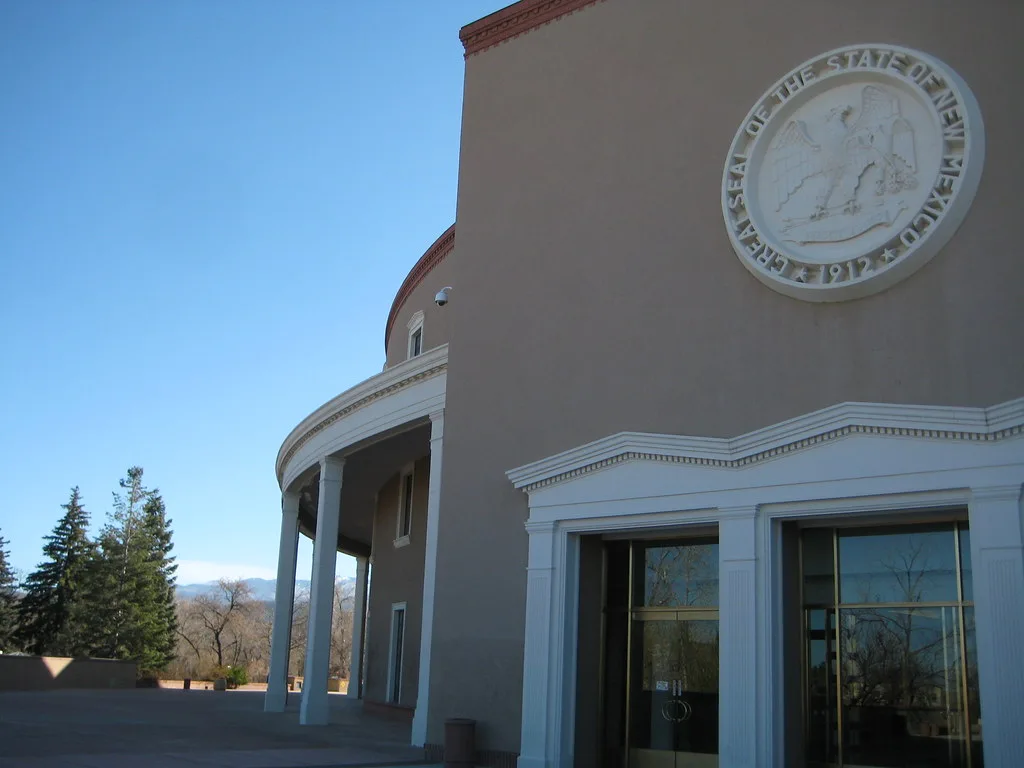
New Mexico state lawmakers announced this week that they are initiating a sweeping investigation into Jeffrey Epstein’s activities within the state, signaling a major push to uncover long-hidden details regarding his operations. Legislators confirmed they are issuing subpoenas to a wide array of government agencies and private institutions, marking the most significant legislative effort to date to map the financier’s presence in the region.
Context of the Investigation
Jeffrey Epstein, a convicted sex offender who died in a federal jail in 2019, maintained significant property holdings in New Mexico, most notably the Zorro Ranch near Stanley. For years, the ranch served as a focal point for rumors and allegations regarding the nature of his activities, yet official inquiries into his local influence remained limited.
This new legislative push seeks to pierce the veil of secrecy surrounding those years. Lawmakers aim to determine if state or local officials were aware of or facilitated Epstein’s conduct during his time as a property owner in the state.
Legislative Scope and Strategy
The decision to utilize subpoena power reflects a shift from passive observation to active fact-finding. By compelling the production of documents, committee members hope to trace financial transactions, property management records, and potential communications between Epstein’s associates and public entities.
The investigation is not limited to a single agency. Lawmakers are casting a wide net, targeting records from land use authorities, law enforcement files, and corporate entities linked to the financier’s estate. This multi-pronged approach is designed to circumvent the bureaucratic hurdles that have historically slowed investigations into Epstein’s affairs.
Expert Perspectives and Data
Legal analysts suggest that the use of subpoenas is a high-stakes maneuver that indicates the legislature’s intent to compel transparency. According to recent legislative briefings, the primary objective is to establish a verified timeline of Epstein’s interactions with local infrastructure and government oversight bodies.
Data points regarding the Zorro Ranch suggest that Epstein invested millions into the property, raising questions about how such extensive development projects were monitored by local zoning and regulatory boards. Experts note that if the subpoenaed documents reveal any form of regulatory capture or preferential treatment, it could lead to significant reforms in how New Mexico handles private property investigations for high-profile figures.
Industry and Public Implications
For the public, this investigation represents a long-awaited attempt to address the legacy of Epstein’s operations in New Mexico. Many residents have expressed frustration over the years regarding the lack of accountability and the perceived insulation of the ranch from local oversight.
For government institutions, the implications are profound. If the documents reveal systemic failures or corruption, agencies could face intense pressure to overhaul their internal reporting mechanisms and oversight protocols. The precedent set by this investigation could also force other states to re-examine their own interactions with controversial figures who leverage real estate to gain local influence.
Moving forward, observers should watch for the initial responses from the subpoenaed institutions, as any attempt to quash these requests could trigger protracted legal battles in the state courts. The release of these documents is expected to occur in stages over the coming months, likely providing the clearest picture yet of the intersection between Epstein’s private network and public administration in New Mexico.