




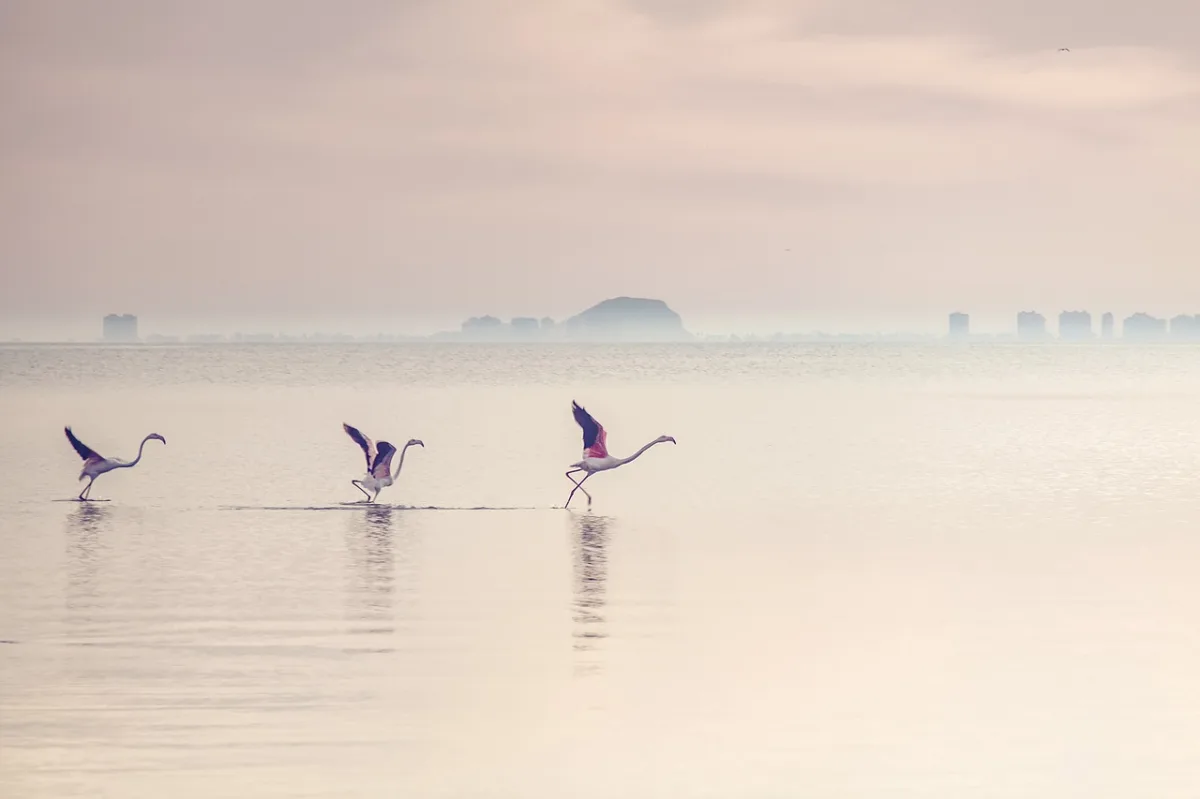
A remarkable ecological comeback is unfolding in the Venetian lagoon, where record numbers of greater flamingos, known locally as fenicotteri, have established a thriving presence throughout 2024. This surge in population follows years of intensive wetland restoration efforts by local environmental agencies aimed at reversing decades of industrial degradation and habitat loss. As these pale pink birds congregate in unprecedented concentrations, scientists suggest that the continued rehabilitation of these coastal ecosystems could soon encourage the species to transition from seasonal visitors to permanent residents, potentially marking the first successful nesting colonies in the region’s modern history.
The Restoration of a Fragile Ecosystem
The Venetian lagoon has long faced environmental challenges, ranging from rising sea levels to the impacts of heavy maritime traffic and industrial runoff. Historically, these factors contributed to the erosion of salt marshes and the destruction of the shallow, nutrient-rich pools that flamingos require to feed and rest.
In response, regional authorities and conservation groups initiated a series of projects focused on re-establishing sediment flows and protecting vulnerable mudflats. By blocking off specific areas to human activity and dredging channels to encourage natural water circulation, these efforts have created an ideal sanctuary for migratory birds.
Changing Patterns in European Avian Migration
Ornithologists tracking the flamingos note that the birds are increasingly utilizing Northern Italy as a vital stopover on their migration paths between North Africa and the Mediterranean coast. While flamingos were once rare sights in the Venetian basin, climate shifts and improved habitat quality have altered their traditional behavior.
Data from the Italian Institute for Environmental Protection and Research (ISPRA) indicates that the population density in protected areas of the lagoon has increased by over 40% in the last five years. Experts attribute this growth to the abundance of Artemia salina, a small crustacean that thrives in the restored saline marshes and provides the essential carotenoids responsible for the birds’ vibrant plumage.
The Intersection of Tourism and Conservation
The presence of large flocks has sparked both excitement and concern among local stakeholders. While the birds serve as a visual indicator of a healthier lagoon, their arrival necessitates stringent management of tourist boat traffic.
Conservationists are currently working with local government bodies to implement strict ‘no-go’ zones during peak feeding times. These measures aim to prevent the disturbance of the birds, ensuring that the fragile balance between human activity and wildlife preservation remains intact.
Looking Toward a Sustainable Future
The ultimate goal for ecologists is to observe the first successful flamingo nesting event within the lagoon, a milestone that would solidify the success of the restoration project. Such an event would serve as a global benchmark for how urban-adjacent wetlands can be reclaimed for biodiversity.
Moving forward, researchers will continue to monitor the water quality and sediment levels to ensure the habitat remains viable for long-term colonization. Observers should keep a close watch on the upcoming spring breeding season, as the presence of courtship displays among the current flocks may signal that the lagoon is ready to support a new generation of Venetian flamingos.