



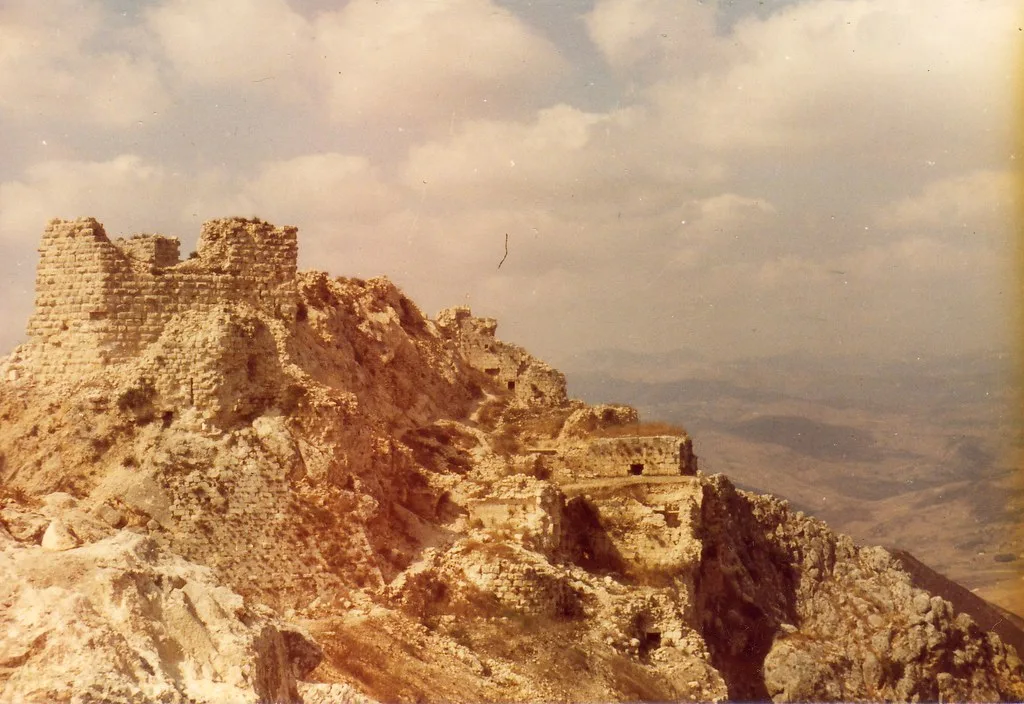
Israeli ground forces seized control of the historic Beaufort Castle in southern Lebanon on Wednesday, marking the deepest military incursion into the country by the Israel Defense Forces (IDF) in 26 years. The operation, which follows days of sustained airstrikes and intense ground combat in nearby villages, signals a significant escalation in the ongoing conflict between Israel and Hezbollah militants.
A Strategic Stronghold
Beaufort Castle, a Crusader-era fortress perched high above the Litani River, has long served as a symbolic and tactical vantage point in the region. Its elevation provides clear lines of sight over much of southern Lebanon, making it a prized objective for any military force operating in the area.
The IDF confirmed that the capture of the fortress followed a concerted effort to neutralize Hezbollah defensive positions in surrounding towns. Artillery fire and aerial bombardment preceded the infantry advance, aimed at clearing entrenched militants from the rugged terrain.
Historical and Tactical Context
The site carries profound historical weight, having been a central point of friction during the 1982 Lebanon War and the subsequent 18-year Israeli occupation of southern Lebanon. For decades, the fortress was synonymous with the conflict, serving as a lookout for both Israeli forces and Hezbollah fighters at different intervals.
Military analysts note that the current operation reflects a shift in Israeli tactical doctrine, prioritizing the dismantling of Hezbollah’s forward-operating infrastructure. By taking the high ground, the IDF seeks to disrupt the militant group’s ability to coordinate long-range rocket fire into northern Israeli communities.
Escalating Regional Tensions
The intensity of the fighting in Nabatiyeh and surrounding areas has forced thousands of residents to flee toward northern Lebanon. International aid organizations have expressed concern over the rising civilian toll, as the conflict moves away from border skirmishes and into more densely populated areas.
Data from local security sources indicates that Hezbollah has responded to the incursion with a barrage of anti-tank missiles and mortar fire. While the group maintains a network of tunnels and bunkers, the loss of a strategic position like Beaufort Castle represents a tactical setback for their defensive posture.
Implications for the Conflict
For the defense industry and regional observers, this operation demonstrates the IDF’s willingness to deploy significant ground assets into previously avoided territory. The expansion of the operational theater suggests that Israel is prepared to accept higher risks to achieve its stated goal of securing its northern border.
Looking ahead, the focus remains on whether this incursion will lead to a temporary buffer zone or a more protracted occupation. Observers are closely monitoring whether Hezbollah will attempt a counter-offensive to retake the fortress or if the group will pivot to asymmetric warfare tactics in the coming weeks. The trajectory of the conflict will likely depend on the durability of supply lines and the effectiveness of international diplomatic pressure to establish a ceasefire.