



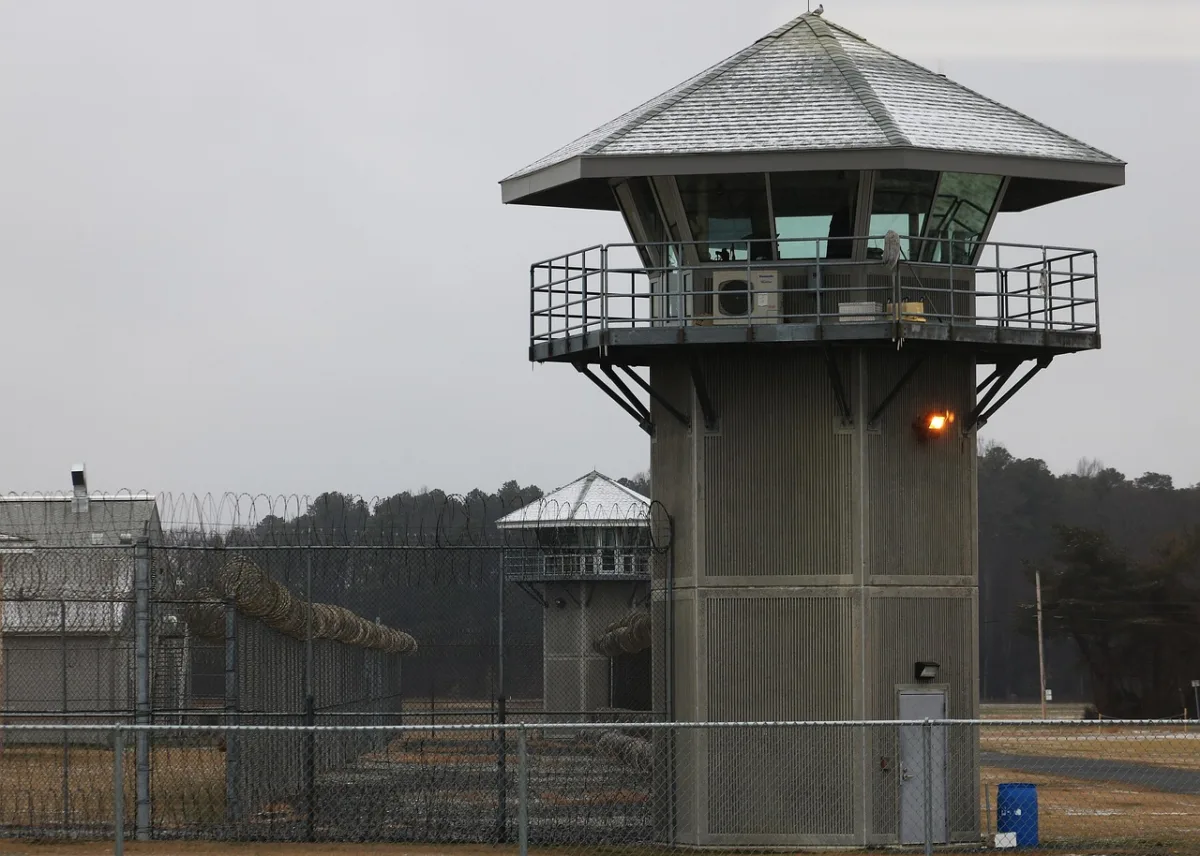
Dozens of protesters were arrested on Monday as clashes intensified at Delaney Hall, a Newark-based immigration detention center, following a week of hunger strikes and labor protests. The demonstrations reached a boiling point after New Jersey Governor Mikie Sherrill authorized the deployment of state police to the facility, a move that activists and local community groups have decried as an escalation of state-sanctioned violence.
The Context of the Delaney Hall Conflict
The unrest at Delaney Hall began over a week ago, triggered by reports of poor conditions within the detention center. Detainees initiated hunger strikes and labor walkouts to protest alleged mistreatment and the lack of transparency regarding their legal status. The facility, which serves as a site for federal immigration enforcement, has become a focal point for national debates over the role of state authorities in federal immigration matters.
Conflicting Narratives on Escalation
The atmosphere in Newark remains volatile as protesters and state officials present starkly different accounts of the events. Governor Sherrill and Attorney General Jennifer Davenport have publicly characterized the demonstrations as violent, justifying the police response as necessary to maintain public safety and facility security. Conversely, advocacy groups, including local chapters of Indivisible, argue that the state police acted as aggressors against peaceful demonstrators.
Outside the state legislature in Trenton on Monday, protesters gathered to condemn the administration’s decision. Demonstrators held signs labeling the facility a “concentration camp” and directly challenged the Governor’s official narrative. The presence of these groups signals a growing divide between grassroots organizations and state leadership regarding how New Jersey should manage ICE-related facilities within its borders.
Expert Perspectives and Data Points
Legal observers note that the intervention of state police in federal immigration detention centers creates a complex jurisdictional overlap. According to recent reports from civil rights monitoring groups, the use of law enforcement to suppress protests at detention sites has increased by 15% across the United States over the last fiscal year. This shift reflects a broader trend of state-level authorities becoming more involved in the enforcement of federal immigration policy, often bypassing traditional municipal oversight.
Broader Implications for Immigration Policy
The ongoing standoff at Delaney Hall serves as a litmus test for New Jersey’s political landscape. For the industry and policymakers, the situation highlights the risks associated with housing federal detainees in state-contracted facilities. If the state continues to face pressure from both federal agencies and local activist groups, it may be forced to re-evaluate its contracts with private detention providers.
Looking ahead, observers should monitor potential litigation stemming from the recent arrests. Civil liberties organizations are expected to challenge the legality of the police response, potentially setting a precedent for how future protests at immigration facilities are handled. The outcome of these legal battles will likely influence the state’s approach to immigration enforcement and the future of detention center oversight in New Jersey.