



Former President Donald Trump publicly criticized artists who withdrew from the “Freedom 250” events on May 31, while simultaneously, Israel expanded its military offensive in Lebanon amid ongoing high-stakes diplomatic discussions between the United States and Iran. These developments, occurring over the final weekend of May, highlight a convergence of domestic political friction and escalating international instability.
The “Freedom 250” Controversy
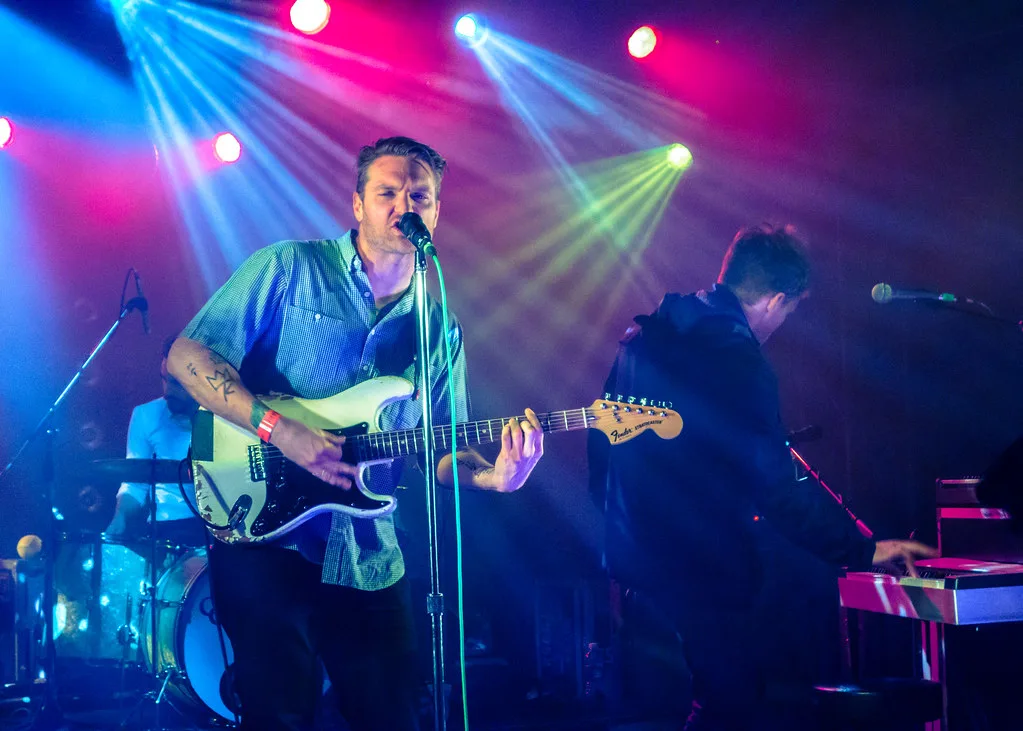
The “Freedom 250” events, intended to celebrate American milestones, faced significant logistical hurdles this weekend as several prominent artists canceled their scheduled performances. Donald Trump took to social media to condemn the artists, labeling their withdrawal as a sign of political polarization and a lack of support for national unity.
The cancellations reflect a broader trend within the entertainment industry where performers are increasingly weighing the political implications of participating in state-sponsored or politically aligned events. Critics of the former president argue that the artistic community’s hesitation stems from an unwillingness to be associated with specific political platforms, while supporters maintain that the boycott undermines the cultural spirit of the planned celebrations.
Escalation in Lebanon
In the Middle East, the security landscape shifted as the Israel Defense Forces (IDF) intensified operations in southern Lebanon on May 31. This expansion of the offensive follows weeks of cross-border skirmishes and marks a significant escalation in the regional conflict.
Military analysts suggest that the move is intended to neutralize militant infrastructure near the northern border, citing intelligence reports of increased activity in the region. The Lebanese government has expressed grave concern, warning that the intensification of hostilities risks drawing the country further into a regional confrontation.
Diplomatic Hurdles
Parallel to the military escalation, the United States and Iran continue to engage in indirect talks aimed at addressing regional security and nuclear proliferation. These negotiations remain fragile, with both sides navigating domestic pressures and conflicting strategic interests.
Data from the Council on Foreign Relations indicates that the current diplomatic climate is the most precarious it has been in several years. Observers note that the expansion of the conflict in Lebanon complicates these talks, as Iranian-backed factions are often at the center of the regional friction currently being addressed by the IDF.
Broader Implications
For the American public, the domestic controversy surrounding the “Freedom 250” events serves as a stark reminder of the deep-seated cultural divisions that continue to influence public life. The political rhetoric surrounding these cancellations is likely to intensify as the electoral cycle progresses.
Internationally, the escalation in Lebanon poses a severe challenge to regional stability. Observers should monitor the intensity of the IDF’s ground operations in the coming days, as the scope of the offensive will likely dictate the trajectory of U.S.-Iran diplomatic communications. The ability of international mediators to de-escalate the situation before it triggers a wider conflict remains the primary point of focus for global policymakers.