





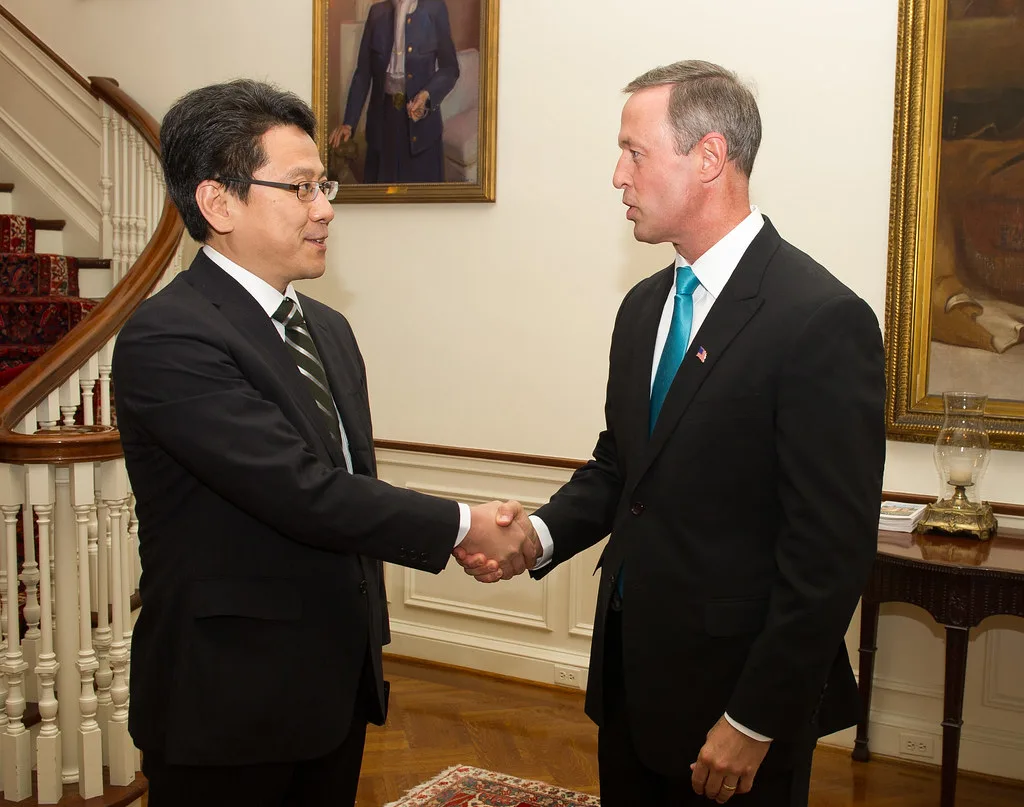
Diplomatic Engagement in New Delhi
Indian Prime Minister Narendra Modi hosted Myanmar’s military leader, Senior General Min Aung Hlaing, in New Delhi this week for high-level bilateral discussions aimed at addressing regional stability and cross-border security. The meeting marks a significant diplomatic outreach, as India seeks to navigate the complex political landscape of its neighbor while prioritizing its own strategic interests in the volatile border regions.
The Geopolitical Context
Myanmar has been engulfed in civil unrest and armed conflict since the military junta seized power in a February 2021 coup, ousting the democratically elected government. While Western nations have largely imposed sanctions and sought to isolate the junta, New Delhi has maintained a policy of pragmatic engagement. India shares a 1,643-kilometer border with Myanmar, making stability in the neighboring nation a primary concern for India’s internal security, particularly regarding the insurgency-prone states of Manipur and Mizoram.
Security Commitments and Border Stability
During the sessions, Min Aung Hlaing provided assurances that Myanmar would not permit its territory to be utilized by anti-India insurgent groups. This commitment is central to India’s security architecture, as militant organizations have historically used the dense, porous border regions of Myanmar as safe havens to launch attacks. By securing this guarantee, the Indian government aims to mitigate the risk of spillover violence that has frequently disrupted trade and local governance in Northeast India.
Economic and Strategic Interests
Beyond security, the talks touched upon the status of critical infrastructure projects, including the Kaladan Multi-Modal Transit Transport Project. This initiative is designed to connect the eastern Indian seaport of Kolkata with the Sittwe seaport in Myanmar, offering a vital trade route for India’s landlocked northeastern states. The progress of such projects remains contingent on the cooperation of the governing authorities in Naypyidaw, further underscoring why India remains hesitant to fully isolate the military administration.
Expert Perspectives on Pragmatic Diplomacy
Regional analysts note that India’s stance is driven by a ‘neighborhood first’ policy, which prioritizes geographical reality over ideological alignment. Experts suggest that India’s refusal to join Western-led isolation efforts is intended to prevent a power vacuum that could be filled by other regional rivals, specifically China. By keeping lines of communication open, India maintains a degree of influence that could prove instrumental in future humanitarian efforts or eventual political reconciliation processes.
Future Implications and Regional Stability
The decision to host the junta leader signals that India will continue to prioritize border security and economic connectivity over international pressure to distance itself from the military regime. Observers will be watching to see if this diplomatic thaw results in tangible reductions in cross-border militant activity or if the ongoing civil war within Myanmar will continue to threaten regional stability. The effectiveness of these bilateral assurances will be tested in the coming months as the situation on the ground in Myanmar remains fluid and highly unpredictable.