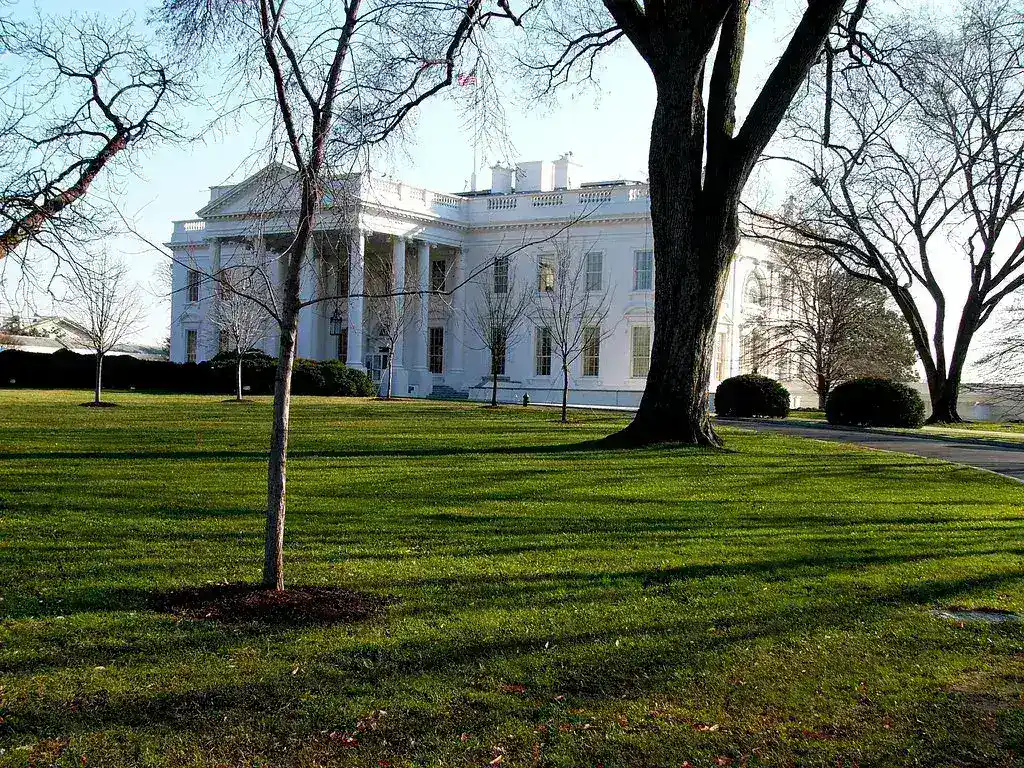




The Trump administration has issued a set of significantly tougher conditions for a proposed peace framework with Iran, according to senior U.S. officials familiar with the diplomatic efforts. The shift, reported this week in Washington, aims to accelerate stalled negotiations by compelling Iranian leadership to either accept the current, more stringent terms or face a total cessation of the preliminary talks.
The Context of Diplomatic Stagnation
For months, the relationship between Washington and Tehran has remained characterized by economic sanctions and regional posturing. The latest move signals a pivot from previous diplomatic overtures, reflecting a strategic decision to leverage time-sensitive pressure as a tool for policy enforcement.
International observers note that the previous framework had reached a stalemate, with neither side willing to make significant concessions on nuclear enrichment limits or regional influence. By tightening the requirements, the administration is signaling that the window for a negotiated settlement is closing rapidly.
Strategic Pressure and Negotiation Tactics
Officials suggest that the revisions are designed to force a definitive response from Tehran. By raising the bar for entry into a formal agreement, the U.S. seeks to eliminate ambiguity regarding the scope of required compromises.
Critics of the administration’s policy argue that these tougher terms may inadvertently push Iran further away from the negotiating table. Conversely, proponents claim that a firm stance is the only way to ensure that any potential agreement addresses the core security concerns prioritized by the White House.
Data from international monitoring agencies indicates that Iran has continued to expand its nuclear capabilities, further complicating the diplomatic landscape. These developments have increased the urgency for the U.S. to define its red lines clearly before the next cycle of international summits.
Expert Perspectives on Regional Stability
Geopolitical analysts remain divided on the potential outcomes of this escalation. Dr. Elena Vance, a senior fellow at a prominent foreign policy institute, notes that while pressure can yield results, it carries the inherent risk of miscalculation.
“The administration is betting that Tehran is more desperate for economic relief than it is committed to its current trajectory,” Vance stated. “If that calculation is off, we are looking at a period of increased regional volatility and a complete breakdown in communication channels.”
Other experts point to the role of third-party mediators who have been facilitating back-channel discussions. The success of this new framework will largely depend on whether these intermediaries can convince Tehran that the revised terms still offer a viable path to regional integration.
Implications for Global Markets and Diplomacy
For global markets, the uncertainty surrounding the deal has already begun to influence oil futures and regional investment portfolios. Businesses operating in the Middle East are bracing for a potential period of instability, as any collapse in talks typically correlates with increased regional tension.
Looking ahead, the international community will watch for Tehran’s formal response to the revised framework. Observers are also monitoring how European allies—who have historically advocated for a more moderate approach—will react to the hardening of the American position. The coming weeks will determine whether this strategy serves as a catalyst for a breakthrough or as the final disruption to a long-sought diplomatic resolution.