


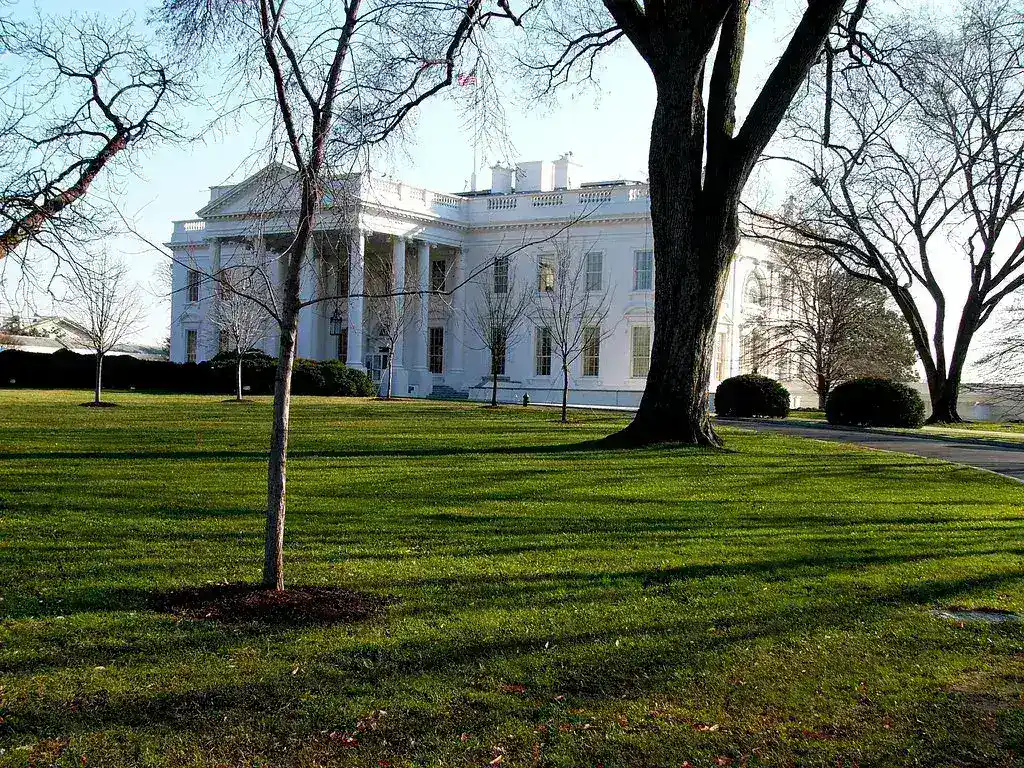
Situation Room Briefing on Iran Tensions
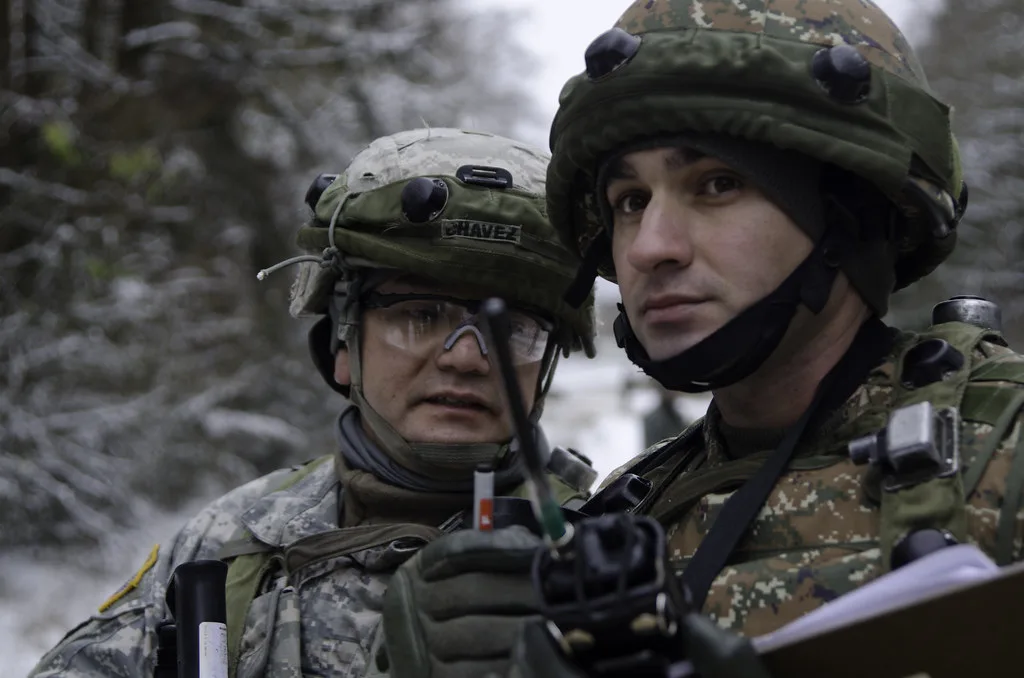
President Trump convened a high-level meeting in the White House Situation Room on May 29, gathering national security advisors to address escalating concerns regarding Iran. The administration’s focus remains on evaluating regional security posture and potential diplomatic or military responses to ongoing provocations in the Middle East.
Contextualizing the Iran Stance
The meeting occurs amidst a period of heightened friction between Washington and Tehran, marked by the U.S. policy of maximum pressure. Over the past several months, the administration has deployed additional military assets to the region, citing intelligence reports of potential threats to American interests and regional allies.
Observers note that the Situation Room session serves as a critical pressure point for the White House to calibrate its strategy. The administration faces a delicate balance between maintaining a credible deterrent and avoiding an unintended escalation into full-scale conflict.
Oversight Committee and the Epstein Probe
Simultaneously, the House Oversight Committee continued its investigation into the circumstances surrounding the death of Jeffrey Epstein. Pam Bondi appeared before the committee on May 29 to provide testimony behind closed doors, marking a significant development in the legislative branch’s inquiry.
The probe aims to determine if there were systemic failures within the federal prison system during Epstein’s incarceration. Members of the committee have consistently pushed for transparency, seeking to understand how a high-profile detainee was managed while awaiting trial on federal sex trafficking charges.
Expert Perspectives on Legislative Oversight
Political analysts suggest that the closed-door nature of the testimony highlights the sensitivity of the Epstein inquiry. According to data from the Congressional Research Service, the use of private depositions has become an increasingly common tool for committees seeking to gather evidence without the immediate political theater of public hearings.
Legal experts emphasize that such proceedings are vital for gathering raw facts. “Closed-door sessions allow for a more rigorous cross-examination of witnesses, which is essential when investigating potential institutional negligence,” says a senior fellow at a non-partisan policy institute.
Implications for Future Policy and Accountability
For the administration, the ongoing focus on Iran will likely dominate the national security agenda through the coming quarter. Markets and foreign policy experts are watching closely for signals regarding potential sanctions adjustments or shifts in troop deployment.
Looking ahead, the House Oversight Committee’s findings on the Epstein case could trigger broader reforms within the Department of Justice and the Federal Bureau of Prisons. Observers should monitor upcoming committee reports for potential legislative recommendations aimed at tightening oversight of high-security detainees, while simultaneously watching for further White House statements regarding the strategic situation in the Persian Gulf.