




North Atlantic Treaty Organization (NATO) officials declared this week in Brussels that the alliance remains fully prepared to defend all member territory against potential Russian aggression, as the ongoing conflict in Ukraine appears to be shifting into a volatile new phase. Following a series of intensified missile strikes and increased border activity, the alliance is accelerating its defensive posture along its eastern flank to reassure member states and deter further escalation.
The Changing Landscape of the Conflict
The war, which began with Russia’s full-scale invasion of Ukraine in February 2022, has recently moved toward a period of renewed intensity. After months of relative stagnation along the front lines, recent developments suggest both sides are recalibrating their strategies, leading to heightened concerns among neighboring European nations.
NATO’s leadership emphasizes that while the alliance is not a party to the conflict, its collective security guarantee remains ironclad. The Article 5 provision, which dictates that an attack on one member is an attack on all, serves as the primary deterrent against the conflict spilling over national borders.
Strategic Shifts and Military Readiness
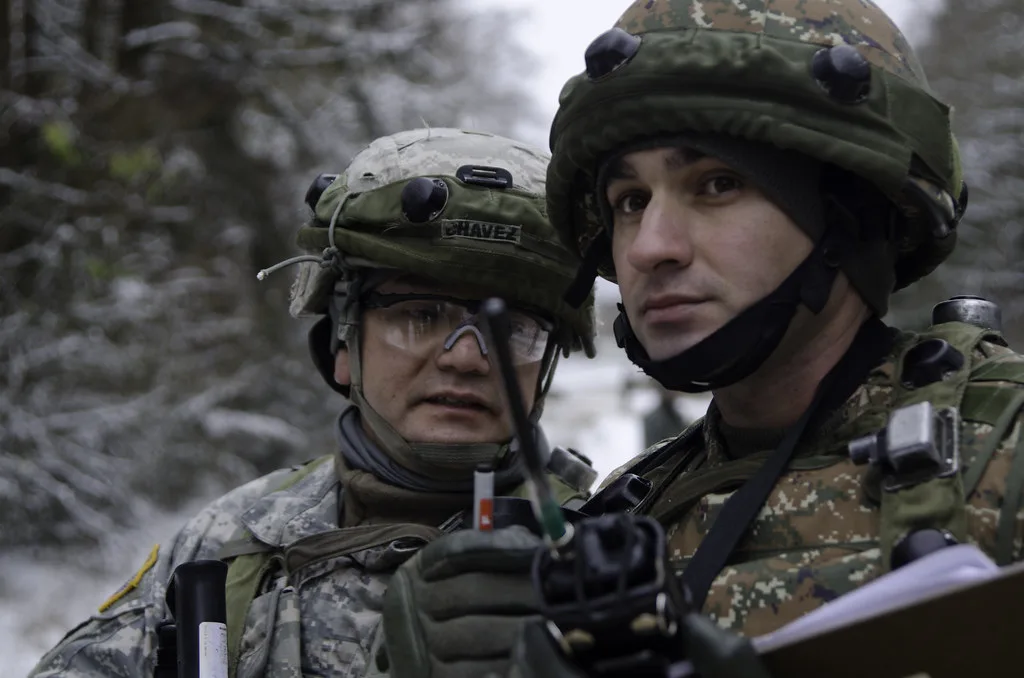
In response to the evolving situation, NATO has significantly bolstered its presence in Poland, the Baltic states, and Romania. These deployments involve thousands of combat-ready troops and advanced surveillance capabilities designed to detect and intercept potential aerial incursions.
Military analysts note that the shift in the conflict’s nature—characterized by long-range drone warfare and missile barrages—requires a more integrated air defense network. NATO members are currently coordinating efforts to standardize equipment and improve communication channels to ensure a rapid, unified response should an incident occur.
Expert Perspectives on Security
“The alliance is operating with a heightened sense of urgency that has not been seen in decades,” says Dr. Elena Vance, a senior fellow at the Center for European Policy. “The current strategy focuses on denying Russia any tactical advantage that could be gained from testing the boundaries of NATO territory.”
Data from the International Institute for Strategic Studies indicates that defense spending among European NATO members has reached record levels in 2024. This financial commitment reflects a broader recognition that the regional security architecture requires long-term investment rather than temporary measures.
Broader Implications for European Stability
For the average citizen, this shift signifies a prolonged period of geopolitical instability. Industries across Europe are already adjusting to the reality of interrupted supply chains and increased energy costs, which are intrinsically linked to the security situation in the East.
The diplomatic community remains focused on preventing a direct confrontation between NATO and Russian forces, which would have catastrophic global consequences. Instead, the current emphasis is placed on containment and the continued support of Ukrainian defense capabilities to maintain the current territorial status quo.
Looking ahead, observers are watching for the upcoming NATO summit where leaders are expected to finalize new defense plans for the Baltic region. Markets and political analysts will be monitoring the frequency of unauthorized border crossings and the effectiveness of integrated air defense systems, as these will serve as key indicators of whether the conflict remains confined to Ukrainian soil.