


Recent Engagement in Counter-Narcotics Operations
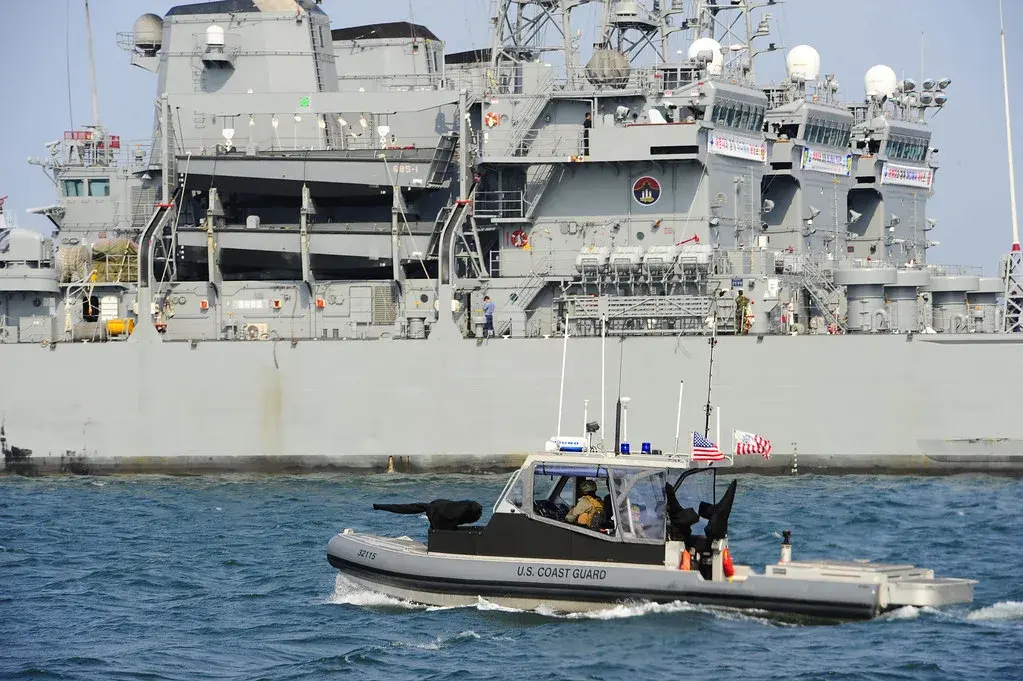
U.S. military forces killed three individuals aboard a vessel suspected of drug trafficking during an interdiction operation this week in international waters. This latest engagement contributes to a mounting death toll, with approximately 200 people killed in similar military-led counter-narcotics operations since the beginning of last year.
Context of the Maritime Security Strategy
The U.S. military maintains a robust presence in regions frequently utilized by transnational criminal organizations to transport illicit substances. These operations are typically conducted under the authority of maritime security agreements, aimed at disrupting the flow of cocaine and other narcotics toward North American markets. By deploying naval assets and aerial surveillance, the U.S. seeks to intercept traffickers before they reach coastal borders.
Evaluating Operational Efficacy
Critics of the current strategy argue that the use of lethal force in maritime interdictions has failed to produce a measurable decline in smuggling volumes. While U.S. officials maintain that these missions are essential for national security and regional stability, independent monitors point to the persistence of trafficking routes despite high-profile seizures. Data suggests that criminal organizations are increasingly adapting their tactics to circumvent traditional maritime patrols.
Expert Perspectives on Enforcement
Security analysts note that the complexity of the maritime environment makes it difficult to distinguish between civilian vessels and trafficking craft. According to reports from regional security forums, the high frequency of these lethal encounters has raised concerns regarding the escalation of force protocols. Some experts suggest that a shift toward intelligence-driven disruption, rather than kinetic interdiction, might yield more sustainable results in weakening cartel logistics.
Broader Industry and Regional Implications
For the shipping and logistics industry, these ongoing operations highlight the risks associated with navigating high-traffic maritime corridors. Increased military activity often leads to heightened scrutiny of commercial vessels, which can cause delays and complicate insurance premiums for maritime operators. Furthermore, the persistent violence associated with these interdictions may influence future diplomatic relations between the U.S. and regional transit nations.
Looking Ahead
Moving forward, observers will be watching for potential adjustments to the U.S. rules of engagement in international waters. The focus remains on whether policymakers will prioritize a greater emphasis on ground-level intelligence gathering or continue the current strategy of aggressive maritime enforcement. Upcoming legislative reviews in Washington may provide further clarity on the budgetary and strategic direction of these operations in the coming fiscal year.