




The Impasse in Gender-Inclusive Governance
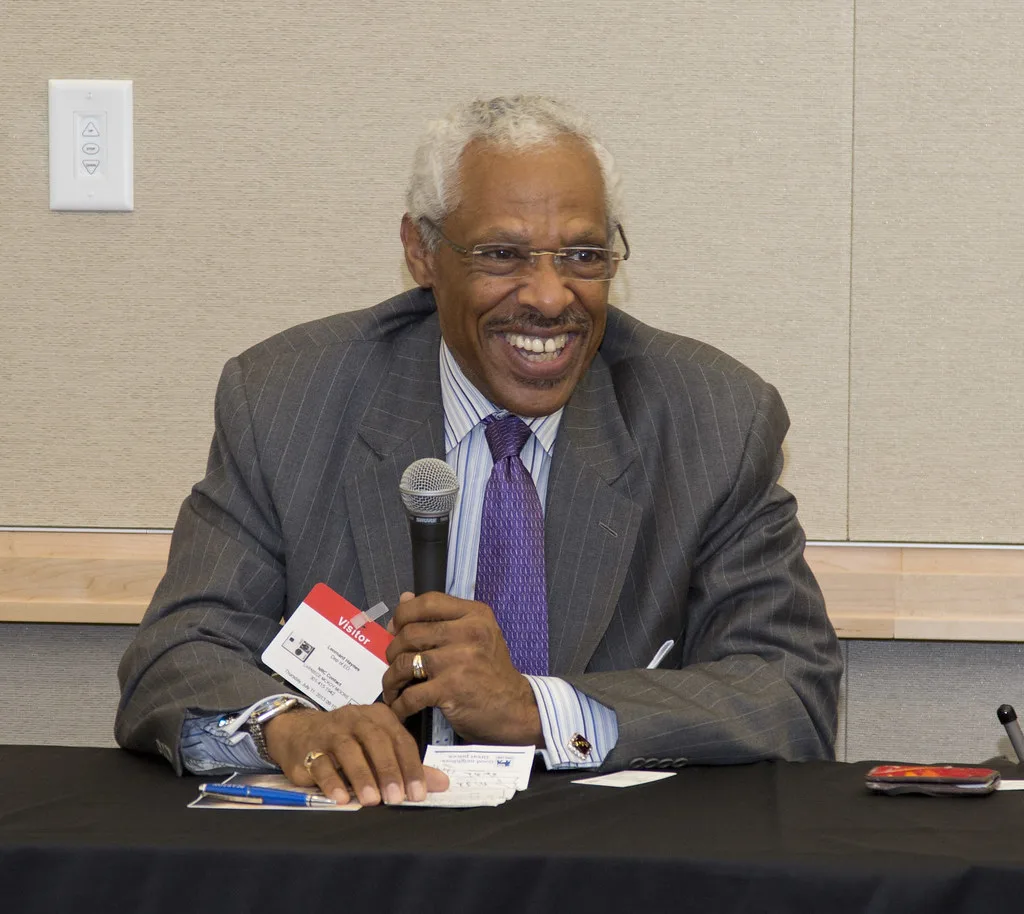
A retired high-court judge has publicly criticized the systemic delays hindering the implementation of a 33% parliamentary quota for women, citing a deep-seated resistance within male-dominated political institutions. Speaking at a policy forum this week, the former jurist argued that the legislative stagnation is not a result of administrative oversight, but rather a calculated strategy by entrenched political actors to maintain existing power structures.
The Context of Legislative Stalling
For decades, the discourse surrounding gender parity in politics has centered on the necessity of reserved seats to correct historical imbalances in legislative bodies. Despite widespread public support and international pressure to increase female representation, actual implementation has been repeatedly thwarted by parliamentary gridlock and procedural maneuvers. Proponents of the quota argue that voluntary efforts by parties have failed to produce meaningful change, necessitating mandatory legislative interventions to ensure equitable representation.
Institutional Resistance and Power Dynamics
The core of the conflict lies in the apprehension among established political parties that a mandated 33% quota would disrupt current internal hierarchies. Analysts suggest that party leaderships, which are predominantly male, perceive the reservation of seats as a direct threat to their influence over candidate selection and constituency control. This defensive posture has manifested in the form of endless committee reviews and debates over implementation frameworks, effectively stalling the legislative process for years.
Expert Perspectives on Representation
Data from the Inter-Parliamentary Union indicates that countries with mandated quotas consistently show higher levels of female participation compared to those relying on voluntary measures. Legal experts note that the current delay is not merely a political preference but arguably a failure to uphold constitutional mandates regarding equality. By delaying the quota, critics argue that the government is effectively disenfranchising half the population and limiting the diversity of perspectives in critical policy discussions.
Broader Implications for Democracy
The failure to implement these quotas poses significant risks to the legitimacy of the electoral process and the responsiveness of future legislation. When political institutions remain homogeneous, the specific needs and challenges of women—ranging from healthcare access to economic security—often remain sidelined in policy debates. This exclusion risks alienating a significant portion of the electorate and undermines the democratic ideal of a representative government that reflects the society it serves.
Future Outlook and Monitoring
Advocacy groups are now shifting their focus toward judicial activism, seeking court orders to compel the government to set a definitive timeline for the quota’s adoption. Observers should watch for upcoming parliamentary sessions, where pressure from international human rights organizations and domestic civil society groups is expected to mount. The central question remains whether political parties will voluntarily yield a portion of their influence or if the judiciary will be forced to intervene to break the persistent legislative deadlock.