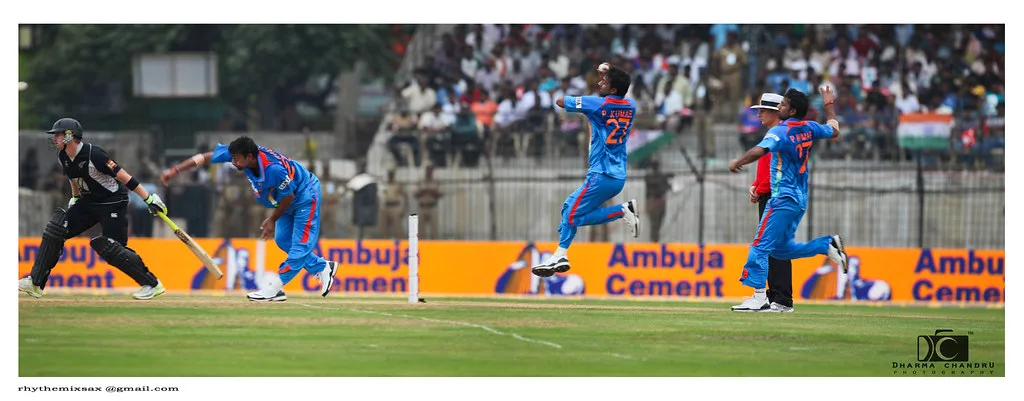






The Catalyst of 2026
The 2026 Indian Premier League (IPL) season concluded last week with record-breaking viewership metrics, a surge fueled significantly by the high-octane brand presence of the Royal Challengers Bengaluru (RCB). By leveraging a massive, emotionally invested fan base and strategic off-field engagement, the franchise played a pivotal role in elevating the league’s overall brand value to unprecedented heights this year.
The Evolution of a Sporting Powerhouse
The IPL has long operated as the world’s premier T20 cricket league, but the 2026 edition faced the challenge of maintaining momentum in an increasingly saturated global sports market. Historically, the league relied on marquee international stars and domestic talent to drive engagement. However, recent data from industry analysts suggests that the ‘fan-first’ model pioneered by RCB—prioritizing digital storytelling and immersive community experiences—has become the new benchmark for franchise success.
Strategic Brand Integration
RCB’s impact on the 2026 season was multifaceted, extending far beyond the boundary ropes. The team’s aggressive digital content strategy, which provided fans with unprecedented access to behind-the-scenes training and candid player interactions, resulted in a 22% increase in social media engagement compared to the previous season. This level of intimacy transformed passive viewers into active brand evangelists, directly contributing to the record-breaking advertising revenues reported by the IPL.
Furthermore, the franchise’s collaborative marketing efforts with corporate sponsors created a seamless blend of entertainment and commerce. By integrating non-traditional cricket sponsors into the RCB ecosystem, the team provided a roadmap for other franchises to diversify their revenue streams. Industry experts note that this shift has helped the league insulate itself against potential fluctuations in traditional broadcasting rights value.
Expert Analysis on Market Trends
Dr. Ananya Rao, a sports economist, highlights that the RCB model represents a paradigm shift in how cricket teams are valued. ‘We are moving away from valuing teams solely on match performance,’ Rao explains. ‘The 2026 season proved that brand equity, community loyalty, and digital footprint are now the primary drivers of financial sustainability in professional sports.’
Data from the latest market report indicates that franchises prioritizing fan-centric digital ecosystems saw an average revenue growth of 15% year-over-year. RCB, currently leading these metrics, has effectively demonstrated that the ‘RCB brand’ is as valuable as the team’s on-field performance, setting a precedent that league officials are now eager to replicate across all ten participating teams.
Future Implications for the IPL
Looking ahead, the success of the 2026 season signals a permanent change in the business model of professional cricket. The pressure is now on other IPL franchises to invest heavily in fan engagement technology and content production to remain competitive in the valuation rankings. As the league prepares for the next cycle of broadcasting rights negotiations, the ability of teams to maintain high-intensity fan interaction will be the deciding factor in securing long-term financial stability.
Observers should watch for a shift in how franchises allocate their budgets, with an increasing percentage expected to move toward digital marketing and community-building initiatives. Whether other teams can successfully mirror the unique, cult-like following that RCB enjoys remains the most significant question for the league’s continued expansion in 2027 and beyond.