




Military Confrontation Erupts in the Persian Gulf
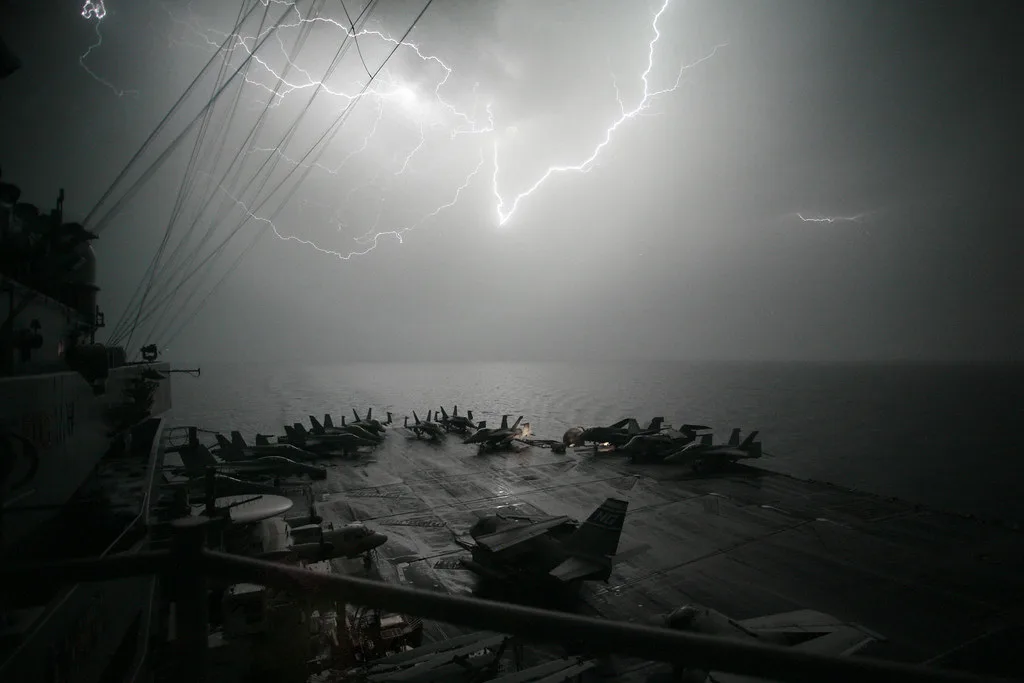
Tensions between the United States and Iran escalated sharply this week as both nations engaged in a series of retaliatory military strikes across the Persian Gulf region. The conflict intensified after Tehran launched missile and drone attacks against U.S. allied positions in Kuwait and Bahrain, prompting immediate defensive and offensive responses from American forces stationed on Qeshm Island.
While Iranian officials claimed the strikes were a direct warning against foreign encroachment, the U.S. military has officially denied reports of damage to its base in Kuwait. The situation remains fluid as regional powers and international observers scramble to assess the potential for a broader regional war.
The Context of Rising Regional Volatility
The latest hostilities follow months of deteriorating diplomatic relations and increased naval presence in the Strait of Hormuz. Iran has long viewed the presence of U.S. military assets in neighboring Gulf states as a direct threat to its national security, frequently citing these installations as potential launchpads for Western intervention.
Conversely, the United States maintains that its military posture in the region is intended to ensure freedom of navigation and support regional allies against Iranian-backed proxy activities. The exchange of fire marks a significant shift from the shadow warfare that has characterized the region for years into a direct, overt military engagement.
Detailed Breakdown of Recent Engagements
The escalation began when Iranian forces launched a coordinated barrage of drones and missiles aimed at infrastructure in Kuwait and Bahrain. Tehran’s state-aligned media outlets characterized the move as a long-promised retaliation for perceived provocations, claiming that the “warning strikes” were designed to demonstrate their reach.
In response, U.S. Central Command confirmed that its defensive systems were activated to intercept the incoming projectiles. U.S. forces subsequently conducted targeted strikes against launch sites on Qeshm Island, an Iranian territory that has served as a strategic hub for maritime surveillance and missile storage.
Expert Analysis and Regional Security
Security analysts note that the use of direct fire against sovereign allies like Kuwait and Bahrain represents a dangerous threshold. According to data from the International Institute for Strategic Studies, the proximity of these bases to Iranian territory leaves little margin for error in defensive interception, increasing the risk of collateral damage.
Military observers point out that the U.S. declaration of having “defeated” the initial barrage suggests a reliance on advanced Patriot missile defense systems. However, experts warn that sustained drone warfare could eventually overwhelm traditional air defense architectures if the conflict continues to broaden.
Implications for Global Stability
The immediate consequence of this escalation is a sharp spike in global oil prices as markets react to the instability in a critical transit corridor. For the international community, the primary concern is the potential for a chain reaction that draws in neighboring countries and complicates existing diplomatic channels.
Looking ahead, observers are monitoring the movement of naval assets in the Persian Gulf to see if Tehran will attempt further retaliatory measures or if diplomatic backchannels can facilitate a de-escalation. The coming days will be critical, as both nations weigh the political costs of continued direct military confrontation against the risks of a full-scale regional conflict.