




Leadership Turmoil at BP
BP’s board of directors abruptly removed Chair Albert Manifold this week, citing significant concerns regarding governance oversight and personal conduct. The decision, which marks a major leadership shakeup for the global energy giant, comes as the company attempts to navigate a period of intense geopolitical volatility.
The Broader Energy Context
The leadership crisis coincides with a sharp escalation in oil and gas prices triggered by the ongoing conflict in the Middle East. Markets have reacted nervously to recent reports of US military actions against Iranian missile sites, pushing fuel prices to record highs across the United Kingdom.
This geopolitical instability is translating directly into financial pressure for consumers. Analysts note that the disruption of supply chains in the Persian Gulf has introduced a new risk premium into global energy markets, forcing refineries to grapple with higher crude costs that are eventually passed down to the pump.
Anticipating the Ofgem Price Cap
The economic impact of these rising costs will reach British households on Wednesday morning when the energy regulator, Ofgem, announces the latest price cap. This adjustment will determine the maximum rates suppliers can charge for the upcoming July-September quarter, directly affecting millions of utility bills.
Energy market experts suggest that the timing of this announcement is particularly difficult for consumers. With the price of wholesale gas and oil remaining elevated due to the Iran-related tensions, households are bracing for a potential increase in their quarterly energy expenditures.
Government Strategy and Industrial Policy
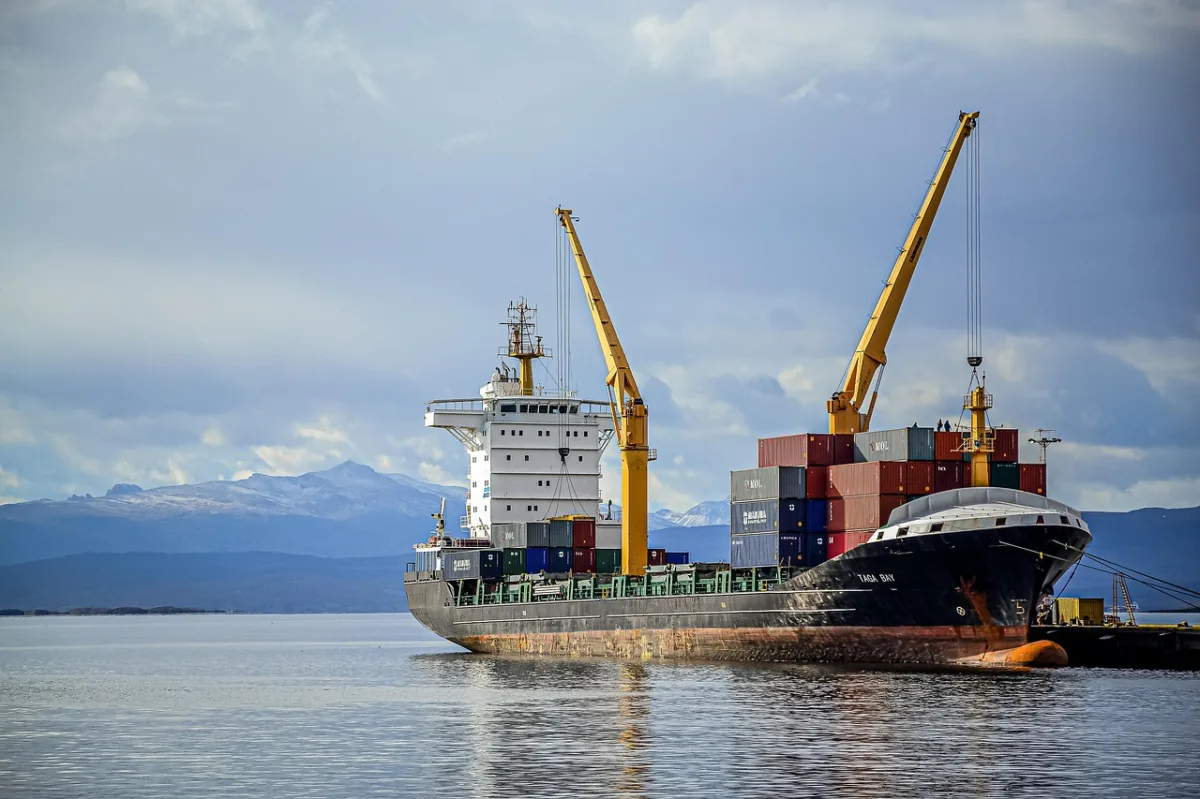
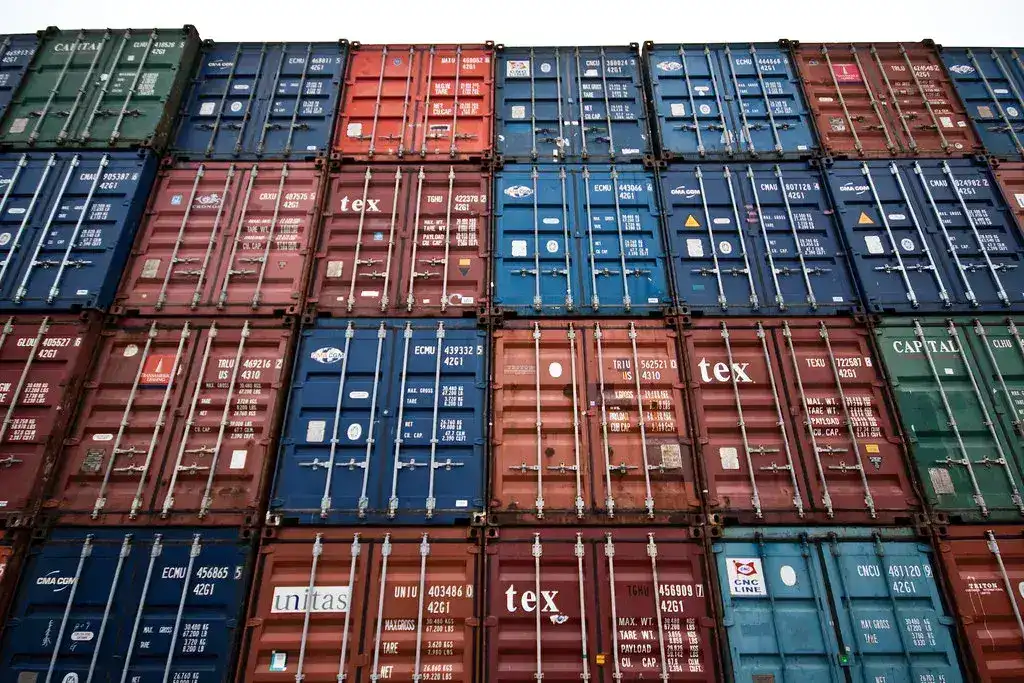
Amid the market volatility, Chancellor Rachel Reeves has issued a directive to government ministers to prioritize the ‘buy British’ approach across four key industries. This policy shift aims to insulate the UK economy from international supply chain shocks by bolstering domestic production capabilities.
The government’s focus on domestic procurement reflects a broader trend toward economic protectionism in response to global instability. By strengthening local supply chains, officials hope to mitigate the reliance on volatile international markets that currently dictate energy and commodity pricing.
Future Market Outlook
Investors and analysts are now closely monitoring the transition period at BP, specifically looking for how the new leadership intends to address the stated governance failures. The stability of the company’s board will be a critical factor in maintaining shareholder confidence during this period of transition.
Looking ahead, the primary focus will remain on the Ofgem announcement and its subsequent impact on inflation data. Observers should watch for potential government interventions or support packages, as the combination of high energy prices and political instability continues to challenge the resilience of the household budget.