

A New Chess Culture Emerges in Chennai
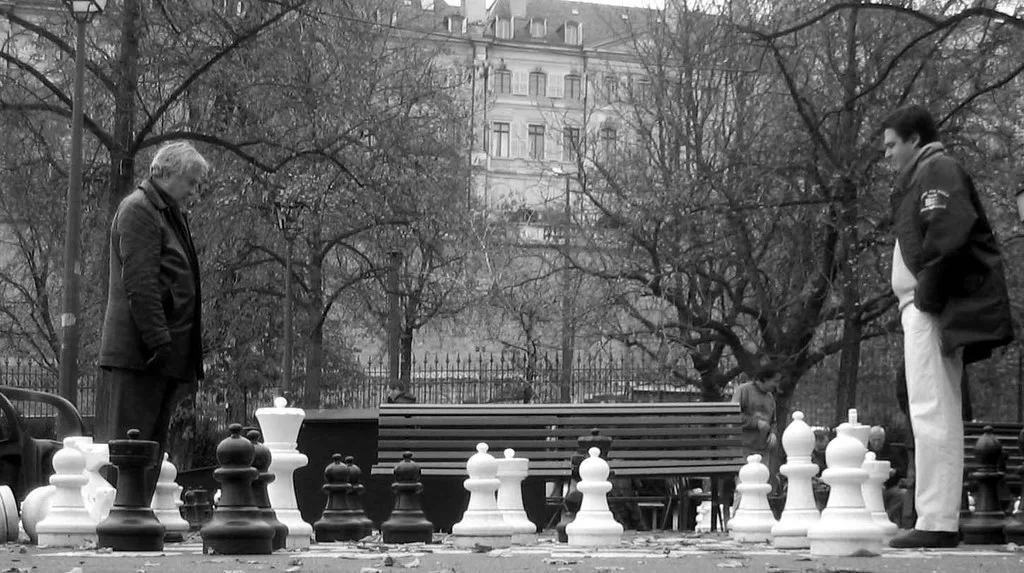
In a significant shift for Chennai’s public urban landscape, local residents have transformed a municipal park into a thriving, open-air chess arena this month, establishing the city’s first dedicated intellectual third space for casual and competitive players. Drawing inspiration from the storied street chess traditions of Moscow’s Gorky Park and Mumbai’s Carter Road, the initiative has turned a quiet green space into a bustling hub where strangers and friends alike gather daily to test their strategic prowess.
The Evolution of Urban Social Spaces
For decades, Chennai has been recognized globally as the chess capital of India, largely due to its high density of grandmasters and prestigious tournaments. However, the game was traditionally confined to formal clubs, schools, or private residences.
The emergence of this park-based chess scene marks a democratization of the sport, moving it from elite training halls to the public commons. This trend mirrors a broader global movement toward reclaiming urban environments for community-based, non-commercial activities.
Community Dynamics and Strategic Play
The park now hosts dozens of simultaneous matches throughout the day, with players ranging from school children to retirees. The environment is characterized by a unique social contract where age, profession, and socioeconomic background become secondary to the game.
“The board acts as a social leveler,” says local chess enthusiast and community organizer R. Venkatesh. “When you sit down to play, you aren’t a CEO or a student; you are simply a player looking for the next move.”
Data from local neighborhood associations indicates that participation has grown by 40% since the park installed permanent stone tables last quarter. This physical infrastructure has proven critical in sustaining the interest of casual players who previously lacked a consistent venue.
The Impact of the “Chess Capital” Identity
The success of the Chennai park project highlights the city’s deep-seated cultural affinity for the game. With the recent hosting of international events like the 44th Chess Olympiad, the local population has seen a surge in interest, prompting a demand for accessible public spaces where the game can be played without barriers to entry.
Urban planners note that such spaces provide essential mental health benefits, fostering face-to-face social interaction in an increasingly digital world. The park serves as a “third space”—a location outside of home and the workplace—that encourages spontaneous community engagement.
Future Trends and Urban Development
As the popularity of this park continues to swell, municipal authorities are considering plans to replicate the model in other zones across Chennai. If successful, these chess-centric hubs could redefine how the city approaches public park design, shifting focus from purely aesthetic landscaping to functional, community-driven environments.
Observers should watch for whether these spaces attract corporate sponsorship or formal municipal programming. The long-term viability of these hubs will depend on continued maintenance and the ability to balance quiet, focused play with the needs of other park visitors.