



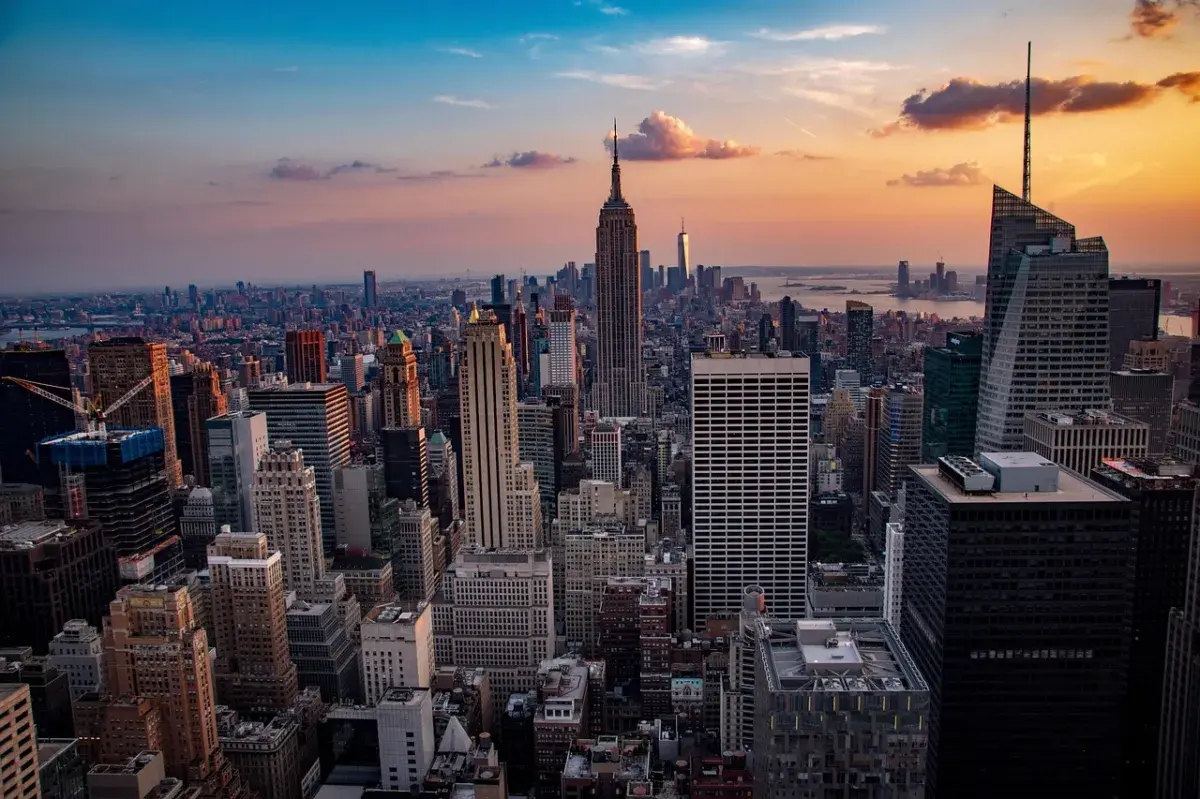
A Public Schism in New York
Prominent Democratic leaders and activists marched through Manhattan on Sunday during the annual Israel Day parade, yet the event was marked by a deepening ideological divide within the party. While establishment figures participated in the traditional display of solidarity, New York City officials and progressive lawmakers notably boycotted the proceedings, citing concerns over the current Israeli government’s policies in Gaza.
The absences highlighted a growing friction within the Democratic ranks regarding foreign policy and the humanitarian crisis in the Middle East. Among those missing was Zohran Mamdani, who maintained his promise to skip the event, openly accusing the Israeli administration of committing genocide.
Contextualizing the Controversy
The Israel Day parade has long served as a staple of New York City political life, traditionally drawing bipartisan support from local and national politicians. However, the current geopolitical climate has transformed a once-ceremonial event into a flashpoint for internal party debate.
Recent months have seen increased pressure from progressive bases on elected officials to distance themselves from the Israeli government, particularly following the escalation of military operations in Gaza. The presence of far-right Israeli cabinet members at various international events has further complicated the decision-making process for Democratic officeholders.
The Spectrum of Democratic Response
The split was evident as party members adopted vastly different strategies regarding their participation. While some officials argued that supporting the parade is a matter of long-standing diplomatic tradition and community representation, others framed their non-attendance as a moral imperative.
Critics of the marchers focused their ire on those who walked alongside controversial figures, including Israel’s far-right finance minister. This proximity to polarizing international figures has drawn sharp rebukes from activists, who argue that such optics undermine the party’s platform on human rights and international law.
Data and Expert Perspectives
Public polling data from organizations like Gallup has indicated a significant shift in Democratic sentiment toward the Israeli-Palestinian conflict over the past year. Younger voters and progressive demographics, in particular, have shown a higher propensity to criticize the Israeli state’s military actions compared to older, more moderate segments of the party.
Political analysts suggest that this shift is forcing a recalibration of political strategy. For many Democratic candidates, the choice to attend or abstain from such events is no longer just a symbolic gesture; it is a calculated move to satisfy increasingly vocal and polarized constituencies.
Future Implications for the Party
The divergence in attendance signals a broader challenge for the Democratic Party as it heads into future election cycles. Maintaining a “big tent” coalition becomes increasingly difficult when foundational views on international alliances and human rights diverge sharply among its representatives.
Observers are now watching to see how this internal tension will influence primary elections and legislative agendas in the coming months. If the current trend of boycotts and vocal dissent continues, the party may face a protracted struggle to reconcile its traditional foreign policy stances with the evolving values of its base. The upcoming legislative sessions will likely serve as a litmus test for whether this divide remains confined to symbolic events or begins to significantly alter the party’s formal policy platforms.