




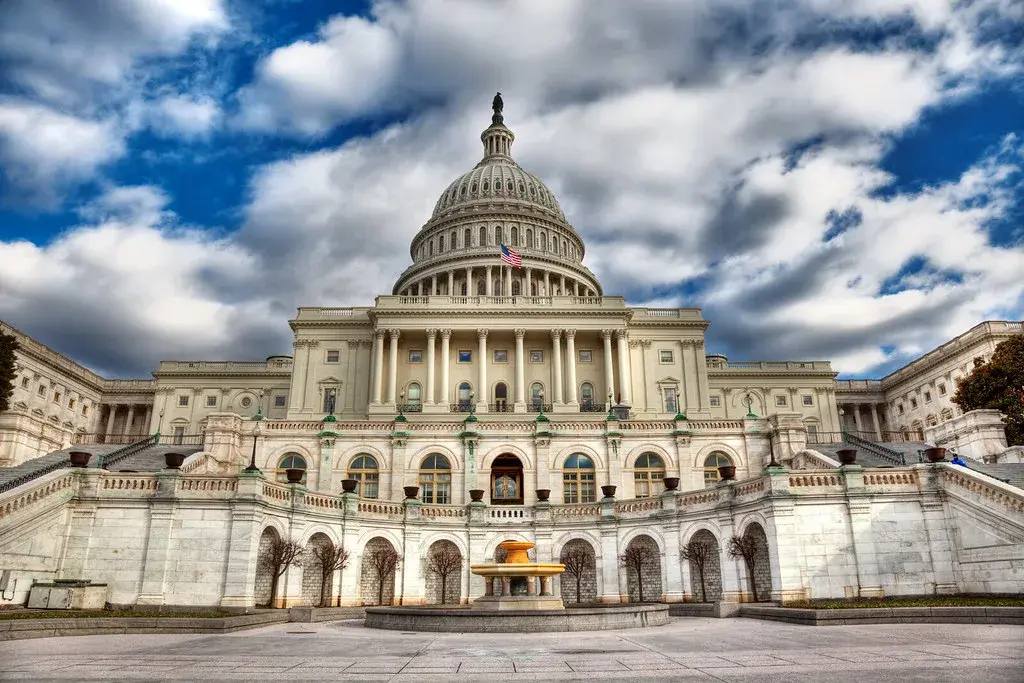
NPR’s Tamara Keith and NOTUS reporter Jasmine Wright joined Geoff Bennett this week to analyze the evolving power dynamics within the Republican Party, focusing on President Donald Trump’s intensified influence over congressional lawmakers. As the administration navigates a complex legislative landscape, observers are tracking how Trump’s political capital is reshaping party discipline and legislative priorities in Washington, D.C.
The Evolution of Party Loyalty
The current political environment marks a significant shift in the traditional relationship between the White House and the legislative branch. Trump’s ability to mobilize his base has transformed him into the primary arbiter of political survival for many Republican members of Congress.
Historically, presidents have struggled to maintain absolute control over their party’s legislative agenda. However, the current alignment suggests a heightened level of centralization where dissent is increasingly rare and political costs for opposing the administration’s directives are high.
The Mechanics of Freedom 250
Central to this discussion is the emergence of initiatives like ‘Freedom 250,’ a strategic effort aimed at consolidating influence and ensuring legislative alignment. Analysts note that such initiatives serve as a litmus test for loyalty, effectively filtering out candidates or representatives who do not adhere to the administration’s core policy objectives.
By leveraging digital outreach and grassroots mobilization, the administration has successfully bypassed traditional party gatekeepers. This strategy ensures that congressional Republicans remain focused on the executive’s agenda, often at the expense of independent legislative maneuvering.
Expert Insights on Institutional Power
Political analysts point to the data regarding primary election results and fundraising trends as evidence of Trump’s enduring influence. According to recent reports from NOTUS, the correlation between presidential endorsements and electoral success remains a dominant factor in Republican primaries.
Experts suggest that this trend is not merely about individual personality but reflects a broader structural change in how political power is exercised in the modern era. The reduction of moderate voices within the party has created a more monolithic voting bloc, which simplifies the process of passing party-line legislation but complicates the potential for bipartisan compromise.
Implications for Future Policy
For the average voter and market participant, this consolidation means that legislative outcomes are becoming increasingly predictable based on the preferences of the executive branch. The ability of the White House to command the legislative calendar suggests that upcoming debates on fiscal policy, judicial appointments, and foreign policy will likely mirror the president’s personal priorities without significant internal resistance.
Looking ahead, the primary concern for political strategists is whether this level of control is sustainable through the next election cycle. Observers should monitor upcoming legislative votes to see if cracks emerge in the coalition, particularly as regional interests begin to conflict with national executive mandates. The resilience of the ‘Freedom 250’ framework will remain a key indicator of whether the current trend of centralized authority continues to define the Republican legislative strategy for the foreseeable future.