




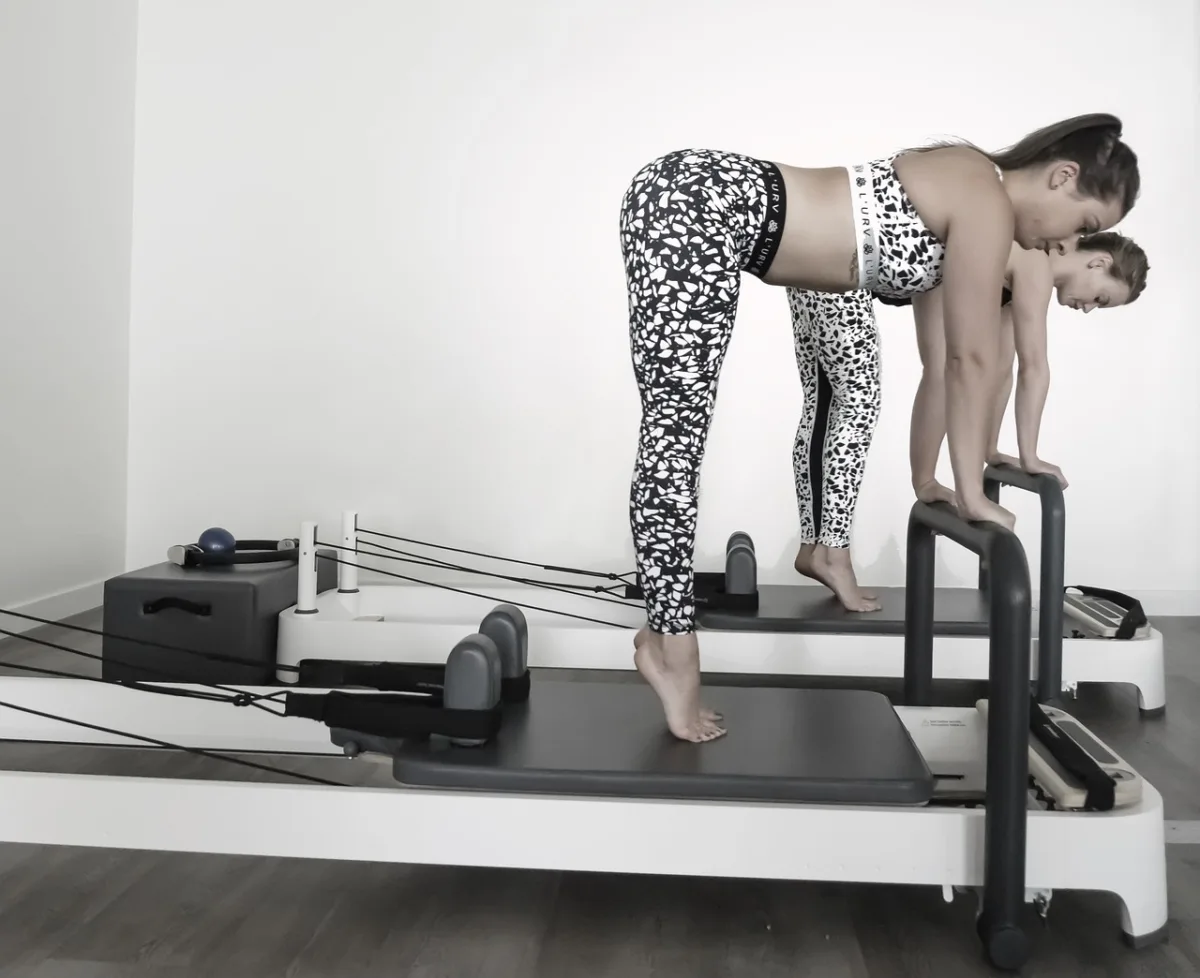
Pilates has emerged as the definitive fitness trend of the 2020s, experiencing a massive surge in global popularity across major metropolitan fitness hubs and digital platforms throughout 2023 and 2024. Developed initially as a rehabilitation tool, this low-impact exercise method has transitioned from boutique studio obscurity into a mainstream wellness phenomenon, driven by a growing cultural shift toward functional movement and longevity-focused training.
The Evolution of a Discipline
The practice originated during World War I, when Joseph Pilates developed a system of exercises designed to rehabilitate bedridden patients. By utilizing resistance springs and specialized apparatus, Pilates aimed to strengthen the body’s core while improving postural alignment and muscular endurance.
For decades, the method remained a niche practice favored by dancers and physical therapists. However, the post-pandemic era saw a marked pivot in consumer behavior, with a significant decline in high-intensity interval training (HIIT) participation and a concurrent rise in low-impact modalities that prioritize joint health and mental clarity.
Why Pilates is Dominating the Market
Modern Pilates has benefited significantly from the integration of social media, where the aesthetic appeal of the Reformer machine has garnered billions of views on platforms like TikTok and Instagram. Beyond the visual appeal, data suggests that the practice addresses the specific needs of an increasingly sedentary workforce.
According to the International Health, Racquet & Sportsclub Association (IHRSA), boutique fitness studios focusing on mind-body connection reported a 15% year-over-year growth in membership. Experts suggest that the focus on ‘core-centric’ training provides a tangible solution to the chronic lower back pain and posture degradation associated with remote work environments.
Expert Perspectives on Functional Fitness
Physical therapists and kinesiologists have largely endorsed the trend, citing the method’s emphasis on eccentric muscle contractions and controlled breathing. Unlike heavy lifting, which focuses on hypertrophy, Pilates emphasizes ‘functional fitness’—the ability to perform daily activities with greater ease and reduced injury risk.
Dr. Elena Rossi, a specialist in sports medicine, notes that the accessibility of the practice is a key driver of its longevity. ‘Patients are moving away from the