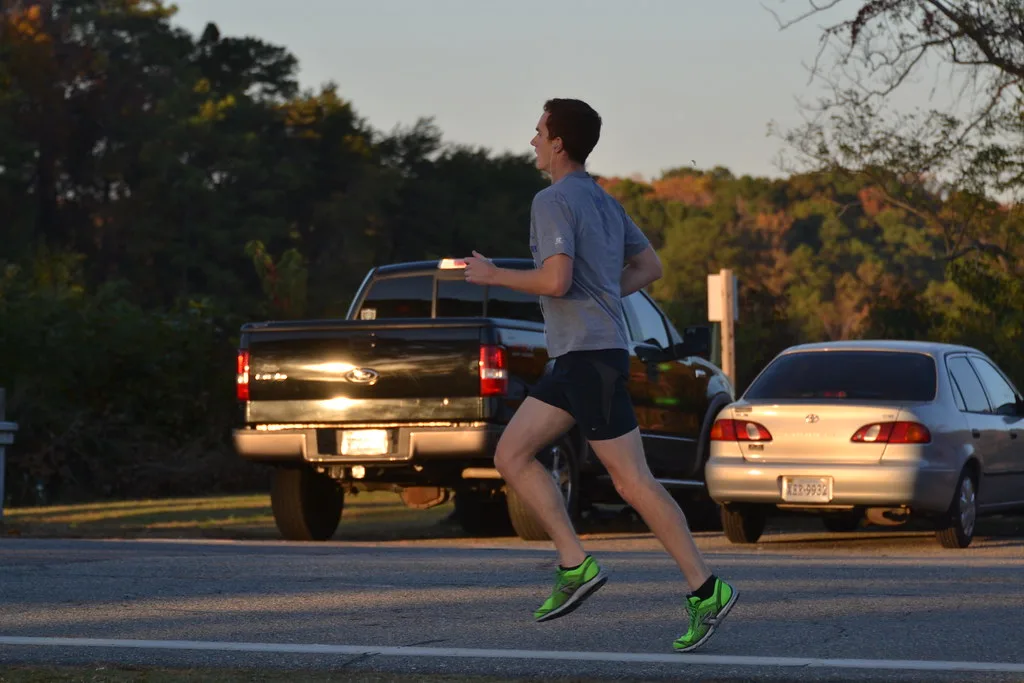






A growing demographic of Indian fitness enthusiasts is transforming the traditional vacation model, opting for “race-cations” that combine competitive running with international and domestic tourism. Throughout 2024, thousands of Indian runners have traveled to high-altitude marathons in Ladakh, verdant forest trails in Coorg, and global major events in London and Chicago, signaling a shift toward experience-based travel that prioritizes physical endurance alongside leisure.
The Evolution of the Active Traveler
The concept of the “race-cation” has gained significant momentum as the post-pandemic landscape encourages a deeper integration of wellness into daily life. Where travel was once defined by sightseeing and relaxation, a new generation of Indian middle-class professionals is now viewing travel as a vehicle for personal achievement.
Data from domestic marathon organizers suggests a 25% year-on-year increase in participants traveling from outside their home states to compete. This trend is supported by the rising accessibility of international marathon entry slots and the proliferation of specialized travel agencies catering specifically to athletic tourism.
The Socio-Economic Drivers
Several factors have contributed to this surge. Increased disposable income among urban millennials and a heightened awareness of long-term health metrics have moved running from a niche hobby to a lifestyle anchor. Furthermore, the rise of running communities and social media groups has turned these events into major networking opportunities.
“Running is no longer a solitary activity,” notes Dr. Rajesh Verma, a sports physiologist. “It has become a social currency. Traveling to a race allows runners to bond with their community in environments that push them physically, which creates a much stronger sense of accomplishment than a standard holiday.”
Economic and Industry Impact
The hospitality sector has been quick to adapt to this trend. Hotels in popular race destinations are now offering “runner-friendly” packages, which include early-morning breakfast buffets, shuttle services to starting lines, and post-race recovery amenities like ice baths and deep-tissue massage vouchers.
The economic footprint of these events is substantial. A typical participant in an international marathon often stays for five to seven days, effectively turning a single-day event into a week-long tourism cycle. This extends the peak season for many destinations that previously relied on static, seasonal tourism patterns.
Challenges and Logistics
Despite the popularity, the trend faces logistical hurdles. Training for high-altitude marathons like the Ladakh event requires months of preparation and acclimatization, which can be daunting for amateur athletes. Additionally, the increasing demand for slots in global marathons has led to inflated travel costs and competitive entry lotteries that often exclude casual participants.
Travel industry analysts point out that as the market matures, the demand for specialized “race-cation” insurance and medical-support travel packages will likely increase. There is also a growing need for better infrastructure, such as dedicated running paths and standardized trail markers, to ensure safety for the increasing influx of participants.
Future Outlook
Looking ahead, the market is expected to diversify beyond the traditional 42-kilometer marathon. Experts predict a rise in ultra-trail running and destination-based triathlon events, as runners seek more rugged and scenic terrains to differentiate their experiences. The industry will likely see a surge in “recovery-focused” travel, where the emphasis shifts from the race itself to post-event wellness retreats. As the infrastructure for these events continues to improve, the integration of competitive athletics into the standard Indian travel itinerary is set to become a permanent fixture of the leisure economy.