


The Incident in Churah
A tourist taxi carrying seven visitors from Bengaluru and a local driver is feared to have plunged into a deep gorge along the treacherous Bairagarh-Sach Pass-Killar road in the remote Churah subdivision of Himachal Pradesh’s Chamba district on the night of May 29. Local authorities confirmed that the vehicle went missing during transit, and search operations are currently underway to locate the wreckage and occupants, all of whom are feared dead.
Context of the Sach Pass Route
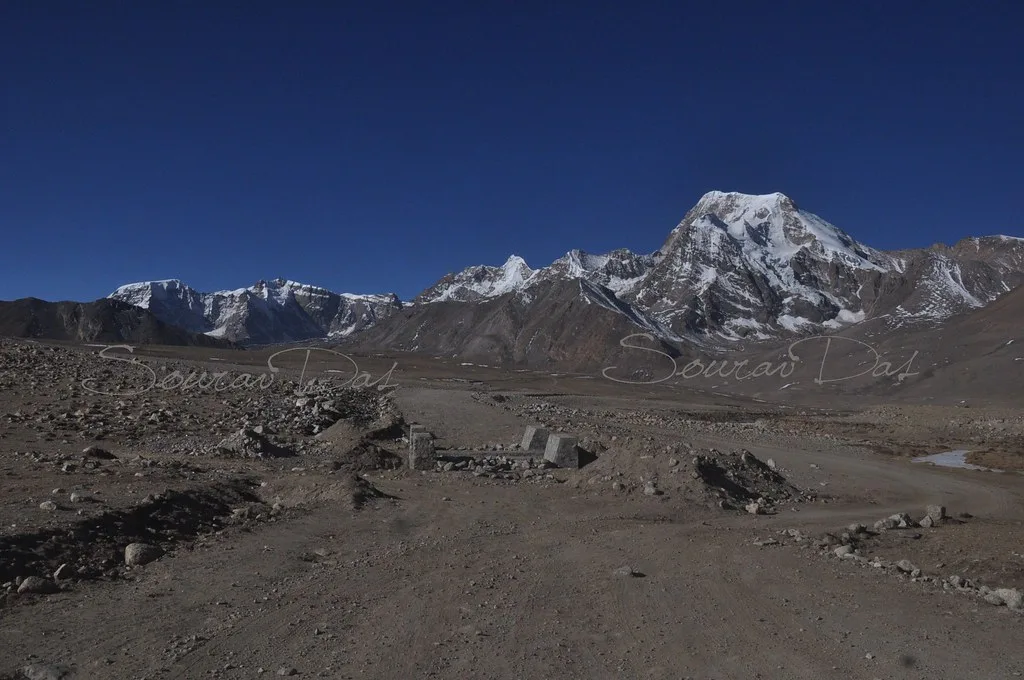
The Bairagarh-Sach Pass-Killar corridor is notorious for its extreme topography and hazardous road conditions. Situated at high altitudes in the Himalayas, the road remains open for only a limited window each year due to heavy snowfall and frequent landslides.
The region is popular among adventure tourists seeking remote mountain passes. However, the lack of robust communication infrastructure and the precarious nature of the cliff-side roads often complicate emergency rescue efforts when incidents occur.
The Human Cost of Communication Gaps
The tragedy took a distressing turn for the families of the victims, with reports highlighting significant delays in official notification. The sister of one victim revealed she learned of her brother’s death through a Google search rather than official channels.
This communication failure has sparked concerns regarding how authorities manage information during disasters in remote areas. Families often face immense psychological trauma when waiting for updates in regions where satellite connectivity is unreliable.
Expert Perspectives on Mountain Road Safety
Transport experts note that mountain roads in Himachal Pradesh face increasing pressure due to rising tourist traffic. According to data from the Himachal Pradesh State Disaster Management Authority, road accidents remain the leading cause of accidental death in the state, often attributed to narrow turns, lack of crash barriers, and unpredictable weather.
Safety auditors have long advocated for the installation of high-tensile steel crash barriers on vulnerable stretches of the Chamba-Killar road. While some improvements have been made, the sheer scale of the terrain makes comprehensive safety coverage an ongoing logistical challenge.
Industry and Regulatory Implications
The incident has prompted calls for stricter oversight of tourist taxi operators traversing high-altitude routes. Local officials are under pressure to mandate GPS tracking for all commercial vehicles operating on the Churah-Sach Pass circuit to ensure real-time location monitoring.
For the tourism industry, this event serves as a stark reminder of the risks associated with promoting remote, high-altitude travel without adequate safety infrastructure. Tour operators may soon face more rigorous licensing requirements, particularly for vehicles venturing into high-risk zones after dark.
Looking ahead, stakeholders in the transport and tourism sectors are watching for potential government mandates regarding night-time travel restrictions on the Sach Pass route. As the monsoon season approaches, the focus is shifting toward whether local administrations will implement mandatory convoy systems or heightened patrol measures to prevent further loss of life on these high-altitude corridors.