






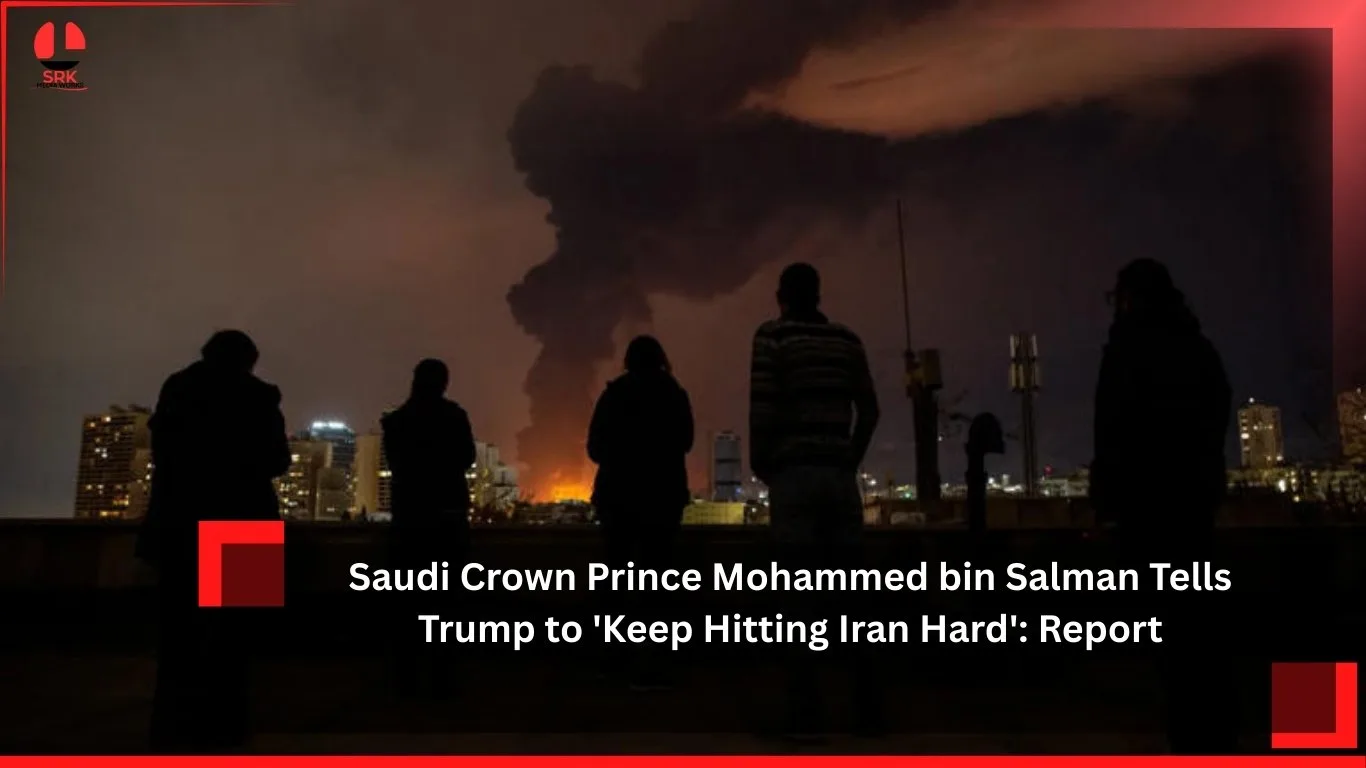
A recent report has revealed that Saudi Crown Prince Mohammed bin Salman urged US President Donald Trump to “keep hitting Iran hard,” underscoring Riyadh’s firm stance against Tehran amid escalating tensions in the Middle East. This revelation sheds light on the depth of Saudi-US cooperation and the shared strategic interests in countering Iran’s regional influence.
Background of the Statement
The Crown Prince’s remarks reportedly came during high-level discussions on regional security. With Iran’s growing military presence and alleged support for proxy groups across the Middle East, Saudi Arabia has consistently aligned itself with Washington’s hardline approach. Trump’s administration has already pursued aggressive policies against Iran, including sanctions, military strikes, and diplomatic isolation.
The Crown Prince’s endorsement of continued pressure reflects Saudi Arabia’s concerns about Iran’s destabilizing role in the region, particularly in Yemen, Syria, and Iraq.
Saudi Arabia’s Strategic Concerns
Saudi Arabia views Iran as its primary regional rival. Key concerns include:
- Proxy Conflicts: Iran’s support for groups in Yemen, Lebanon, and Iraq.
- Nuclear Ambitions: Tehran’s nuclear program remains a major worry for Riyadh.
- Regional Influence: Iran’s growing ties with Russia and China challenge Saudi dominance.
- Security Threats: Drone and missile attacks allegedly backed by Iran have targeted Saudi oil facilities.
US-Saudi Cooperation
The US and Saudi Arabia share a longstanding strategic partnership. Trump’s administration strengthened this alliance through:
- Defense Agreements: Billions in arms sales to Saudi Arabia.
- Joint Military Operations: Cooperation in counterterrorism and regional security.
- Diplomatic Alignment: Shared opposition to Iran’s nuclear program and regional expansion.
Comparative Analysis of Positions
| Dimension | Saudi Arabia’s Position | US Position | Impact |
|---|---|---|---|
| Iran Policy | Aggressive containment | Maximum pressure strategy | Heightened tensions |
| Military Strategy | Defensive and retaliatory | Offensive strikes and sanctions | Regional instability |
| Economic Interests | Protect oil exports | Secure global energy markets | Volatile oil prices |
| Diplomatic Goals | Isolate Iran regionally | Isolate Iran globally | Polarized alliances |
Pivot Analysis of Global Impact
| Factor | Positive for Saudi-US Alliance | Negative for Iran | Neutral/Global Impact |
|---|---|---|---|
| Security | Strengthened cooperation | Increased isolation | Risk of escalation |
| Energy | Protection of oil facilities | Economic pressure | Global oil market volatility |
| Diplomacy | Unified stance against Iran | Reduced diplomatic options | Multipolar realignment |
| Military | Enhanced deterrence | Proxy groups weakened | Rising regional tensions |
Historical Context
Saudi Arabia and Iran have been locked in rivalry for decades, with conflicts in Yemen, Syria, and Lebanon serving as battlegrounds for their competing interests. The US has traditionally sided with Riyadh, viewing Iran as a destabilizing force. Trump’s administration intensified this dynamic, aligning closely with Saudi Arabia’s calls for tougher action.
Possible Scenarios
- Escalation of Conflict: Continued strikes could lead to direct confrontation between Iran and Saudi-US forces.
- Proxy Intensification: Iran may expand support for allied groups in Yemen and Lebanon.
- Diplomatic Fallout: Global powers like Russia and China may intervene to counterbalance US-Saudi actions.
- Energy Crisis: Attacks on oil infrastructure could destabilize global markets.
Global Reactions
- European Union: Likely to call for restraint and diplomatic solutions.
- Russia and China: May strengthen ties with Iran to counterbalance US-Saudi influence.
- Middle Eastern Neighbors: Divided, with some supporting Saudi Arabia and others wary of escalation.
- International Organizations: Concerned about humanitarian fallout from intensified conflict.
Conclusion
The reported statement by Crown Prince Mohammed bin Salman urging Trump to “keep hitting Iran hard” highlights the deep alignment between Saudi Arabia and the United States in their approach to Tehran. While the move strengthens bilateral ties, it also raises the risk of escalating tensions in an already volatile region. The coming months will determine whether this aggressive stance leads to greater stability through deterrence or plunges the Middle East into deeper conflict.
Disclaimer
This article is based on reports and political statements regarding Saudi-US discussions on Iran. The details of the conversations remain unverified, and interpretations are subject to change as new information emerges. The content is intended for informational and analytical purposes only.


