


Commuter Teena Choudhry confronted Maharashtra Minister Girish Mahajan on a public roadway this week, alleging that she remained trapped in a severe traffic gridlock for over an hour without any assistance or intervention from local law enforcement. The incident, which occurred near the Mahindra Taaz junction, highlights growing public frustration regarding the prioritization of VIP movement over the daily mobility of ordinary citizens in urban Maharashtra.
Context of Urban Congestion
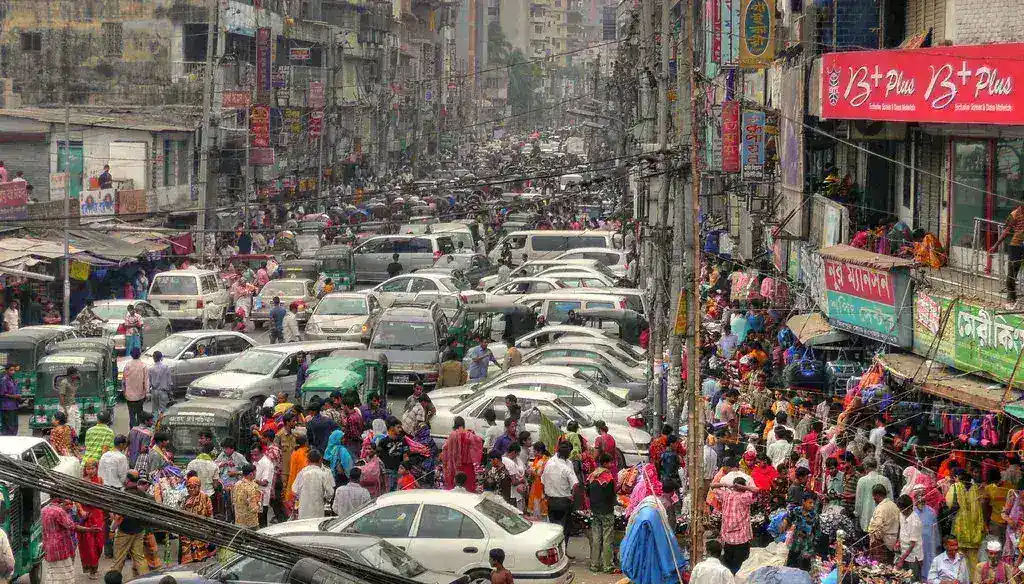
Traffic management in Maharashtra’s expanding urban corridors has become a flashpoint for public debate, as rapid infrastructure development often fails to keep pace with the exponential increase in vehicle density. Road blockages caused by the movement of high-profile political figures frequently exacerbate existing bottlenecks, leading to significant delays for commuters.
Under current protocol, the police are tasked with managing traffic flow during the passage of ministers and high-ranking officials. However, citizens have increasingly reported that these measures often result in extended wait times for the general public, leading to accusations of preferential treatment and inefficient traffic regulation.
The Incident at Mahindra Taaz
Choudhry’s account details a prolonged period of immobility near the Mahindra Taaz area, where she claims she was left without guidance or support from police personnel stationed nearby. Despite the presence of officers, she reported that her attempts to seek clarity or assistance were met with silence, prompting her to approach the minister directly to voice her grievances.
The confrontation has since circulated widely on social media, drawing attention to the disconnect between government officials and the logistical challenges faced by the public. While security protocols mandate that ministers maintain a specific pace for safety reasons, critics argue that these procedures should not come at the cost of public accessibility and basic traffic management standards.
Expert Perspectives and Data
Urban planning experts note that the lack of real-time communication between traffic authorities and the public is a primary driver of such incidents. According to data from the TomTom Traffic Index, cities in Maharashtra consistently rank among the most congested in India, with commuters losing hundreds of hours annually to gridlock.
“The issue is not just the volume of traffic, but the lack of transparency in how corridors are cleared for VIPs,” says independent transit analyst Ravi Shankar. “When police prioritize a single vehicle over thousands of others without providing information or alternative routes, it erodes trust in public administration and exacerbates existing road rage incidents.”
Broader Implications for Governance
For the average commuter, this incident underscores the urgent need for a more equitable approach to road management. Industry observers suggest that the government must modernize its traffic control systems to include real-time updates and more flexible protocols that minimize the impact of political movement on public transit.
Moving forward, the focus will likely shift toward the implementation of more robust traffic management policies. Observers will be watching to see if the state government introduces new guidelines to curb the disruption caused by VIP convoys, or if the current status quo remains, potentially leading to further public confrontations and increased scrutiny from civil society groups.