





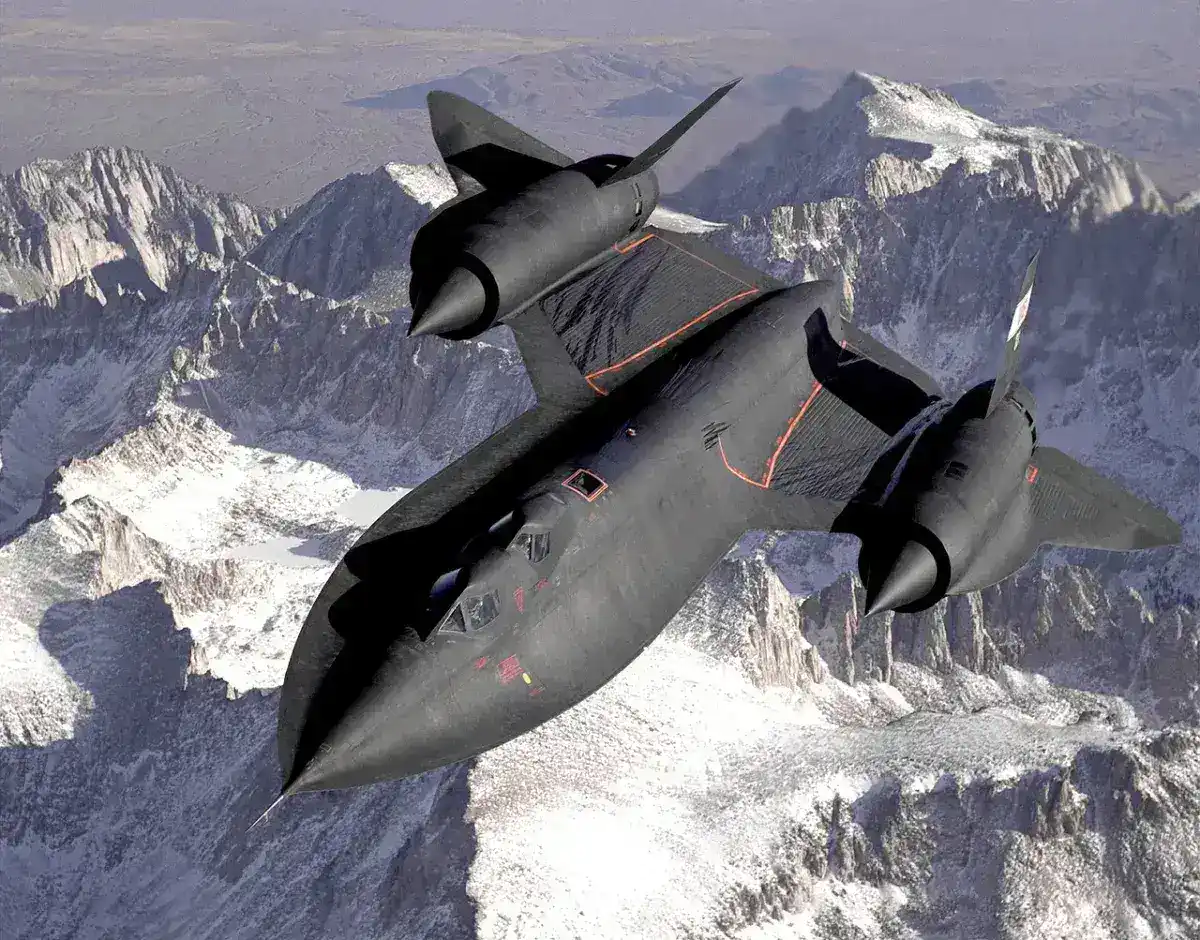
A team of students at the Indian Institute of Technology (IIT) Jammu has developed a novel drone capable of evading radar detection and radio frequency jamming, marking a significant advancement in autonomous aerial technology. By moving away from traditional communication protocols, this prototype addresses critical vulnerabilities in current unmanned aerial vehicle (UAV) systems that are frequently susceptible to electronic warfare countermeasures.
Contextualizing Electronic Vulnerability
Modern drone operations rely heavily on Radio Frequency (RF) signals to maintain communication between the operator and the aircraft. Adversaries routinely exploit this reliance through signal jamming, which disrupts control links and leaves drones vulnerable to crashes or hijacking. The IIT Jammu project seeks to mitigate these risks by incorporating specialized hardware that eliminates the reliance on conventional, detectable frequency bands.
Technological Breakthrough in Stealth
The core innovation of the IIT Jammu drone lies in its signal-agnostic communication architecture. Unlike commercial UAVs that broadcast a wide electromagnetic footprint, this system utilizes a proprietary transmission method that renders the device nearly invisible to standard signal interceptors. By minimizing the electromagnetic signature, the drone effectively bypasses the electronic fences that typically ground conventional units in contested environments.
This development comes at a time when global interest in drone security is at an all-time high. Recent geopolitical conflicts have demonstrated that inexpensive jamming technology can neutralize multi-million dollar aerial assets. The IIT Jammu design prioritizes resilience, ensuring that the drone remains operational even when surrounded by active electronic interference.
Expert Perspectives and Strategic Utility
Defense analysts note that the shift toward autonomous, non-RF-reliant navigation is the next frontier in aerospace engineering. While the project is currently in the prototype stage, the implications for military and surveillance applications are substantial. By removing the “digital tether” that traditional drones require, the IIT Jammu model offers a blueprint for more robust, mission-critical aerial surveillance.
Data from recent defense industry reports suggests that the market for anti-jamming navigation technology will grow by over 12% annually through 2030. The IIT Jammu team’s focus on low-signature communication aligns with the broader push for “silent” autonomy. This technology could eventually see integration into search-and-rescue operations in disaster zones where communication infrastructure is non-existent or compromised.
Future Implications and Operational Hurdles
The primary challenge ahead for the research team involves scaling this technology for long-endurance flights. While the prototype demonstrates high effectiveness in controlled testing environments, integrating such complex shielding into lightweight airframes requires significant power management optimization. Further development will likely focus on reducing the weight of the onboard processing units without sacrificing the drone’s stealth capabilities.
Industry observers should watch for potential partnerships between the academic team and defense contractors to facilitate field testing. The next phase of development will reveal whether this anti-jamming capability can be standardized for mass production or if it will remain a specialized tool for high-stakes intelligence gathering. As electronic warfare capabilities become more sophisticated, the ability to operate undetected will likely become the standard requirement for all future autonomous aerial systems.