




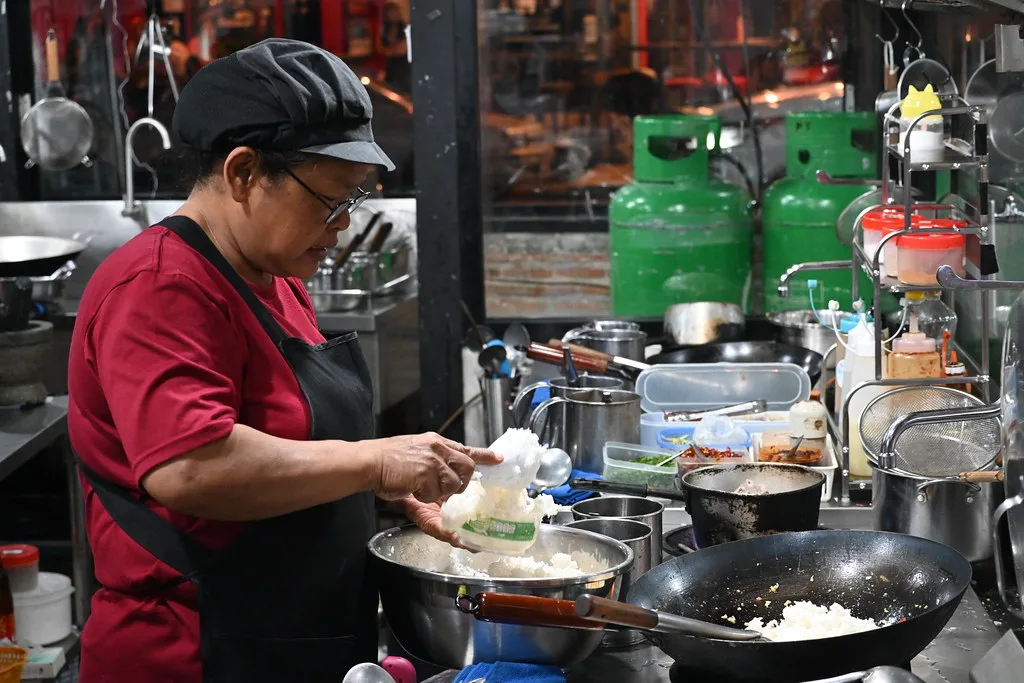
The Karnataka State Hotels Association (KSHA) and the Bruhat Bangalore Hotels Association (BHA) have formally petitioned the Union Government and Prime Minister Narendra Modi to reduce the Goods and Services Tax (GST) on commercial LPG cylinders from 18% to 5%. This demand, issued in Bangalore this week, arrives as restaurant owners across the state struggle to absorb the impact of persistent price hikes that threaten the viability of the hospitality industry.
The Burden of Rising Operational Costs
For several months, restaurant owners have faced a compounding crisis of rising input costs, driven primarily by the volatile pricing of commercial LPG cylinders. While domestic cooking gas remains subsidized or subject to lower tax brackets, commercial establishments are taxed at a higher rate, placing a disproportionate financial burden on small and medium-sized eateries.
The association argues that the hospitality sector, which acts as a major employer in Karnataka, is currently operating on razor-thin margins. Representatives claim that without immediate fiscal intervention, many operators will be forced to either raise menu prices significantly or cease operations entirely, leading to widespread job losses.
Industry Perspective and Economic Impact
Data from the KSHA indicates that fuel costs now account for a significant percentage of a restaurant’s total monthly expenditure. By aligning the GST on commercial LPG with the 5% rate applied to other essential commodities, the associations believe the government can provide the necessary relief to keep food prices affordable for consumers.
Economists note that the hospitality industry is a significant contributor to the state’s GDP and a critical source of low-skill employment. A contraction in this sector could have a ripple effect on supply chains, impacting local farmers and food processors who rely on steady demand from the restaurant trade.
Regulatory Challenges and Government Stance
The current 18% GST rate on commercial LPG is part of the broader tax framework designed to categorize specific energy products. Changing this structure requires consensus from the GST Council, which includes representatives from both state and central governments.
While the government has previously implemented subsidies for specific demographics, it has been hesitant to broadly reduce taxes on commercial energy sources to avoid inflationary pressures in other sectors. However, the KSHA maintains that the hospitality industry occupies a unique position as a provider of essential public services, warranting special consideration under the tax regime.
Future Implications for the Hospitality Sector
The outcome of this petition will likely serve as a litmus test for how the government addresses the grievances of the service sector regarding inflationary pressures. If the request is denied, industry analysts expect a consolidation of the market, where only large chains with significant capital reserves survive, potentially squeezing out independent, family-owned restaurants.
Looking ahead, stakeholders are monitoring the next GST Council meeting for any potential policy shifts regarding energy taxation. Observers suggest that if the government fails to offer relief, the KSHA may escalate its campaign through nationwide protests or coordinated efforts with hospitality unions in other states to amplify their call for economic reform.