




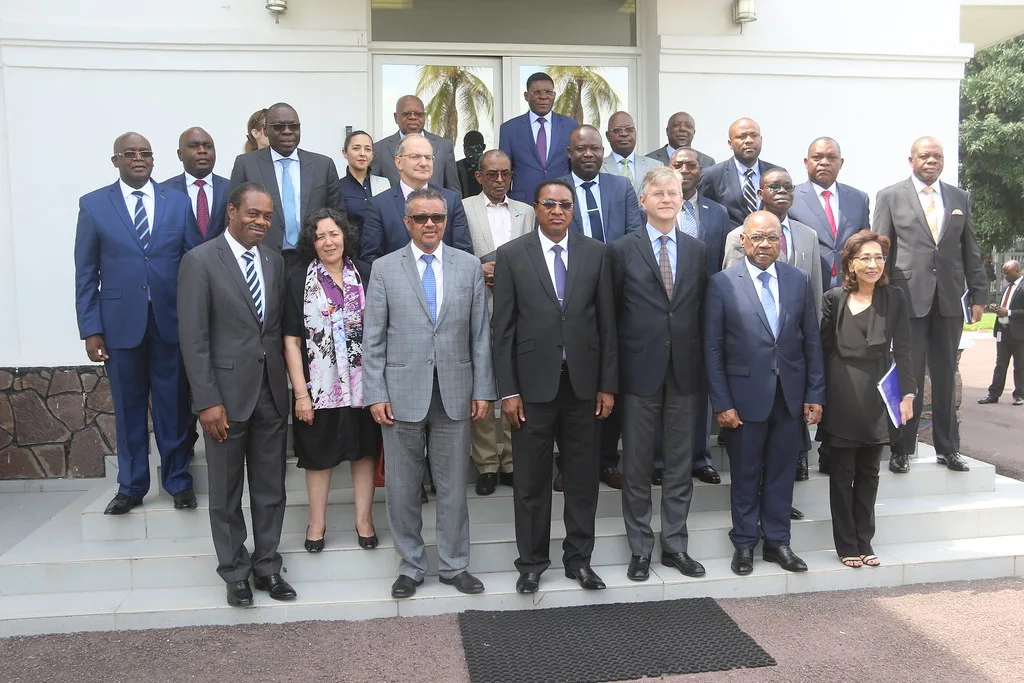
World Health Organization (WHO) Director-General Dr. Tedros Adhanom Ghebreyesus traveled to Bunia in eastern Democratic Republic of Congo on Saturday to assess a rapidly evolving outbreak of a rare Ebola strain. Despite the mobilization of advanced medical facilities and a surge in international aid, the virus is currently spreading at a pace that is outpacing the existing containment infrastructure.
Context of the Crisis
Eastern Congo has long been a volatile region, complicating public health interventions due to persistent conflict and displacement. Ebola, a severe viral hemorrhagic fever, remains a significant threat in these dense, mobile populations where contact tracing is notoriously difficult.
This current outbreak involves a distinct viral variant, forcing health agencies to adapt their standard containment protocols. While previous responses in the region have benefited from lessons learned during the 2018-2020 epidemic, the current geographical spread poses a unique logistical challenge for health workers.
Operational Challenges and Viral Spread
Health officials on the ground report that the virus is moving faster than current isolation and treatment efforts can manage. While aid organizations have successfully established better-equipped medical centers in Bunia and surrounding areas, patient influxes are testing the limits of these facilities.
The WHO notes that the primary difficulty lies in reaching remote communities where information may be scarce and trust in health authorities is historically fragile. Rapid containment requires not only medical supplies but also community engagement to ensure that suspected cases are reported and isolated immediately.
Expert Perspectives and Data
Epidemiologists warn that the nature of the current strain necessitates a more aggressive approach to vaccination and surveillance. According to recent data from health monitoring groups, the window for containing the virus within current hotspots is closing as travel between rural zones and urban centers like Bunia continues.
Dr. Tedros emphasized during his visit that the international community must provide sustained, flexible funding to bolster local health systems. Without an increase in trained personnel and rapid-response teams, the risk of the outbreak expanding into neighboring provinces remains a critical concern for regional security.
Implications for the Region
For the residents of eastern Congo, the escalating outbreak threatens to destabilize local economies already suffering from years of insecurity. The diversion of resources toward Ebola containment may also impact the delivery of essential health services for other diseases, such as malaria and measles, which continue to claim lives in the region.
Moving forward, the focus will shift toward the effectiveness of new experimental vaccines and the ability of the WHO to coordinate a cross-border response. Observers will be watching closely to see if the increased high-level visibility brought by the WHO Director-General‘s visit translates into the additional personnel and operational support required to break the chain of transmission before the outbreak reaches a critical, unmanageable scale.