


Urgent Response to Ebola Outbreak
World Health Organization (WHO) Director-General Dr. Tedros Adhanom Ghebreyesus arrived in the Democratic Republic of the Congo this week to coordinate an intensifying international response to a volatile Ebola outbreak. Health officials are racing to contain the virus while simultaneously battling a surge of misinformation that continues to hamper medical interventions in the region.
The Context of the Crisis
The Democratic Republic of the Congo has faced recurrent Ebola outbreaks over the past decade, often complicated by regional instability and limited infrastructure. The current surge represents a significant public health challenge, as the virus has historically shown a high mortality rate, sometimes exceeding 50 percent in untreated cases.
Healthcare teams are operating in challenging environments where trust in medical institutions is often fragile. Misinformation regarding the origin of the disease and the safety of experimental vaccines has led to local resistance, complicating contact tracing and safe burial protocols.
Operational Challenges on the Ground
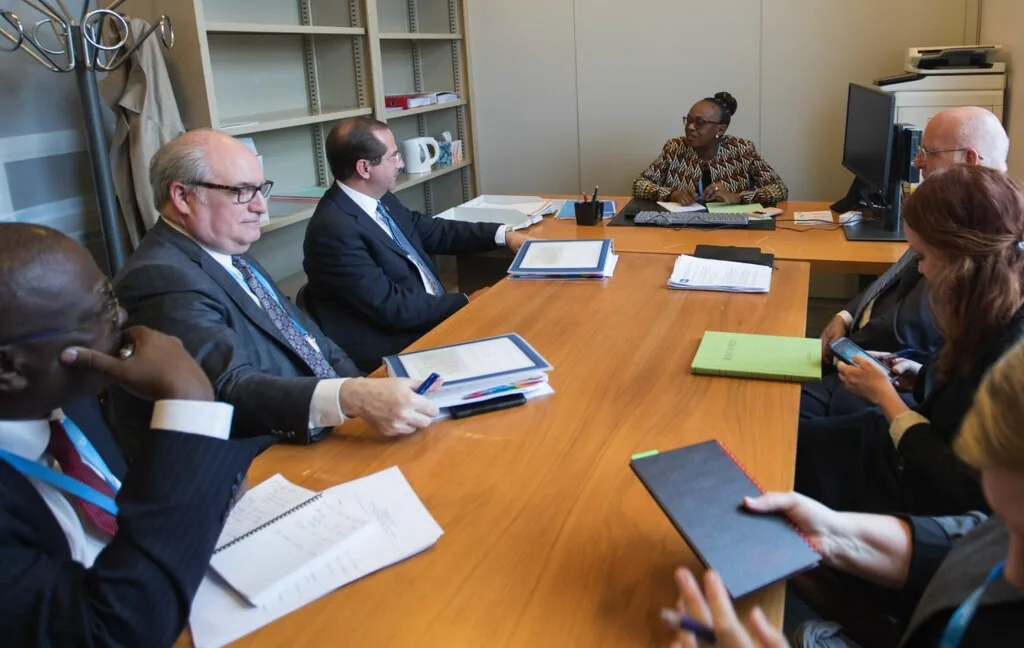
Dr. Tedros’s visit underscores the severity of the situation and the need for a unified strategy between the WHO, local government officials, and community leaders. The primary objective of the mission is to strengthen community engagement programs that aim to demystify the virus and encourage residents to seek early treatment.
Data from recent weeks indicates that while vaccination efforts are underway, the geographical spread of the virus poses a logistical nightmare. Health responders are now deploying mobile labs to remote areas to reduce the time required for testing and diagnosis.
Expert Perspectives
Epidemiologists warn that the success of containment efforts relies heavily on the ‘last mile’ of delivery. Dr. Michael Ryan, Executive Director of the WHO Health Emergencies Programme, has noted that technical solutions are insufficient without the cooperation of the local population.
Public health data suggests that when communities are integrated into the response planning, transmission rates drop significantly. Recent studies indicate that community-led surveillance is often more effective at identifying new cases than top-down government mandates in rural Congolese provinces.
Implications for Global Health
For the residents of the affected regions, the ongoing crisis means a continuation of travel restrictions and economic strain. The international community views this outbreak as a test case for global pandemic preparedness and the ability to manage localized health threats before they escalate into regional crises.
As the WHO continues its oversight, observers should watch for the integration of digital health tracking tools intended to streamline data collection in real-time. The success or failure of these initiatives during this outbreak will likely determine the protocols for future WHO responses in Sub-Saharan Africa. Future developments will also depend on the stability of the funding pipeline, as the WHO seeks to sustain medical supplies and personnel in the field through the end of the year.