




The Sudden Reversal on Settlement Funds
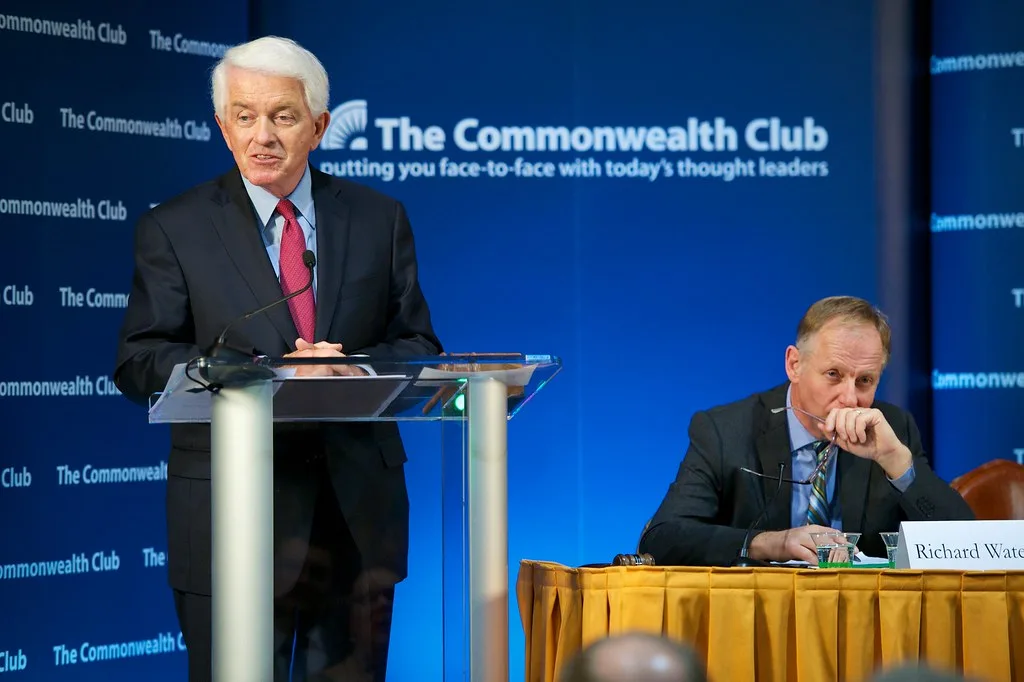
The Trump administration abruptly halted plans for a controversial $1.8 billion payout fund on Tuesday, following intense bipartisan criticism that labeled the proposal as both fiscally irresponsible and legally questionable. Acting Attorney General Todd Blanche confirmed the decision during a press briefing in Washington, D.C., stating definitively that the administration is not moving forward with the project.
The proposed fund was initially designed to address ongoing litigation issues, though the specific mechanism for distributing the $1.8 billion remained largely opaque to lawmakers. By shelving the plan, the White House seeks to mitigate growing friction with Congress, where members from both sides of the aisle had threatened to block the allocation of these funds.
The Context of the Proposed Payout
The concept of a large-scale settlement fund emerged as a strategy to consolidate various legal liabilities currently facing the administration. Proponents argued that a centralized fund would streamline the resolution of complex legal disputes, potentially saving the government time and resources in the long run.
However, the lack of transparency surrounding the fund’s origin and the criteria for payouts triggered alarm bells among fiscal conservatives and government watchdogs. Critics argued that such a significant expenditure required explicit congressional approval, which had not been secured prior to the public announcement of the fund.
Legislative and Legal Hurdles
The bipartisan backlash was swift, with key figures in the House and Senate questioning the executive branch’s authority to bypass the traditional appropriations process. Senatorial committees had already begun drafting inquiries into how the $1.8 billion figure was calculated and which specific entities would be eligible for compensation.
Legal analysts noted that the fund raised significant constitutional questions regarding the separation of powers. By attempting to resolve large-scale litigation through an administrative fund rather than through the court system, the administration faced the risk of protracted legal challenges from groups demanding more oversight.
Expert Analysis on Fiscal Policy
Policy experts suggest that the administration’s reversal reflects a pragmatic understanding of the current political climate. “When you have both parties aligning against a fiscal maneuver of this magnitude, the political capital required to push it through is simply too high,” noted Sarah Jenkins, a senior fellow at the Center for Governmental Studies.
Data from the Congressional Budget Office indicates that any deviation from established budgetary protocols often leads to significant friction with the legislative branch. The administration’s pivot serves as a reminder that executive discretion is frequently checked by the power of the purse held by Congress.
Future Implications and Monitoring
The abandonment of this fund will likely force the administration to return to traditional litigation channels to resolve its outstanding legal liabilities. Observers will now be looking to see if the White House introduces a more transparent, legally vetted alternative to address these financial obligations in future budget cycles.
Moving forward, the primary focus will be on whether the administration attempts to repurpose these funds elsewhere or if it will seek legislative approval through a more standard, committee-driven process. The move serves as a bellwether for how the current administration will handle high-stakes financial proposals in an increasingly polarized legislative environment.