




Initial Ebola Tests Return Negative in Brazil
Health authorities in Brazil confirmed this week that one of two individuals isolated under suspicion of Ebola infection has tested negative, providing a momentary reprieve for public health officials monitoring potential international spread. The patients were placed under strict quarantine protocols in the state of Rio Grande do Sul after exhibiting symptoms consistent with the virus following recent travel to the Democratic Republic of Congo. The Ministry of Health continues to monitor the second patient as the nation remains on high alert during the ongoing outbreak in Central Africa.
Contextualizing the Global Health Threat
The Democratic Republic of Congo is currently battling one of its most complex outbreaks of the Ebola virus, a highly infectious and often fatal hemorrhagic fever. The disease spreads through direct contact with the blood or bodily fluids of infected individuals, making rapid isolation and contact tracing the primary pillars of containment. International health organizations have heightened surveillance at major transit hubs to prevent the virus from moving beyond regional borders, a strategy that led to the recent isolation of the travelers in Brazil.
Clinical Realities and Recovery Potential
While Ebola remains a significant global health threat, the World Health Organization (WHO) has recently highlighted encouraging data regarding patient outcomes. The agency noted that five recent cases of recovery from the illness demonstrate that survival is possible, even in the absence of universally approved vaccines or standardized treatments. These recoveries serve as a vital data point for clinicians, suggesting that supportive care—including aggressive fluid resuscitation and symptom management—can play a decisive role in patient survival.
Surveillance and Diagnostic Precision
The diagnostic process in Brazil highlights the rigorous nature of modern infectious disease control. Health officials utilized high-containment laboratory facilities to perform molecular testing, which is required to confirm or rule out the presence of Ebola virus RNA. The speed of these results is critical, as public health departments must balance the need for patient privacy and calm with the necessity of transparent, rapid public health communication.
Implications for Global Health Security
The incident in Brazil underscores the interconnected nature of modern travel and disease transmission. For the healthcare industry, this reinforces the need for robust screening protocols at international borders and the continuous training of medical staff in handling highly infectious pathogens. As the WHO continues to coordinate with the Congolese government, the global medical community is focusing on accelerating vaccine distribution and therapeutic research to shift the tide against the outbreak.
Future Outlook and Monitoring
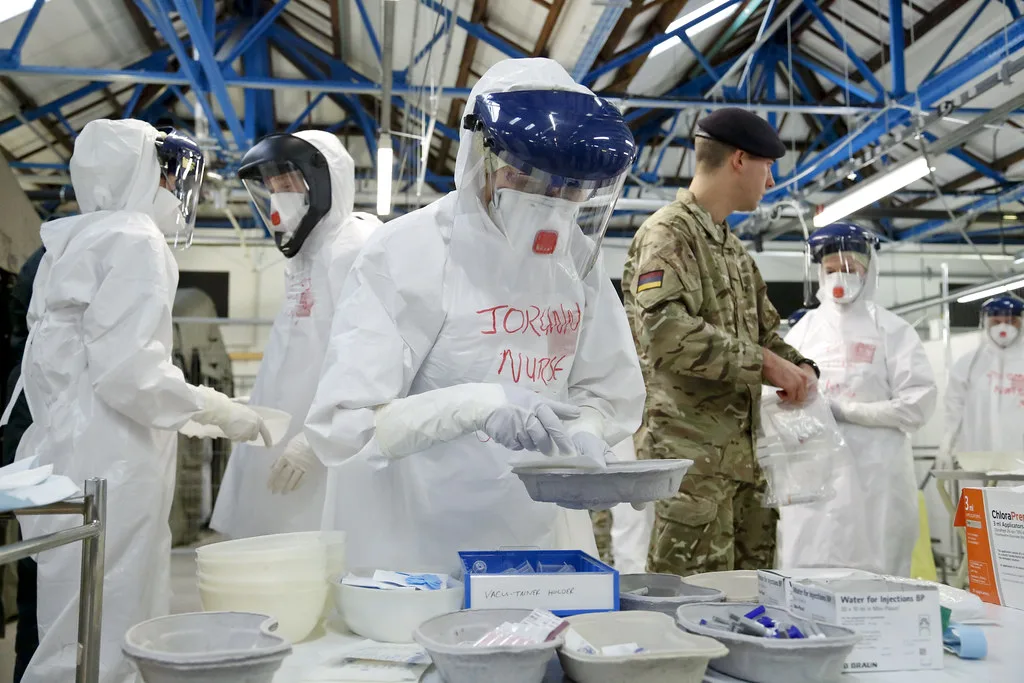
Looking ahead, health experts are watching for the results of the second patient in Brazil and the evolution of the outbreak in the Congo. The focus remains on strengthening local healthcare infrastructure and ensuring that frontline workers have access to personal protective equipment and advanced diagnostic tools. Future efforts will likely prioritize the deployment of experimental vaccines to high-risk zones, potentially changing the trajectory of future transmission cycles.