






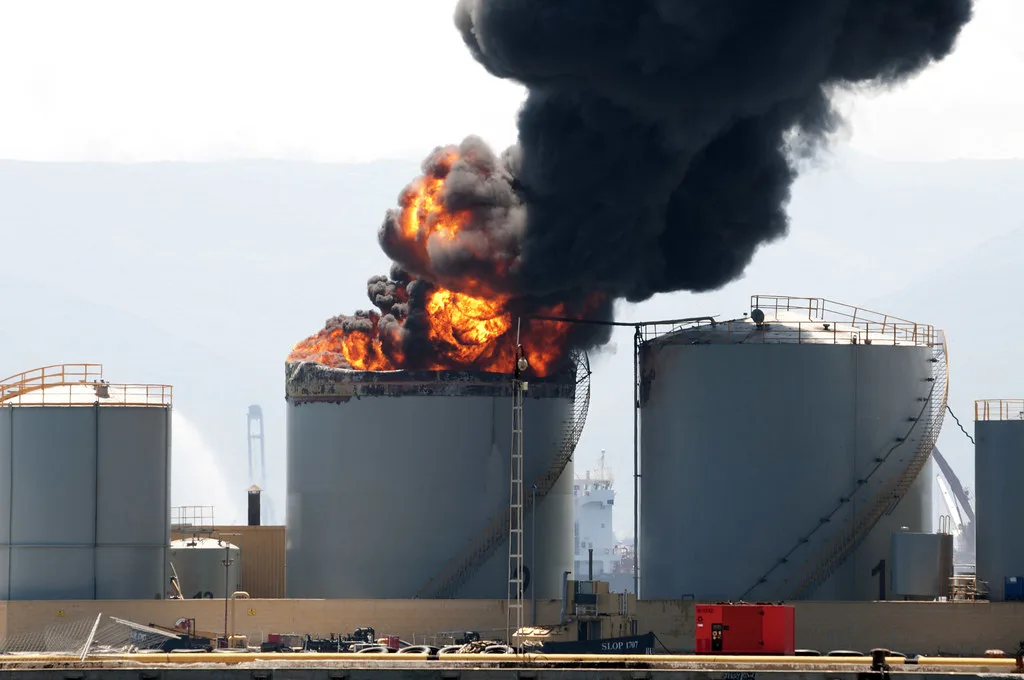
Emergency crews are currently battling a significant blaze at Tata Steel’s Port Talbot steelworks in Wales, which erupted early Wednesday morning, forcing a temporary shutdown of site operations. South Wales Fire and Rescue Service deployed multiple appliances to the sprawling industrial facility after reports of an explosion and subsequent fire emerged, though the company has confirmed that all personnel have been accounted for with no serious injuries reported.
Context and Operational Impact
The Port Talbot plant serves as the largest steelmaking site in the United Kingdom, functioning as a critical pillar of the nation’s manufacturing infrastructure. Tata Steel, a subsidiary of the Indian multinational Tata Group, has been navigating a period of transition as it works to decarbonize its operations and modernize its aging blast furnaces.
This incident occurs at a sensitive time for the British steel industry, which is currently undergoing a massive structural shift. The government and Tata Steel recently agreed on a £1.25 billion investment package to replace the site’s coal-powered blast furnaces with more environmentally friendly electric arc furnaces, a project intended to secure the long-term future of the site.
Details of the Incident
Initial reports indicate that the fire originated in the vicinity of the plant’s secondary steelmaking facilities. While the exact cause remains under investigation, company spokespeople stated that emergency protocols were triggered immediately, effectively isolating the affected area to prevent the fire from spreading to more volatile sections of the refinery.
Local residents were advised to keep windows and doors closed as a precautionary measure while smoke plumes billowed over the Bristol Channel. Air quality monitoring units were deployed by environmental agencies to ensure that emissions from the fire did not pose a significant public health risk to the surrounding community.
Expert Perspectives and Industrial Challenges
Industry analysts suggest that any prolonged disruption at Port Talbot could have ripple effects across the U.K. automotive and construction supply chains, which rely heavily on the site’s domestic output. Steel production is a high-risk environment, and aging infrastructure often poses significant maintenance challenges during the transition to greener technologies.
Data from the World Steel Association highlights that maintaining safety standards during the operational phase-out of traditional blast furnaces is a primary concern for steelmakers globally. The incident serves as a stark reminder of the inherent operational risks associated with heavy industrial manufacturing during periods of complex technological transition.
Industry Implications and Future Outlook
For Tata Steel, the immediate priority is the full containment of the fire and a thorough safety audit of the affected infrastructure. The company must now balance the logistical challenge of emergency repairs with the ambitious timeline of its decarbonization roadmap.
Stakeholders will be watching closely to see if this incident delays the planned transition to electric arc furnace technology. Moving forward, observers should monitor updates regarding the integrity of the site’s power grid and whether the fire will necessitate a revised timeline for the plant’s long-term modernization strategy.


