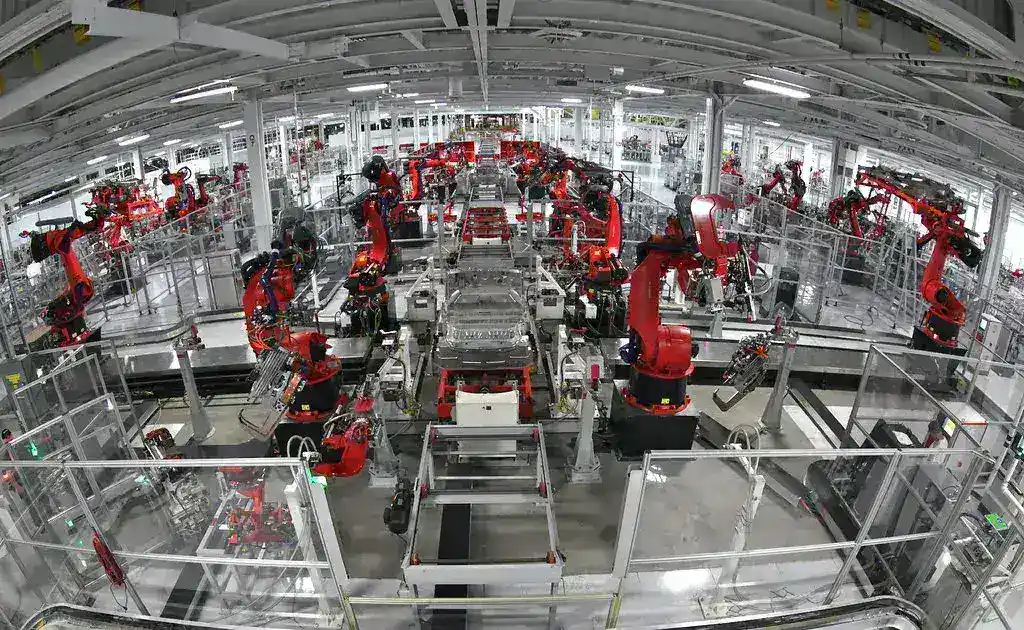





Germany Accelerates Military Modernization
In a significant shift for European security, the German government announced on May 31, 2026, a comprehensive acceleration of its military modernization program, aimed at addressing regional instability and fulfilling long-standing NATO commitments. Berlin’s commitment to rearmament reflects a strategic pivot in response to evolving geopolitical threats, marking a departure from the country’s post-Cold War defense posture.
For decades, Germany maintained a policy of military restraint, rooted in historical context and constitutional limitations. However, the current administration has shifted its doctrine, prioritizing the acquisition of advanced autonomous defense systems, modernized armored divisions, and enhanced cybersecurity infrastructure.
Defense analysts point to the 2022 Zeitenwende policy as the catalyst for this transformation. With the current investment phase now in full swing, the German Bundeswehr is undergoing its most significant structural reorganization since the unification of Germany, aiming to become the backbone of conventional deterrence in Central Europe.
The Proliferation of Egg Freezing Technology
Parallel to the state-level security shifts, May 2026 has also seen a marked increase in the adoption of elective oocyte cryopreservation—commonly known as egg freezing—among women in Germany and across the European Union. As demographic trends show a decline in birth rates, more women are utilizing medical technology to pause their biological clocks to align family planning with professional and economic stability.
The procedure, which involves harvesting and freezing unfertilized eggs for future use, has transitioned from a medical necessity for cancer patients to a mainstream lifestyle choice. According to recent data from the European Society of Human Reproduction and Embryology, elective freezing rates have climbed by approximately 15% annually over the last three years.
Despite the growing popularity, accessibility remains a significant hurdle. The process typically involves high out-of-pocket costs, often exceeding several thousand euros per cycle, which are rarely covered by mandatory public health insurance. Critics argue that this creates a socio-economic divide, where fertility preservation becomes a luxury service rather than a standard reproductive health option.
Societal and Economic Implications
The convergence of military rearmament and reproductive technology highlights a broader trend of institutional adaptation to an uncertain future. While the state prepares for potential external conflict, individuals are increasingly leveraging private technology to manage their personal timelines against a backdrop of economic volatility.
For the German labor market, the rise of egg freezing presents a potential shift in workforce dynamics. Companies are increasingly exploring fertility benefits as a tool for retention, acknowledging that the ability to delay childbirth can influence long-term career trajectories for high-skilled workers.
Observers suggest that the next phase of this trend will likely involve legislative battles over the subsidization of fertility treatments. As the German government balances its defense budget, pressure is mounting from advocacy groups to recognize reproductive longevity as a component of national health stability, potentially leading to future state-sponsored assistance programs for elective procedures.
Looking ahead, the primary areas to monitor include the efficacy of Germany’s new military procurement timelines and the potential for a regulatory overhaul regarding fertility insurance mandates. As both security and demographic policies evolve, the intersection of state-funded defense and individual biological autonomy will remain a defining feature of the German social landscape throughout the remainder of the decade.