




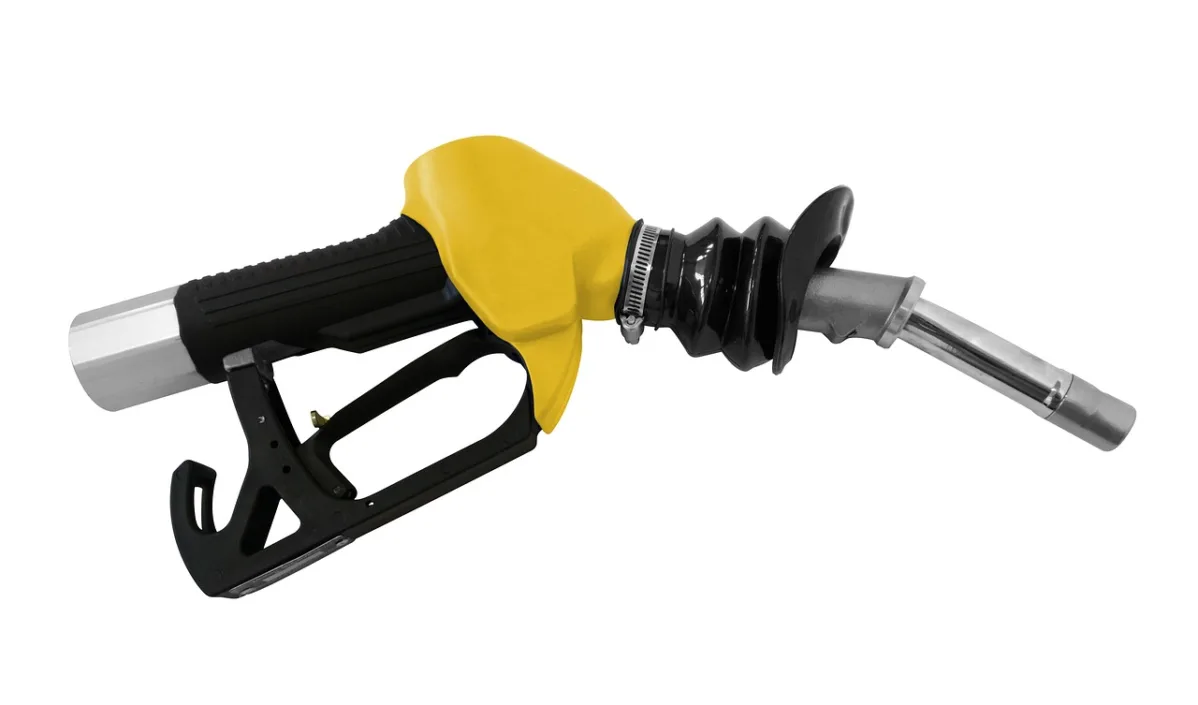
Union Minister for Petroleum and Natural Gas, Hardeep Singh Puri, announced in New Delhi this week that India will deploy 500 dedicated ethanol dispensing stations by the end of 2024. This aggressive infrastructure expansion serves as the cornerstone of the government’s broader strategy to scale up the adoption of flex-fuel vehicles (FFVs) and drastically reduce the nation’s reliance on costly crude oil imports.
The Strategic Shift Toward Biofuels
The transition toward ethanol-blended fuel is a critical component of India’s energy security roadmap. By leveraging agricultural waste and sugarcane byproducts, the government aims to transform the automotive sector from a heavy dependence on fossil fuels to a more sustainable, domestically sourced energy model.
The initiative gained significant momentum with the unveiling of Maruti Suzuki’s prototype WagonR flex-fuel vehicle. This move signals a collaborative effort between the state and major automotive manufacturers to provide consumers with viable, eco-friendly alternatives to traditional gasoline engines.
Scaling Infrastructure for a National Goal
The plan to reach 500 stations by December is merely the initial phase of a much larger industrial rollout. Government targets indicate a rapid acceleration of this network, with plans to establish 5,000 ethanol pumps across the country by 2027.
To support this infrastructure, the Ministry of Petroleum is introducing a tiered system of pricing incentives. These measures are designed to encourage oil marketing companies to prioritize the installation of ethanol-compatible pumps in high-traffic urban corridors and rural agricultural hubs alike.
Economic and Environmental Impacts
Data from the Ministry of Petroleum and Natural Gas suggests that India currently spends billions of dollars annually on fuel imports. Increasing the ethanol blend percentage—moving toward the E20 target of 20% ethanol in petrol—directly correlates to a reduction in the national trade deficit.
Energy analysts note that the environmental benefits are equally significant. Ethanol combustion produces fewer tailpipe emissions compared to pure gasoline, potentially lowering carbon footprints in India’s most congested metropolitan areas.
Industry Implications and Future Outlook
For the automotive industry, the transition requires a substantial retooling of engine technology to handle varying concentrations of ethanol. Manufacturers are currently navigating the complexities of engine calibration and materials science to ensure that flex-fuel vehicles maintain performance and durability under diverse climatic conditions.
Consumers can expect to see a gradual shift in retail fuel availability over the next three years. As the network of 5,000 stations nears completion, the market for flex-fuel vehicles is projected to expand significantly, making these cars a mainstream choice rather than a niche alternative.
Industry observers should watch for upcoming policy announcements regarding potential tax subsidies for flex-fuel vehicle buyers. Furthermore, the stability of ethanol supply chains, particularly regarding seasonal agricultural output, will be the primary metric for determining the long-term success of this ambitious energy policy.