





New Delhi, India – March 1, 2023 – Foreign ministers from the Quadrilateral Security Dialogue (Quad) nations—Australia, India, Japan, and the United States—convened in New Delhi today for critical discussions aimed at reinforcing stability and cooperation within the Indo-Pacific region. The meeting, held against a backdrop of escalating geopolitical tensions, including turmoil in West Asia, focused on enhancing maritime security, countering disinformation, and promoting a free and open Indo-Pacific.
Context of the Quad Initiative
The Quad, a strategic forum comprising four major Indo-Pacific democracies, has steadily gained prominence as a platform for addressing shared challenges and advancing common interests. Originally conceived to coordinate responses to the 2004 Indian Ocean tsunami, it has evolved into a significant security and economic dialogue mechanism.
Its resurgence in recent years is largely seen as a response to China’s growing assertiveness in the Indo-Pacific. The group emphasizes a rules-based international order and the importance of maintaining freedom of navigation and overflight in critical sea lanes.
Key Agenda Items and Discussions
The New Delhi meeting prioritized several key areas. Maritime domain awareness was a central theme, with ministers discussing ways to enhance information sharing and joint exercises to ensure safe and secure sea lanes. This includes combating illegal, unreported, and unregulated (IUU) fishing and protecting critical undersea infrastructure.
Countering disinformation and promoting cybersecurity were also high on the agenda. The ministers recognized the increasing threat posed by state-sponsored disinformation campaigns and committed to collaborative efforts to build resilience against such activities.
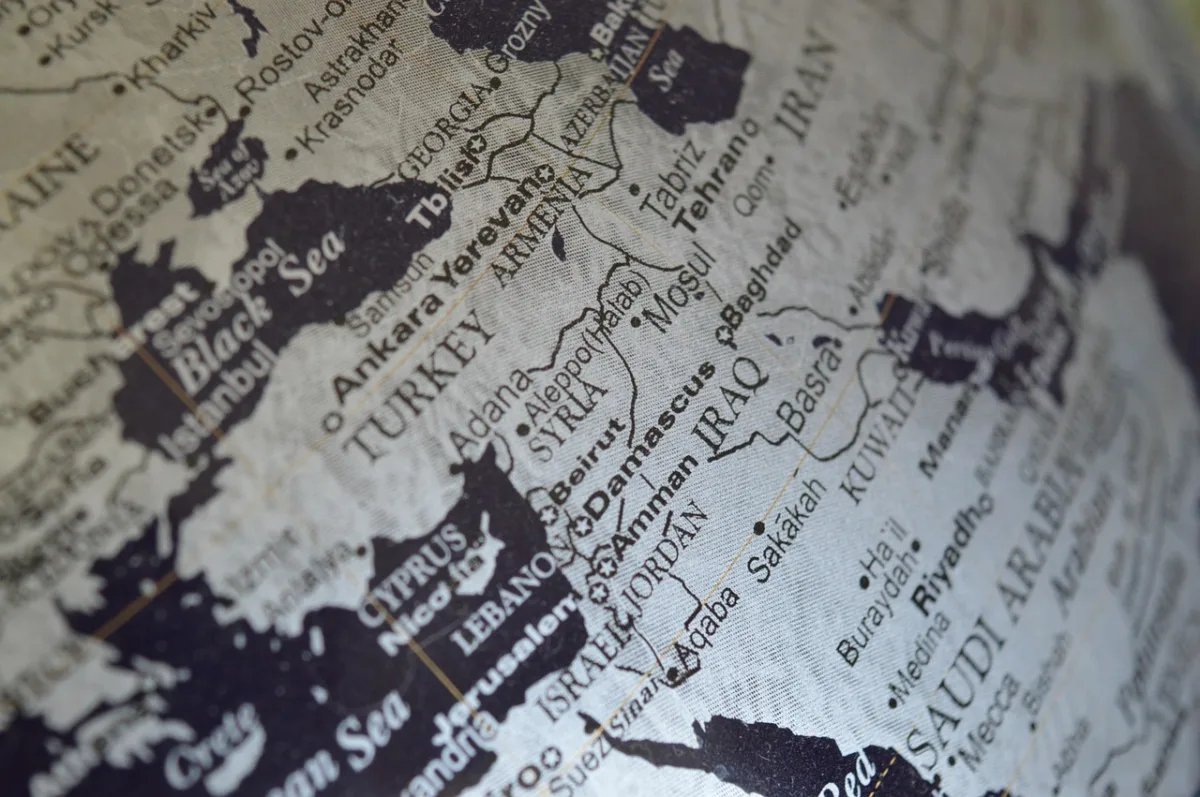
Discussions also touched upon critical and emerging technologies, supply chain resilience, and climate change initiatives, reflecting the Quad’s broad mandate. The ongoing conflict in West Asia was a significant point of discussion, with ministers exchanging views on regional security and the need for de-escalation.
Shifting Dynamics and Future Summits
While the Quad summits have historically been annual events, recent reports indicate a potential shift in scheduling. India, having hosted this year’s ministerial meeting, is expected to pass on the responsibility of hosting future annual summits to Australia. This adjustment is reportedly due to scheduling complexities rather than a diminution of the Quad’s strategic importance.
This flexibility in hosting arrangements underscores the Quad’s pragmatic approach to cooperation, adapting to the logistical capabilities and priorities of its member nations.
Expert Perspectives and Data
Analysts view the Quad’s continued engagement as crucial for maintaining regional equilibrium. “The Quad represents a vital network for democratic nations in the Indo-Pacific to coordinate their responses to a complex security environment,” stated Dr. Anya Sharma, a senior fellow at the Institute for Strategic Studies. “Its focus on practical cooperation in areas like maritime security and technological resilience is precisely what is needed at this juncture.”
Data from the International Maritime Organization highlights that over 80% of global trade by volume is carried by sea, with a significant portion traversing the Indo-Pacific. This underscores the strategic importance of the region’s maritime security, a core focus of the Quad.
Implications for the Indo-Pacific and Beyond
The outcomes of the New Delhi meeting are expected to translate into tangible actions on the ground, strengthening the collective capacity of the Quad nations to respond to shared threats. For regional players, the Quad’s renewed commitment signals a dedication to a stable and prosperous Indo-Pacific.
The emphasis on countering disinformation and enhancing cybersecurity will have direct implications for digital governance and information integrity across the region. Furthermore, the collaboration on critical technologies and supply chains aims to foster economic resilience in the face of global disruptions.
Looking ahead, attention will be on how the Quad translates these discussions into concrete joint initiatives and operational capabilities. The successful implementation of these strategies will be key to its long-term effectiveness in shaping the future of the Indo-Pacific.