





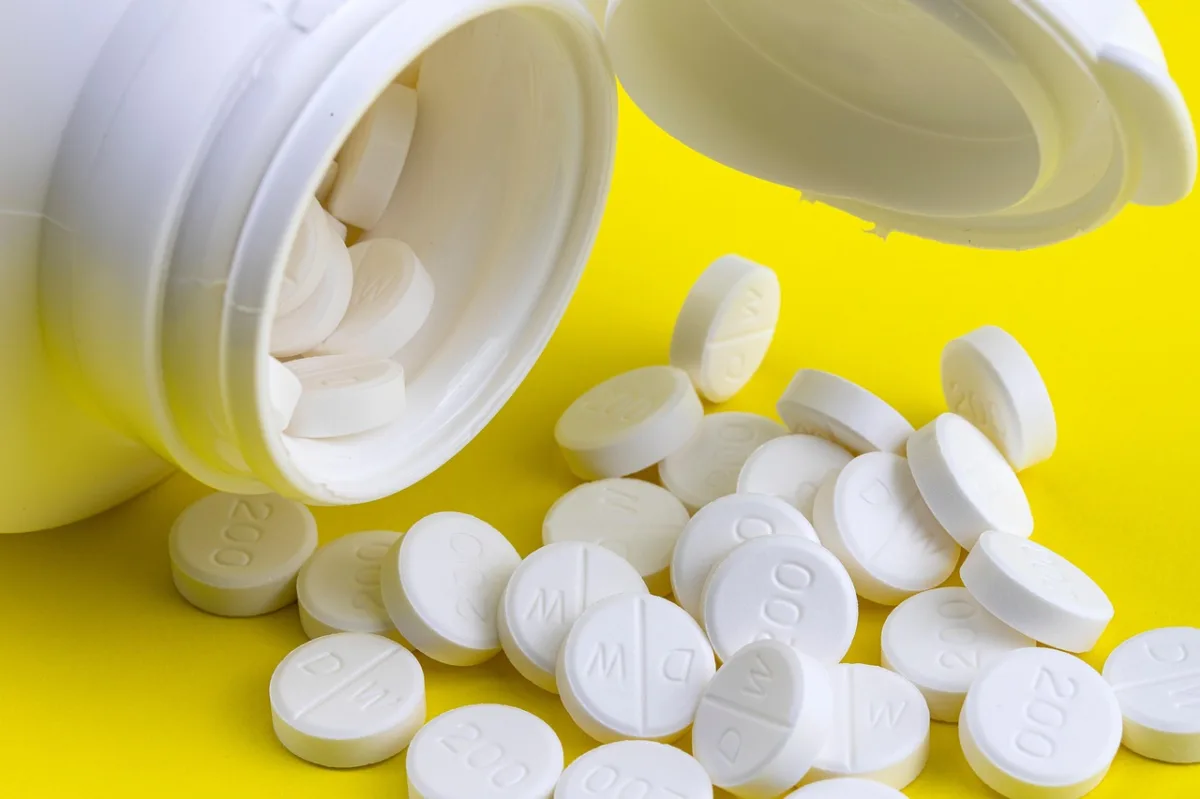
A recent study has revealed a concerning trend in American middle and high schools, where one in four teenagers reports having abused prescription stimulants intended for attention deficit hyperactivity disorder (ADHD) within the past year. This widespread misuse of medications like Adderall and Ritalin highlights an urgent public health crisis as students increasingly turn to these substances to manage academic pressure, social anxiety, or recreational experimentation.
The Context of Prescription Stimulant Misuse
Prescription stimulants are classified as Schedule II controlled substances by the Drug Enforcement Administration (DEA) because of their high potential for abuse and dependency. While these medications are highly effective for individuals clinically diagnosed with ADHD, they are frequently diverted from their intended patients to peers who seek cognitive enhancement or euphoria.
The prevalence of these drugs in school environments has grown alongside increasing academic competition. Many students operate under the false assumption that these medications are “study drugs” that improve focus and memory, despite limited evidence supporting cognitive performance benefits in individuals without ADHD.
Analyzing the Scope of the Problem
The study data suggests that the availability of these medications is largely driven by peer-to-peer distribution. Students often obtain the pills from friends or classmates who have legitimate prescriptions, making the drugs easier to access than illegal street narcotics.
Public health experts point to a lack of awareness regarding the side effects of non-prescribed stimulant use. Potential risks include increased heart rate, elevated blood pressure, anxiety, sleep disturbances, and in severe cases, cardiovascular complications. The normalization of “pill sharing” among teenagers has masked these dangers, framing the behavior as a common academic strategy rather than a serious health risk.
Expert Perspectives and Clinical Data
Medical professionals emphasize that the brain development occurring during adolescence makes this demographic particularly vulnerable to the addictive properties of stimulants. Dr. Sarah Jenkins, a pediatric psychiatrist, notes that the misuse of these drugs can interfere with natural dopamine regulation, potentially leading to long-term dependency issues that persist into adulthood.
Recent data from the National Institute on Drug Abuse (NIDA) underscores that while overall illicit drug use among teens has fluctuated, the diversion of prescription medications remains a persistent challenge for school administrators and parents alike. The ease with which these medications can be obtained highlights a systemic breakdown in the monitoring of controlled substances within households.
Implications for Schools and Families
For educators and school administrators, these findings necessitate a reevaluation of current drug prevention programs. Many existing curricula focus on illicit street drugs, often overlooking the nuanced dangers of prescription medication misuse that is occurring right inside the classroom.
Families are also encouraged to secure all medications in locked containers, ensuring that prescriptions are not accessible to children or their friends. Pharmacists and physicians play a critical role as well, as they must ensure that parents and patients understand the legal and health implications of sharing or selling prescribed stimulants.
Looking ahead, the focus will likely shift toward more robust monitoring systems for prescription refills and increased educational outreach. Observers are watching to see if school districts will implement stricter screening protocols or if policymakers will introduce legislation to address the diversion of ADHD medications. The critical challenge remains to balance the legitimate medical needs of students with ADHD against the growing trend of recreational or performance-based misuse.