




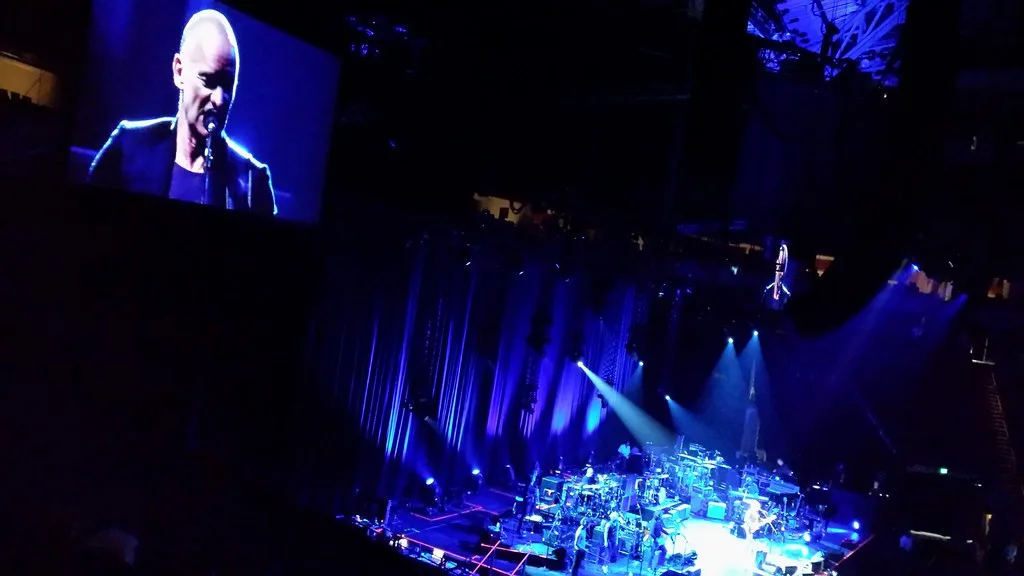
Legendary musician Sting is currently redefining his creative boundaries while maintaining a rigorous international touring schedule, continuing a career that has spanned over four decades. As one of the world’s most successful songwriters, the former frontman of The Police has sold more than 100 million records, yet he remains actively committed to exploring new artistic mediums beyond his traditional rock and pop roots.
A Foundation of Global Success
Sting’s journey began in the late 1970s as the bassist and principal songwriter for The Police, a band that achieved global superstardom with hits like “Roxanne” and “Every Breath You Take.” Following the band’s dissolution, he transitioned into a highly decorated solo career, characterized by his ability to blend jazz, classical, and world music influences into a mainstream sound.
His catalog has earned him 17 Grammy Awards and induction into the Rock and Roll Hall of Fame. Despite these accolades, Sting has consistently avoided stagnation, frequently collaborating with diverse artists, from jazz legend Branford Marsalis to the Royal Philharmonic Concert Orchestra.
Pushing the Boundaries of Artistry
The current phase of Sting’s career is marked by a deliberate departure from the standard cycles of album production and stadium tours. He is increasingly focused on cross-disciplinary projects that challenge his own perceptions of songwriting and performance.
Industry analysts note that veteran artists of his stature often struggle to balance commercial expectations with personal creative development. However, Sting has utilized his platform to experiment with musical theater and collaborative narrative works, suggesting that his drive for innovation is as strong today as it was during his early years in London.
Expert Perspectives on Creative Longevity
Music historians often point to Sting’s disciplined approach to composition as the primary driver of his longevity. By treating music as a craft that requires constant study rather than a static product, he has managed to remain relevant in an industry that often favors younger talent.
Data from recent concert tours indicates that his audience remains both broad and loyal, with sold-out venues across Europe and North America. This sustained commercial viability provides him with the creative autonomy to pursue projects that prioritize artistic growth over immediate chart success.
Implications for the Music Industry
For the broader music industry, Sting’s trajectory serves as a case study in how to navigate mid-to-late career transitions. His willingness to dismantle his established sound in favor of new, complex arrangements signals a shift in how legacy artists are perceived by both critics and fans.
Looking ahead, observers should watch for how his recent ventures into theater and multimedia performance influence his upcoming studio projects. As he continues to prioritize artistic experimentation over nostalgia, Sting remains a bellwether for how veteran musicians can maintain their relevance by refusing to adhere to the traditional expectations of their past success.