





The Maritime Standoff
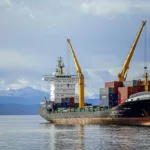
Tensions in the Persian Gulf reached a flashpoint this week as Iranian forces reportedly engaged U.S. Navy vessels following an alleged attempt by the American military to intercept an Iranian oil tanker. Tehran officials confirmed that their naval assets launched an operation against the U.S. ships, framing the move as a defensive response to what they described as an unlawful seizure attempt in international waters. The U.S. Department of Defense maintains that its forces were operating in accordance with maritime law and characterized the Iranian actions as an unprovoked escalation.
Context of Regional Instability
The Persian Gulf serves as one of the world’s most critical maritime corridors, with nearly 20% of global oil consumption passing through the Strait of Hormuz. For decades, this narrow waterway has been a theater for geopolitical posturing between Washington and Tehran. Recent months have seen a marked increase in maritime seizures, with the U.S. deploying additional assets to the region to bolster maritime security and deter Iranian interference with commercial shipping.
Details of the Engagement
Pentagon officials reported that the encounter began when U.S. naval assets identified an Iranian tanker suspected of violating international sanctions. According to U.S. Central Command, Iranian fast-attack craft approached the U.S. vessels in a threatening manner, leading to a brief but tense exchange of maneuvers. The U.S. military emphasized that its response was measured, intended to ensure the safety of its crew while avoiding a broader kinetic conflict.
Conversely, Iranian state media outlets claimed that the U.S. attempt to seize the tanker was an act of piracy. Iranian officials warned that any further attempts to interfere with their sovereign maritime operations would be met with a decisive and severe response. This rhetoric highlights the stark divergence in how both nations interpret international maritime law and their respective rights in the region.
Expert Perspectives
Maritime security analysts suggest that this confrontation is part of a broader strategy of ‘gray zone’ warfare. Dr. Elena Vance, a senior fellow at the Center for Maritime Security, noted that such incidents are carefully calibrated to signal resolve without triggering a full-scale war. ‘Both sides are currently operating within a threshold that avoids total conflict, but the room for miscalculation is growing every day,’ Vance stated.
Data from the International Maritime Bureau indicates that incidents of harassment in the Persian Gulf have risen by 15% over the last fiscal year. This upward trend underscores the fragility of the status quo and the increasing difficulty of maintaining freedom of navigation in the face of persistent regional rivalries.
Future Implications
The immediate concern for global markets is the potential for a sudden spike in oil prices should the maritime corridor face further disruptions. Industry analysts warn that if the frequency of these confrontations continues to escalate, shipping insurance premiums could see a significant increase, impacting the cost of goods globally.
Observers are now watching for signs of diplomatic de-escalation, though none have been immediately forthcoming from either capital. The coming weeks will likely see an increased U.S. naval presence in the region, while intelligence agencies monitor for potential retaliatory measures from Iranian-backed proxies. The primary question remains whether both nations can maintain their current policy of restraint or if a tactical error will push the region into a deeper, more dangerous conflict.