




A Standoff at Delaney Hall
Detained immigrants at the Delaney Hall detention center in Newark, New Jersey, entered the ninth day of a coordinated hunger and labor strike on Saturday, escalating a long-standing dispute over living conditions and access to medical care. The demonstration, which has drawn national attention, saw a sharp increase in volatility as right-wing counterprotesters arrived at the facility to express support for Immigration and Customs Enforcement (ICE).
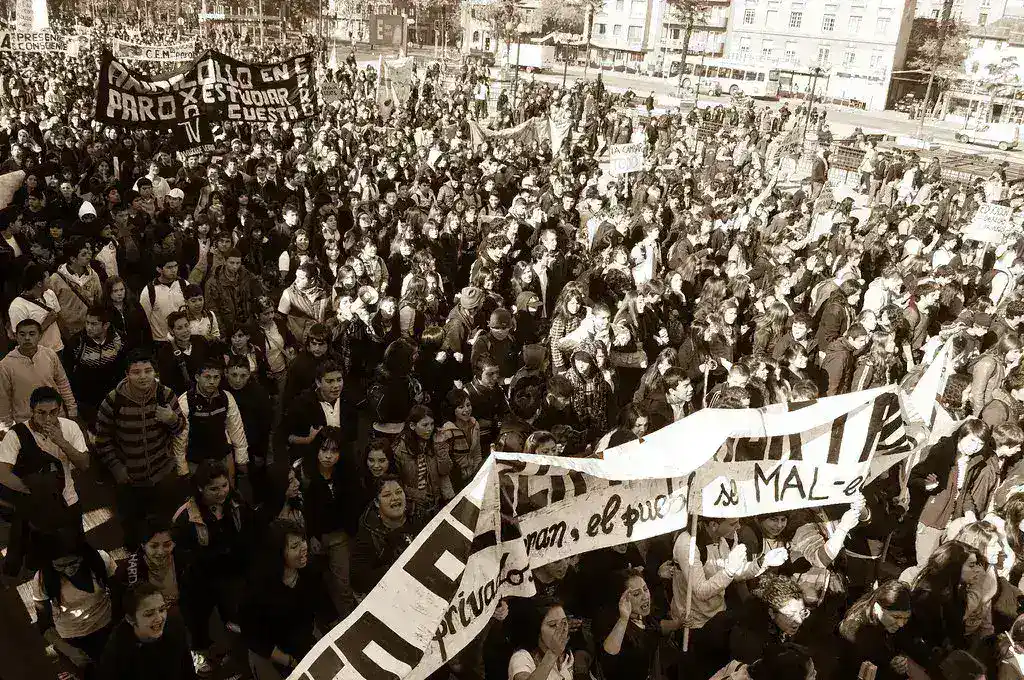
State police were forced to establish barricades to separate the opposing groups as tensions reached a breaking point. While the hunger strikers remain confined within the walls of the facility, activists supporting their cause gathered on the sidewalk, leading to a heated verbal exchange with individuals donning pro-Trump attire.
The Context of the Protest
Delaney Hall has become a flashpoint for immigration policy debates in the Northeast. Historically, the facility has faced scrutiny from advocacy groups regarding the standard of healthcare provided to detainees and the overall transparency of its operations.
The current strike was initiated by detainees who claim that the facility has failed to address persistent grievances regarding sanitation and basic human rights. These organized actions, often involving the refusal of work duties and the cessation of food consumption, serve as a desperate measure for individuals who lack traditional avenues for legal or administrative recourse.
Conflicting Visions for Immigration Enforcement
The arrival of counterprotesters on Saturday highlights the deep ideological polarization surrounding the role of ICE in the United States. Proponents of the agency argue that strict detention protocols are necessary to maintain national security and uphold immigration law.
Conversely, human rights organizations emphasize that detention centers are not punitive prisons for criminal sentencing, but rather administrative facilities. According to the American Civil Liberties Union (ACLU), the conditions in many private and state-run detention centers often fall below constitutional standards for health and safety.
Expert Perspectives and Data
Data from the Transactional Records Access Clearinghouse (TRAC) at Syracuse University indicates that the number of individuals held in ICE detention fluctuates significantly, but the underlying complaints regarding medical neglect remain a recurring theme across various facilities. Medical experts frequently cite that prolonged detention without adequate oversight can lead to severe mental and physical health deterioration.
Legal observers note that the strike represents a significant test of the facility’s management. If the facility is unable to de-escalate the situation, it faces potential federal intervention and increased pressure from state-level oversight committees.
Future Implications
The prolonged duration of this hunger strike signals a deepening resolve among the detainees, which may force local officials to reconsider their contracts with federal immigration authorities. Advocacy groups are currently calling for an independent investigation into the claims of medical negligence.
Observers should watch for potential legal challenges in the coming week, as well as whether other detention centers across the country adopt similar protest tactics. The outcome at Delaney Hall may serve as a bellwether for how local jurisdictions balance federal immigration mandates against the growing public demand for humanitarian reform.