





Military Confrontations in the Strait of Hormuz
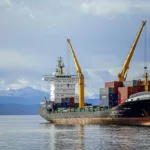
Tensions between the United States and Iran escalated significantly on Tuesday, June 2, as both nations exchanged missile and drone strikes, casting serious doubt on ongoing efforts to negotiate a new ceasefire agreement. The confrontation reached a critical point when US forces deployed a Hellfire missile to disable a tanker attempting to bypass the American-led maritime blockade in the Strait of Hormuz. Following the initial engagement, the Pentagon reported that US units successfully repelled subsequent reprisal attacks launched by Iranian forces, leading to retaliatory strikes against military infrastructure on Qeshm Island.
Context of the Maritime Blockade
The Strait of Hormuz serves as a vital global artery for oil transit, and the current blockade represents a strategic push by the United States to limit Iranian economic influence. Diplomatic channels had been attempting to establish a framework for de-escalation throughout the spring, but these efforts have been frequently undermined by recurring skirmishes in the Persian Gulf. The recent breakdown in communication highlights the fragility of the status quo as both nations assert control over international shipping lanes.
Tactical Developments and Regional Impact
Military analysts note that the use of precision-guided Hellfire missiles against commercial vessels marks a significant shift in the rules of engagement. By targeting the tanker, the US signaled a rigid enforcement of its blockade, effectively closing one of the few remaining avenues for Iranian exports. Iran’s swift response—involving drone strikes and coordinated naval maneuvers—demonstrates a readiness to challenge US regional dominance despite the risk of further escalation.
Expert Perspectives on Strategic Posture
Defense experts suggest that the current pattern of tit-for-tat strikes reflects a broader geopolitical struggle that transcends local maritime disputes. According to data from the Center for Strategic and International Studies, regional volatility in the Persian Gulf historically correlates with spikes in global energy prices and increased insurance premiums for maritime logistics. Analysts emphasize that as long as the diplomatic track remains frozen, the risk of a miscalculation leading to a larger regional conflict remains high.
Economic and Geopolitical Implications
For the global market, the instability in the Strait of Hormuz poses an immediate threat to energy security and supply chain continuity. Industry observers indicate that continued hostilities will likely result in increased volatility in oil markets as traders react to the threat of a prolonged closure of the shipping lane. For the Trump administration, the challenge lies in balancing a policy of ‘maximum pressure’ against the necessity of avoiding a full-scale military confrontation that could destabilize the region further.
Looking Ahead
Observers are closely monitoring whether the recent engagement leads to a formal diplomatic protest or a further hardening of military postures. All eyes are now on potential international mediation efforts to prevent the current skirmishes from devolving into a broader, sustained conflict. The coming days will be critical in determining if the current cycle of violence can be tempered or if regional actors will further intensify their operations in the Gulf.