




The Critical Arrival of the Southwest Monsoon
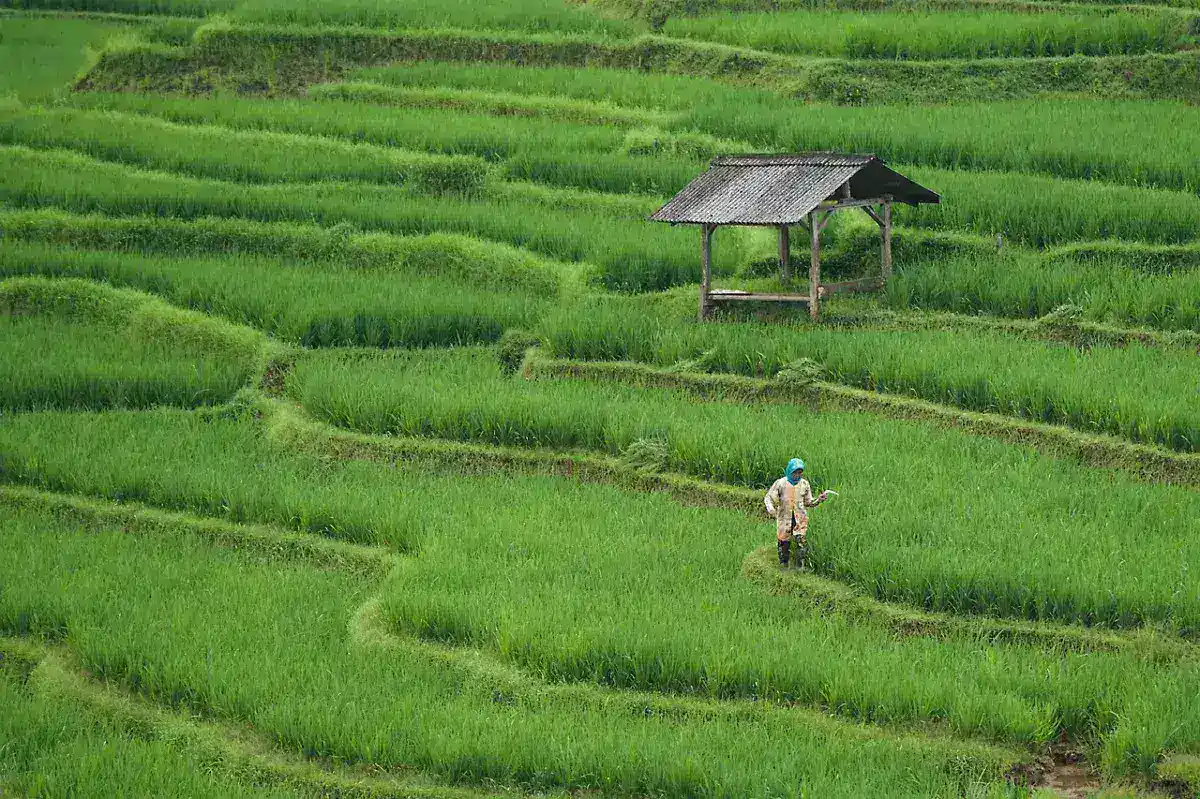
The arrival of the southwest monsoon over the coast of Kerala marks the official start of India’s four-month rainy season, serving as the primary driver for the nation’s agricultural economy and water security. Meteorologists typically track this onset in early June, as the moisture-laden winds move northward across the Indian subcontinent, providing the lifeblood for millions of farmers who depend on predictable rainfall for their kharif crops.
Understanding the Meteorological Mechanism
The monsoon is not a single weather event but a complex atmospheric phenomenon driven by the differential heating of land and sea. When the Indian landmass warms significantly during the summer months, it creates a low-pressure zone that draws moist air from the Indian Ocean, resulting in heavy precipitation.
Historically, the India Meteorological Department (IMD) defines the onset based on specific criteria involving rainfall consistency and wind patterns over a designated area in Kerala. This formal declaration serves as a psychological and economic signal for the entire country, triggering planting cycles for staples like rice, pulses, and oilseeds.
Economic Ripples and Food Security
Agriculture accounts for nearly 18% of India’s Gross Domestic Product (GDP) and employs roughly half of the country’s workforce. Because a large percentage of India’s net sown area remains rain-fed, the monsoon’s performance directly influences food inflation and overall economic growth.
According to data from the Reserve Bank of India, a normal monsoon year typically correlates with lower food inflation, while a deficient monsoon can lead to supply chain shocks and higher commodity prices. Analysts emphasize that the geographical distribution of the rain is as important as the total volume, as localized droughts can devastate specific regional economies even in years of average national rainfall.
The Role of Climate Variability
Modern climate patterns have introduced significant volatility into the onset timing. Researchers from the Indian Institute of Tropical Meteorology have noted that shifting sea surface temperatures in the Pacific and Indian Oceans, often linked to El Niño and La Niña events, frequently disrupt traditional monsoon timelines.
These fluctuations complicate long-term agricultural planning. Farmers are increasingly forced to adopt climate-resilient crops and improved irrigation techniques to mitigate the risks posed by delayed onsets or erratic distribution patterns. Experts argue that investment in satellite-based monitoring and localized weather forecasting is essential for minimizing the impact of these atmospheric shifts.
Implications for the Future
The reliance on the monsoon remains a defining characteristic of India’s socio-economic landscape. As global climate change continues to alter weather patterns, the predictability of the Kerala onset will likely decrease, requiring more robust policy interventions.
Looking ahead, stakeholders should monitor advancements in sub-seasonal forecasting models that aim to predict regional rainfall variations with greater precision. Furthermore, the expansion of micro-irrigation infrastructure will remain a critical defensive measure for the agricultural sector as it navigates a future of increasingly unpredictable precipitation cycles.