




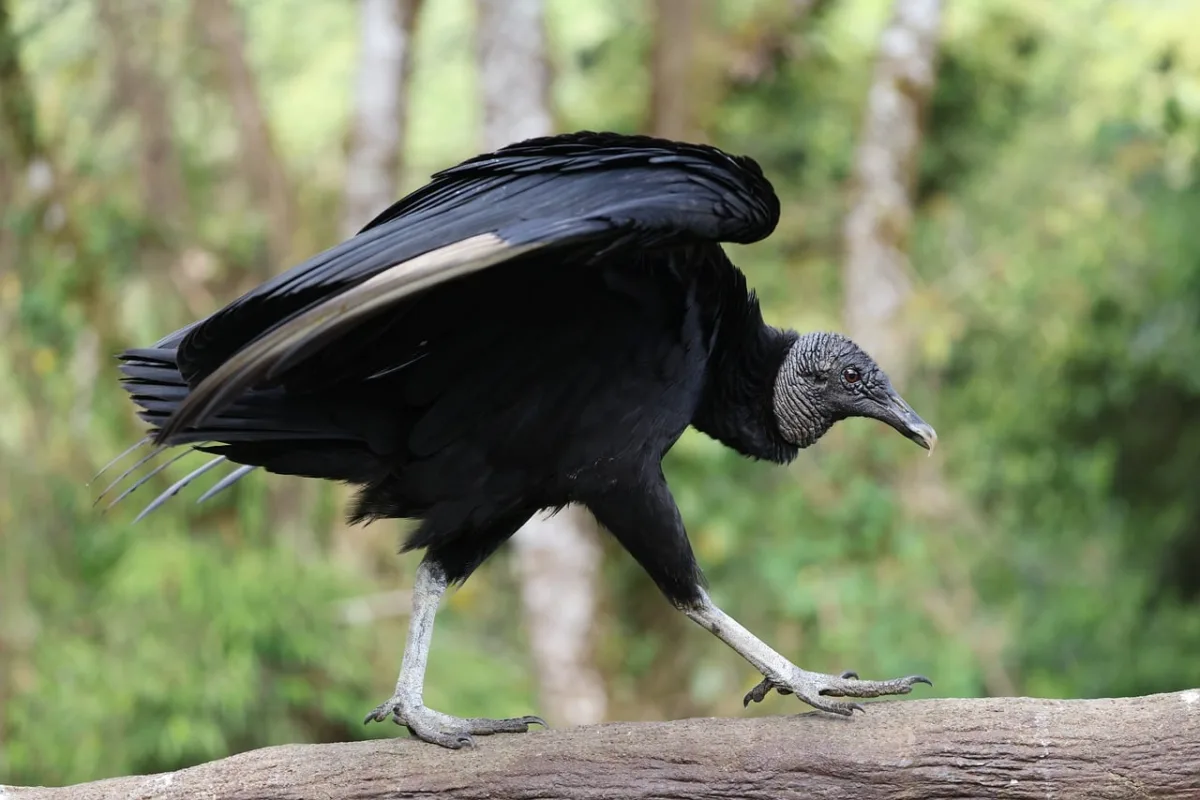
The Tripura state government, in collaboration with conservationists, announced plans this week to establish a specialized vulture colony within the state to protect and rehabilitate the region’s dwindling scavenger populations. This initiative, designed to provide a secure ecosystem with abundant food sources and nesting grounds, aims to reverse the ecological decline of these birds, which have faced severe threats across South Asia over the past two decades.
The Critical Need for Conservation
Vultures have historically served as nature’s primary sanitation workers, preventing the spread of diseases by consuming animal carcasses. However, populations across India plummeted by more than 90% in the late 1990s and early 2000s, primarily due to the widespread use of diclofenac, a veterinary painkiller that is toxic to the birds.
While the Indian government officially banned the use of diclofenac in veterinary medicine in 2006, recovery has been slow. Habitat loss, food scarcity, and secondary poisoning continue to pose significant hurdles for the remaining population. The Tripura project represents a strategic shift toward active, site-specific management rather than passive protection.
Developing a Sustainable Ecosystem
The proposed colony is designed to function as an ‘in-situ’ conservation center. Officials have confirmed that the site will feature managed feeding stations, known as ‘vulture restaurants,’ which provide clean, drug-free carrion. This ensures that the birds are not exposed to the toxic substances that triggered the initial mass mortality events.
Beyond food security, the project includes reforestation efforts and the protection of tall, indigenous trees that are essential for nesting. Wildlife biologists emphasize that vultures are social breeders, and clustering populations in protected zones enhances their reproductive success rates.
Expert Perspectives and Data
According to data from the Bombay Natural History Society (BNHS), the survival of these raptors is intrinsically linked to the health of the broader ecosystem. Experts note that when vulture populations collapse, the resulting accumulation of carcasses often leads to a rise in feral dog populations, which increases the risk of rabies and other zoonotic diseases in human settlements.