





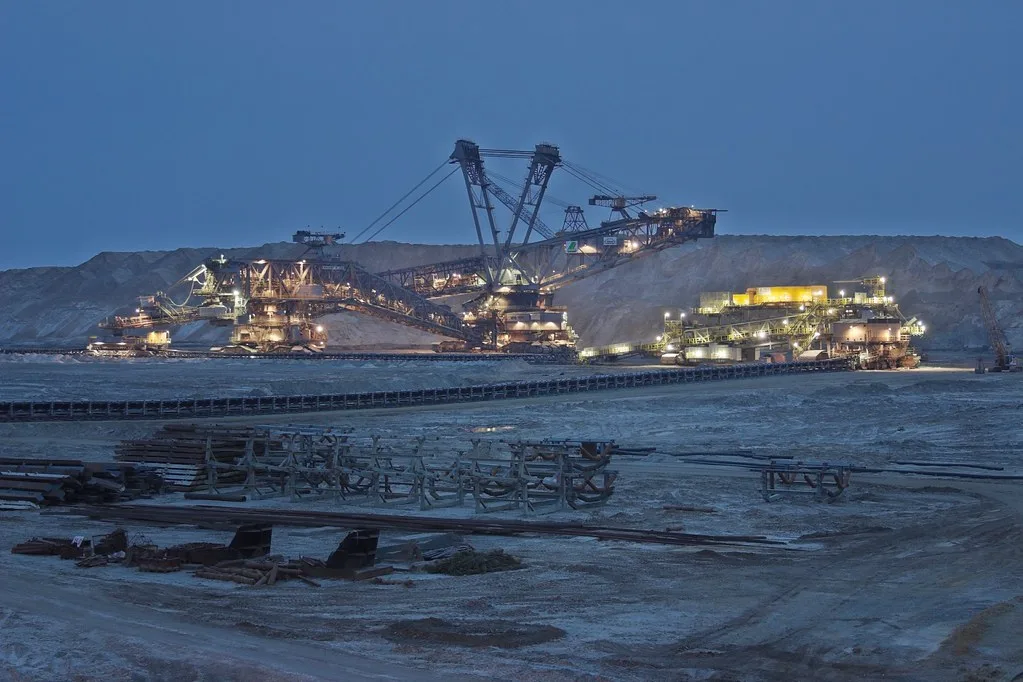
President Donald Trump announced today a $700 million federal funding initiative aimed at reinvigorating the domestic coal industry, which has faced a steady, decades-long decline in the United States. The funding, which will be distributed through various federal departments, is designed to support infrastructure modernization and research into cleaner coal technologies across major mining regions.
The Context of Industry Decline
The American coal industry has struggled for over two decades due to a combination of market forces, including the plummeting cost of natural gas and the rise of renewable energy sources. According to data from the U.S. Energy Information Administration (EIA), coal’s share of electricity generation has dropped from over 50% in the early 2000s to less than 20% in recent years.
This secular decline has led to widespread job losses in traditional coal-producing states such as West Virginia, Kentucky, and Wyoming. Previous administrations prioritized a transition toward a green energy economy, but this new funding marks a direct pivot toward protecting and potentially expanding the legacy fossil fuel sector.
Main Body: Strategy and Implementation
The $700 million allocation will be split between direct infrastructure grants and research and development initiatives focused on carbon capture, utilization, and storage (CCUS). By investing in CCUS technology, the administration aims to make coal-fired power plants more environmentally compliant, theoretically allowing them to remain operational under stricter emissions standards.
Industry analysts note that the funding is also targeted at diversifying local economies surrounding coal mines. By providing federal subsidies for regional development, the White House hopes to stabilize communities that are disproportionately dependent on coal mining for their tax base and employment.
Expert Perspectives and Economic Data
Economists remain divided on the long-term impact of this capital injection. While supporters argue that the funds will provide a vital lifeline to rural communities, critics suggest that the market shift toward natural gas and renewables is irreversible regardless of federal subsidies.
“The fundamental challenge for coal is not just regulatory, but competitive,” said Dr. Aris Thorne, a senior energy analyst. “Even with federal support, coal faces a difficult path to regaining market share when natural gas remains significantly cheaper and easier to transport.”