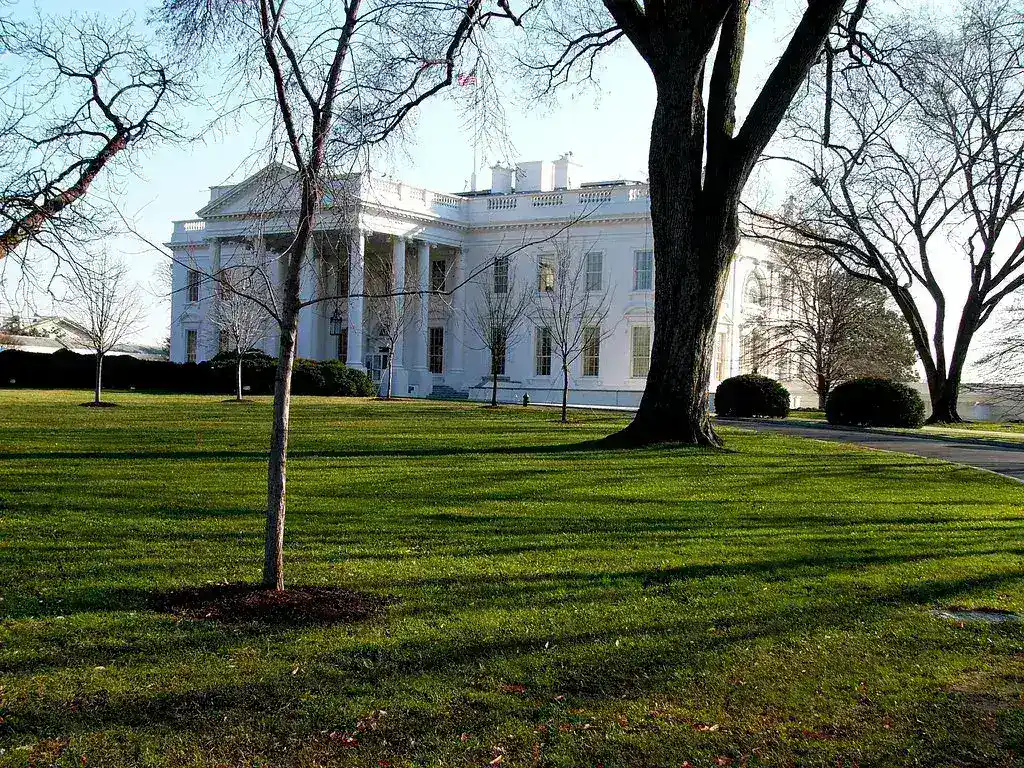



President Donald Trump convened a high-level meeting with his senior national security advisers at the White House this week to deliberate on a definitive policy shift regarding Iran. While the administration has signaled a potential opening for renewed negotiations, no final determination has been announced, leaving international observers and regional stakeholders in a state of heightened anticipation.
Secretary of Defense nominee Pete Hegseth has emerged as a central figure in these preliminary discussions. Sources familiar with the internal deliberations indicate that Hegseth is actively exploring pathways for diplomatic engagement, marking a potential shift from the “maximum pressure” tactics that defined previous iterations of U.S.-Iran policy.
The Context of U.S.-Iran Relations
The current diplomatic impasse follows years of volatile relations characterized by the U.S. withdrawal from the Joint Comprehensive Plan of Action (JCPOA) in 2018. Since that time, the imposition of rigorous economic sanctions and a series of regional escalations have strained the possibility of a return to the negotiating table.
Recent intelligence reports suggest that Iran has continued to expand its nuclear enrichment capabilities, a development that has moved the issue to the forefront of the administration’s foreign policy agenda. Policymakers are now weighing the efficacy of continued economic isolation against the potential benefits of a structured diplomatic dialogue aimed at regional stability.
Strategic Shifts and Diplomatic Maneuvering
The involvement of Hegseth represents a notable pivot in how the administration approaches the Iranian file. Unlike traditional career diplomats, Hegseth has advocated for a pragmatic approach that prioritizes American strategic interests while acknowledging the limitations of purely coercive measures.
Analysts note that any potential negotiation would likely require significant concessions from both sides. Tehran has consistently demanded the lifting of sanctions as a prerequisite for any meaningful discussion, while Washington remains focused on curbing Iran’s ballistic missile program and its influence through regional proxy networks.
Expert Analysis and Regional Implications
International relations experts suggest that the administration is operating under a compressed timeline. “The window for a negotiated settlement is narrowing as Iran approaches technical milestones in its nuclear program,” said Dr. Elena Rossi, a senior fellow at the Center for Global Strategy. “The administration is clearly testing the waters to see if a deal is even feasible before resorting to more drastic measures.”
Data from the International Atomic Energy Agency (IAEA) confirms that Iran’s stockpile of highly enriched uranium has reached levels that have caused alarm among Western intelligence agencies. This technical reality is driving the urgency behind the White House’s recent consultations.
The Road Ahead
The immediate focus for observers will be the formal announcement of the administration’s Iran policy, which is expected to clarify whether the U.S. will pursue a path of limited engagement or intensified pressure. Industry analysts suggest that any shift in policy will have immediate impacts on global energy markets, as Iranian oil exports remain a critical variable in price volatility.
Moving forward, the diplomatic community will watch for secondary signals from the White House, particularly regarding potential back-channel communications with regional intermediaries. Whether these discussions evolve into a formal peace framework or result in a further breakdown of diplomatic ties remains the central question for the coming months.