





Tensions Escalate at Sea
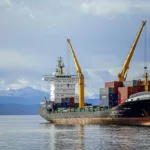
U.S. naval forces disabled two Iranian oil tankers in the Persian Gulf on Friday, marking a significant escalation despite an officially active ceasefire between Washington and Tehran. The military operation, which left both vessels immobilized, was conducted by U.S. forces who accused the tankers of attempting to breach the long-standing international blockade on Iranian energy exports.
This confrontation occurs at a delicate juncture in Middle Eastern diplomacy, where regional powers have struggled to maintain a fragile truce. While the ceasefire remains technically in place, the kinetic action on Friday underscores the volatility of maritime transit routes in the Strait of Hormuz.
The Context of the Blockade
The U.S. blockade on Iranian oil is a cornerstone of Washington’s strategy to restrict Tehran’s revenue streams, which the U.S. government claims are used to fund regional proxy groups. Iran has consistently rejected the legality of these sanctions, arguing that they constitute an act of economic warfare against the Iranian population.
Historically, the Persian Gulf has served as a primary theater for these geopolitical frictions. Previous encounters have ranged from the seizure of commercial vessels to drone strikes on tankers, forcing the international shipping community to navigate an increasingly militarized corridor.
Military and Strategic Implications
Pentagon officials stated that the tankers were targeted after ignoring multiple warnings to alter their course and cease their attempts to bypass the blockade. By disabling the vessels rather than destroying them, the U.S. military appears to be signaling a desire to enforce policy while avoiding a full-scale kinetic war.
Analysts point to the difficulty of managing a ceasefire when enforcement mechanisms directly clash with state interests.