



A Troubling Sequence of Flight Disruptions
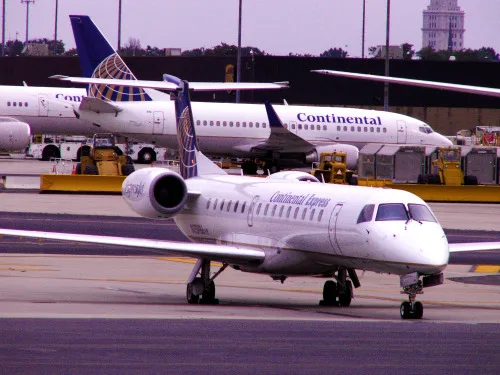
A United Airlines flight en route from Newark Liberty International Airport to Spain was forced to return to its point of origin on Saturday after authorities received reports of a potential security threat involving a Bluetooth device. The incident occurred just one day after a separate United Airlines flight, traveling from Chicago to Minneapolis, was diverted to Madison, Wisconsin, following a reported attempt by an unruly passenger to breach the cockpit.
The Newark-based flight returned to the terminal as a precautionary measure, where law enforcement officials conducted a thorough inspection of the aircraft. According to preliminary reports, the security concern stemmed from a Bluetooth device transmitting a signal identified by a specific, offensive four-letter word, which triggered immediate safety protocols.
The Context of Modern Aviation Security
The aviation industry has seen a marked increase in reported security incidents and unruly passenger behavior since the onset of the COVID-19 pandemic. Data from the Federal Aviation Administration (FAA) shows that while reports of unruly passengers have fluctuated, the baseline for disruptive behavior remains significantly higher than pre-2020 levels.
These incidents highlight the complex challenge airlines face in balancing passenger convenience with the imperative of onboard security. Modern aircraft are increasingly reliant on wireless connectivity, creating a broader surface area for potential electronic interference or malicious digital activity that crews must now monitor alongside traditional physical threats.
Operational and Safety Implications
Aviation security experts suggest that these back-to-back incidents underscore the rigorous nature of modern pilot training and emergency response procedures. When a pilot or crew member identifies a potential threat—whether digital or physical—the standard operating procedure mandates an immediate diversion or return to ensure the safety of the cabin and the integrity of the flight path.
The economic impact of such diversions is substantial, involving not only the cost of fuel and ground handling but also the logistical challenges of rebooking hundreds of passengers. However, industry analysts emphasize that these costs are viewed as secondary to the primary directive of preventing potential in-flight escalations.
What to Watch Next
Federal authorities are expected to continue their investigations into the specific origins of the Bluetooth signal in the Newark incident and the motivations behind the cockpit breach attempt in Wisconsin. Industry observers will be watching to see if the Transportation Security Administration (TSA) or the FAA implements new guidelines regarding the use of personal electronic devices or passenger conduct protocols.
As technology continues to integrate into the passenger experience, the industry faces an ongoing race to harden cabin networks against potential disruptions. Stakeholders are closely monitoring whether these incidents will lead to increased federal oversight on the types of wireless signals allowed within the cabin environment during flight.